HC | CLASSICS
Most cafe owners choose a premix the same way. They compare the price per kilo, then taste a sample.
Both steps are fine. Both are in the wrong order, and the first one uses the wrong number.
A premix is not sold by the cup, but you sell it by the cup. So convert first.
Divide the pack price by the number of cups it makes at the recipe on the label. Then add milk, cup and your share of delivery.
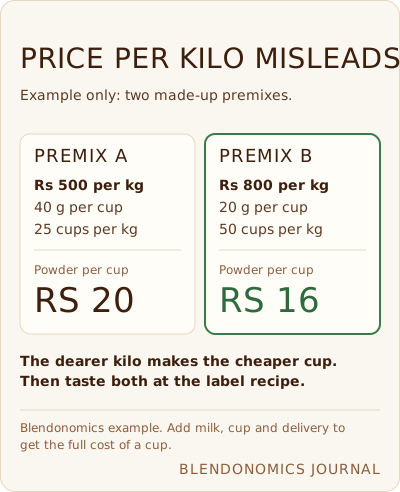
The cheaper kilo can be the dearer cup. And the cheaper cup can be the dearer choice, if it tastes thin and nobody orders it twice.
You do not sell kilos. You sell cups.
Ask every supplier the same eight. Including us.
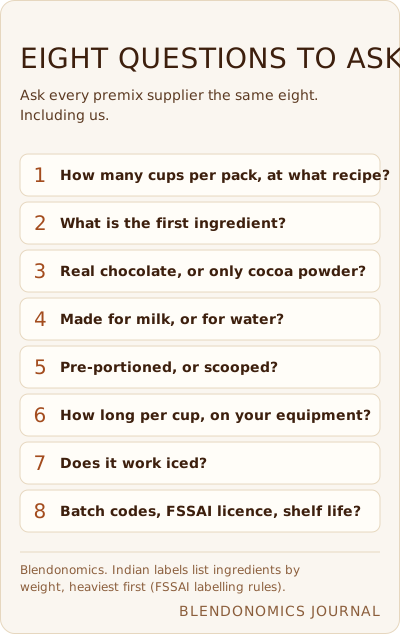
1. How many cups per pack, at what recipe? Ask for grams per cup and millilitres of milk. Without both, the price means nothing.
2. What is the first ingredient? By law, Indian labels list ingredients in descending order of weight. If sugar is first, you are mostly buying sugar.
3. Is there real chocolate, or only cocoa powder? Cocoa powder gives flavour. Chocolate gives body.
4. Is it made with milk or with water? Water-based mixes carry milk solids or whitener to make up for it. Know which you are paying for.
5. Is it pre-portioned or scooped? Portions keep the cup the same across staff and make stock easy to count.
6. How long does one cup take, on your equipment? Ask them to show you, on your hob or steam wand.
7. Does it work iced? Half the year is hot. A premix that only works hot is a winter product.
8. Batch codes, FSSAI licence, shelf life once opened? You need to trace a bad batch back. So do they.
Read the label before you taste anything.
Watch the chocolate wording. In India, a product can only be called chocolate if fat other than cocoa butter is 5 percent or less, and it must declare that fat on the label. Chips or coatings made with more vegetable fat are compound chocolate. Compound melts easily and costs less. It is not the same thing as couverture.
Neither is wrong for a cafe drink. You just need to know which one you are buying, and what you are paying for it.
Taste samples under service conditions, not on a quiet afternoon.
1. Same milk, same cup, same staff member for every sample.
2. Make it at the recipe on the pack, not your own.
3. Time each one from milk in the pan to cup on the counter.
4. Taste it after two minutes, not straight away. Thin cups get thinner as they cool.
You can put it through the steam wand. We do not recommend it.
Our premix has dark chocolate chips and maize starch. Both need more heat than a wand gives. Milk off a wand stops at about 60 to 65 degrees C, so the chips melt only in part and the cup comes out thin. It is a sub-standard cup.
Powder in the jug can also block the wand tip. Trade suppliers say the same: the wand is for milk only. That can damage the machine, and a blocked wand stops your coffee drinks too.
What works is a pan. Heat the milk to a slight boil, add one sachet, and whisk until no chips remain. That takes up to 2 minutes, with the milk measured first. Your coffee machine keeps making coffee while the pan makes the hot chocolate.
The Classic Dark hot chocolate recipe has the full method.
Once you know the cost per cup, check it against the price you can charge. If the full cost of a cup is more than about 40 to 45 percent of the menu price, the drink will not hold your staff's attention for long.
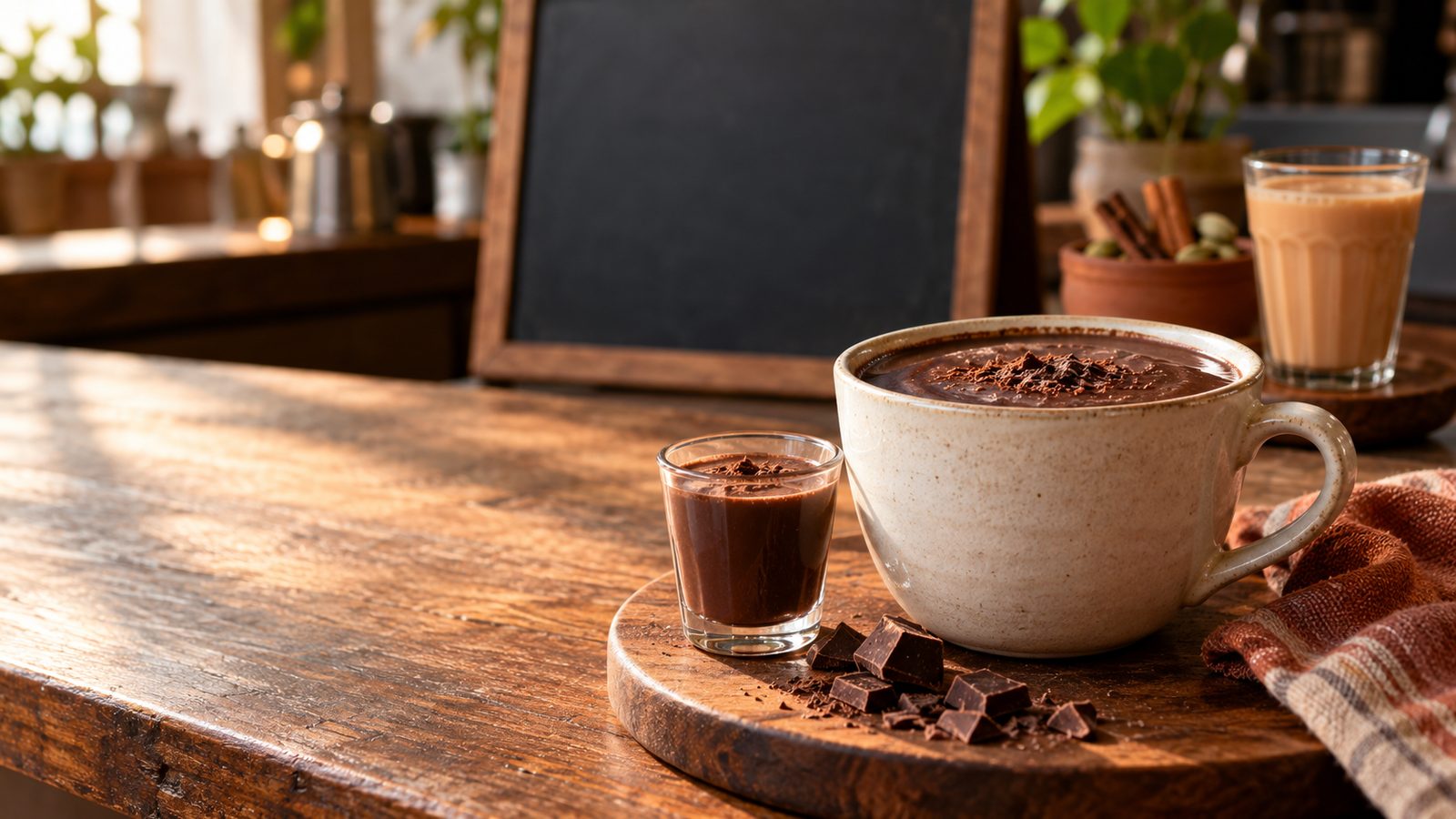 Next step: pricingWhy Your New Menu Item Flops Before Anyone Tastes It9 min read →
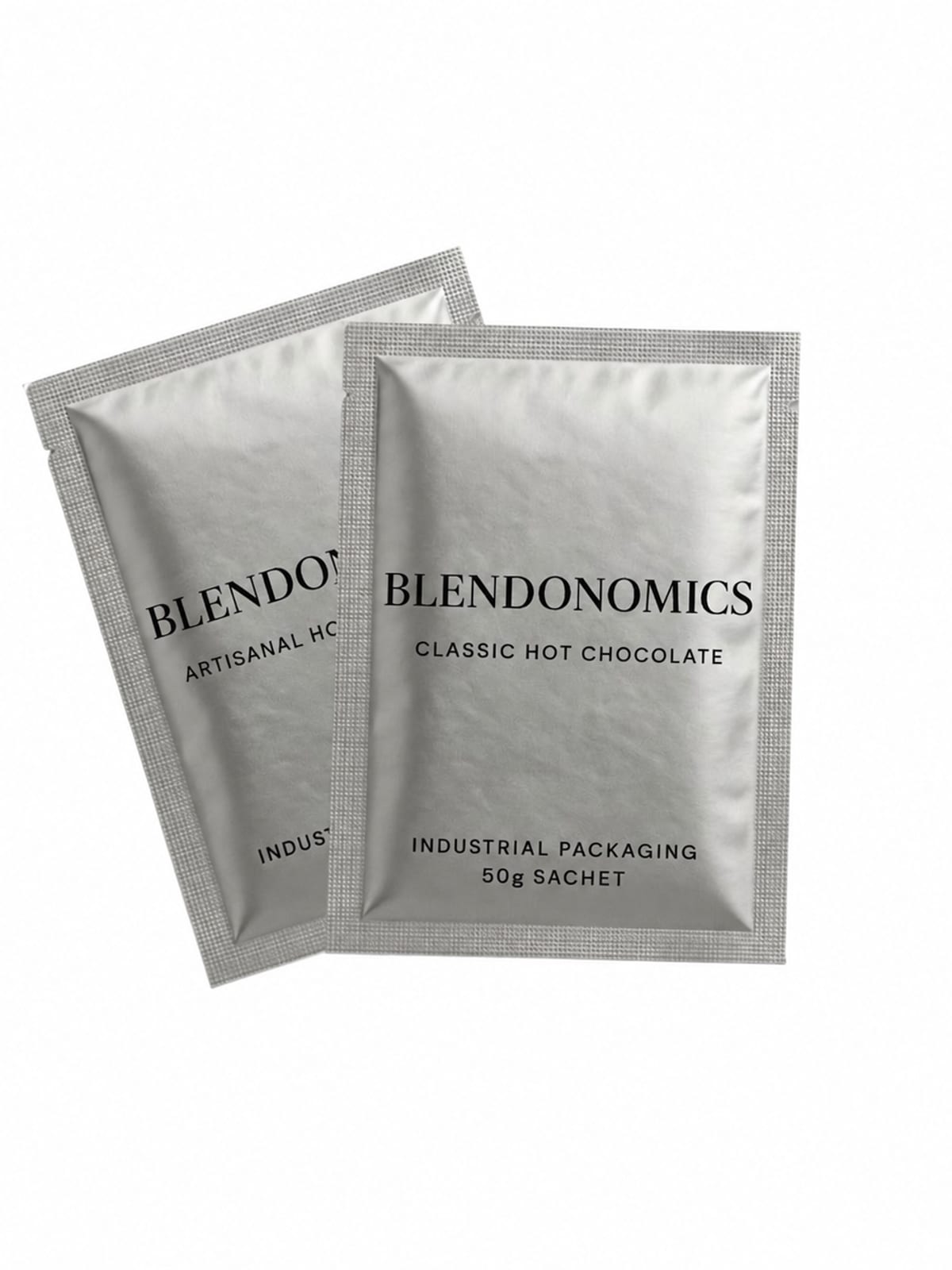 Hot chocolateClassic DarkThe Foundational Gold StandardView product →Sample kitClassic Flavours SamplerClassic Dark / Hazelnut / Irish / Orange / StrawberryView product →
Supplying a cafe? Request a sample kit →
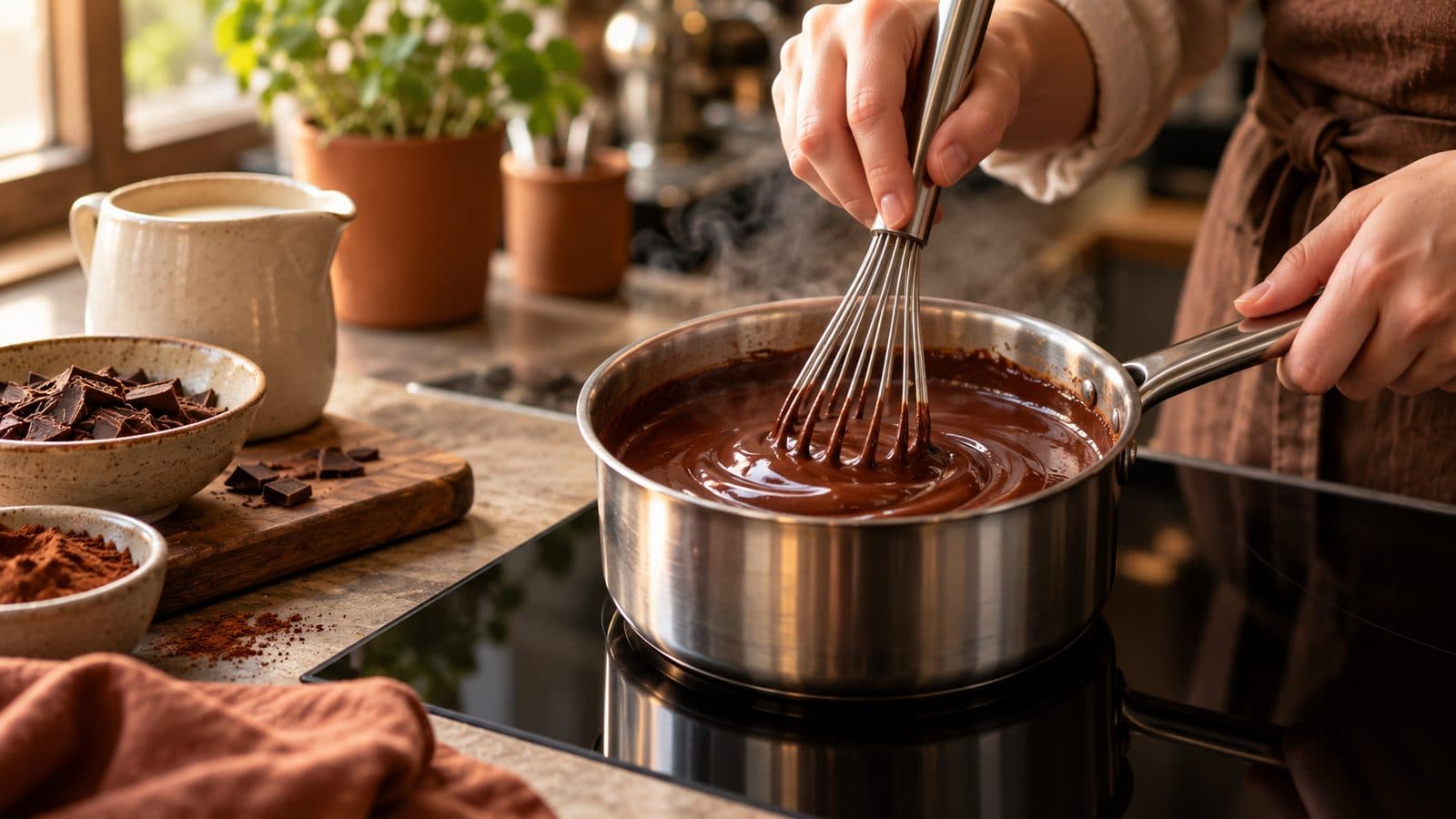
How do cafes make hot chocolate? Four methods and what each does to the cup, plus the pan method we use for a thick cup in up to 2 minutes.
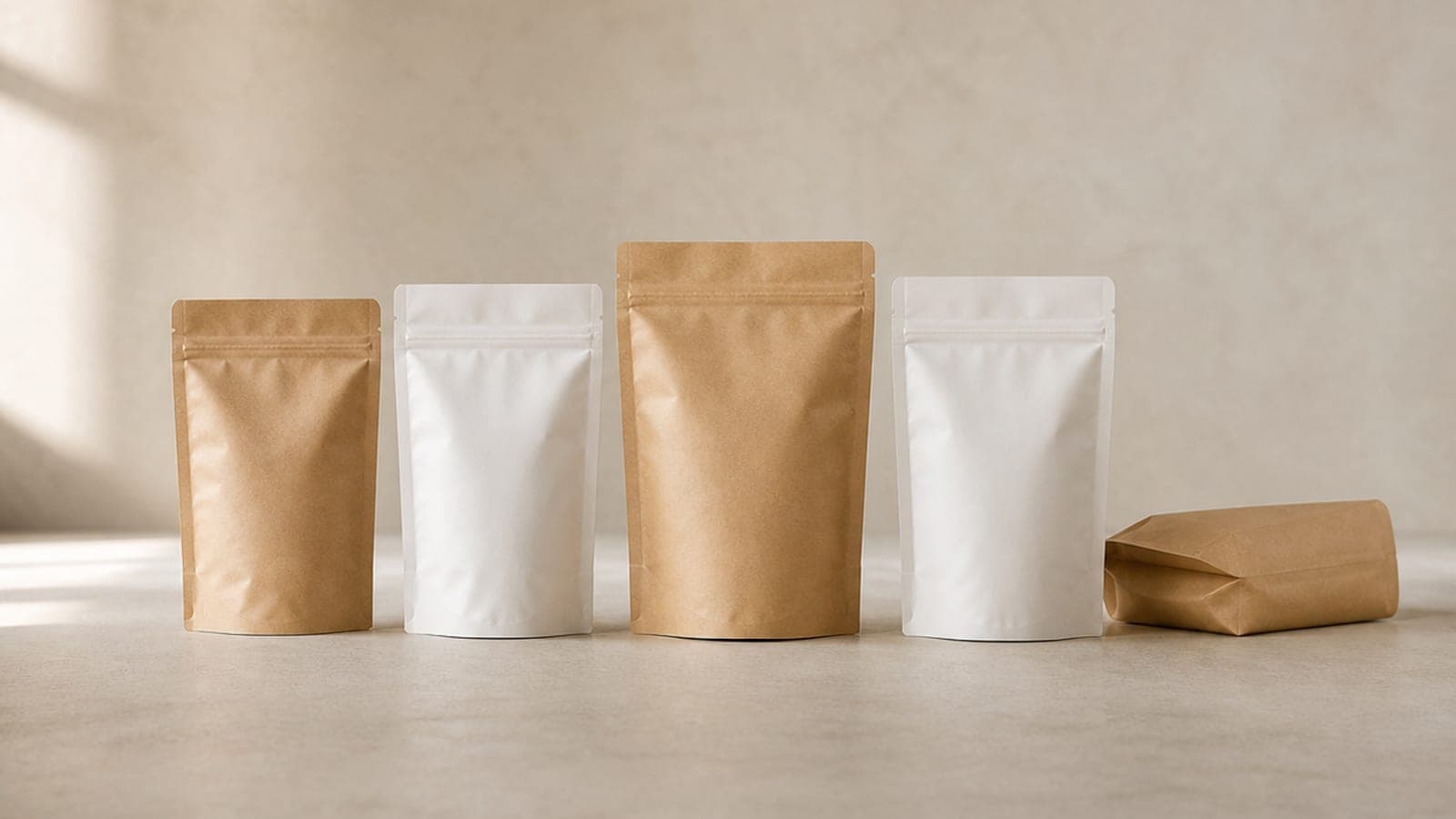
The economics of branding your own mix. A realistic breakdown.
Sailing ships changed the beans. Steamships stopped it. The Malabar coast recreated it on land. The story, the process, the GI tag, and what is legend.