HC | CLASSICS
Cafe mocha vs hot chocolate vs cappuccino: most cafe menus in India carry all three, and most price them by habit. This article compares them the way a cafe owner should, by cost per cup, price and who orders each one.
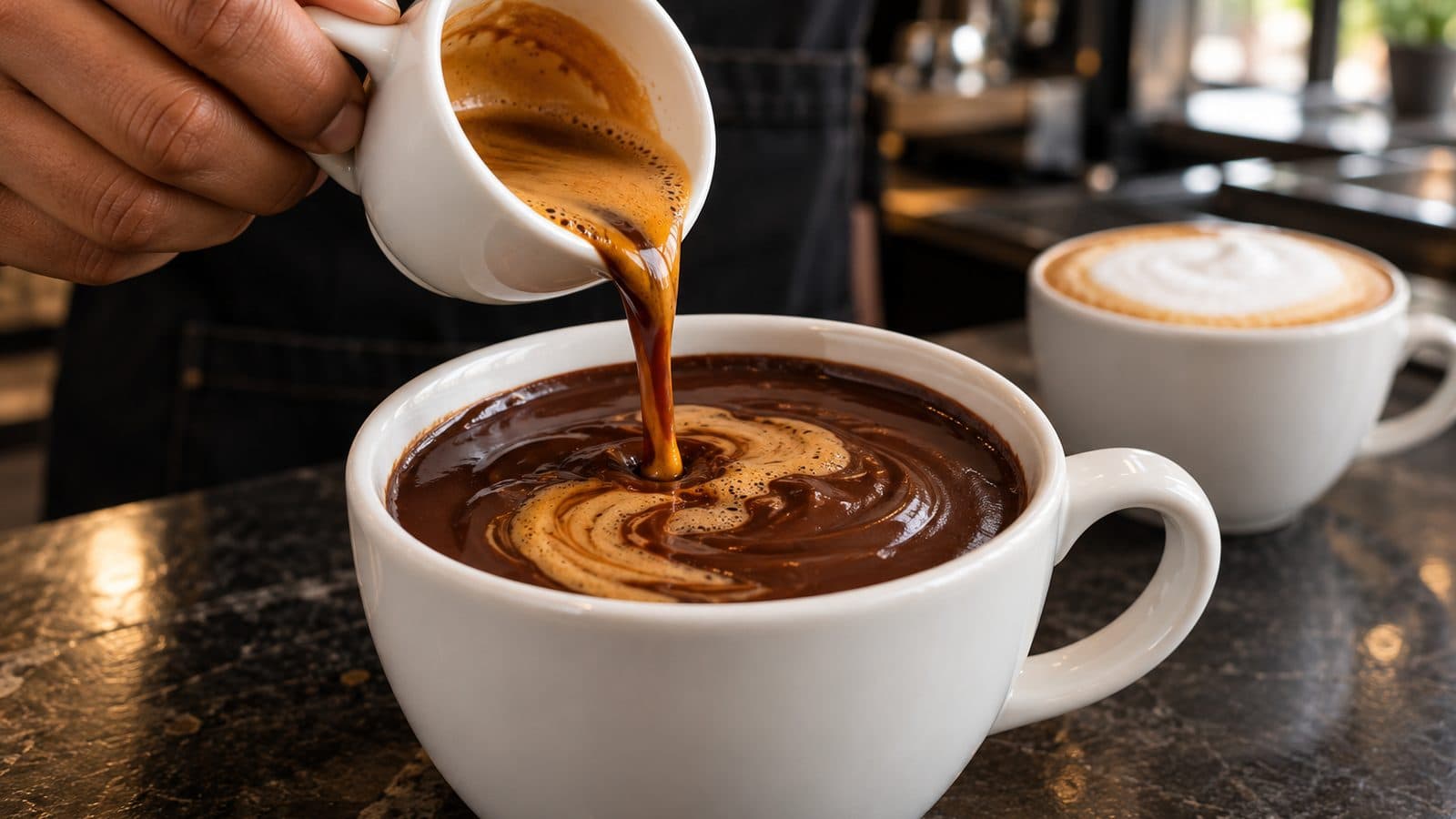
It also answers a common question: which chocolate sauce to buy for a mocha. If you already sell a thick hot chocolate, you may not need a sauce at all. One portion of thick hot chocolate and a double espresso make a mocha.
1. Cappuccino. Espresso with steamed milk and a thick layer of foam, the standard coffee shop definition. No chocolate.
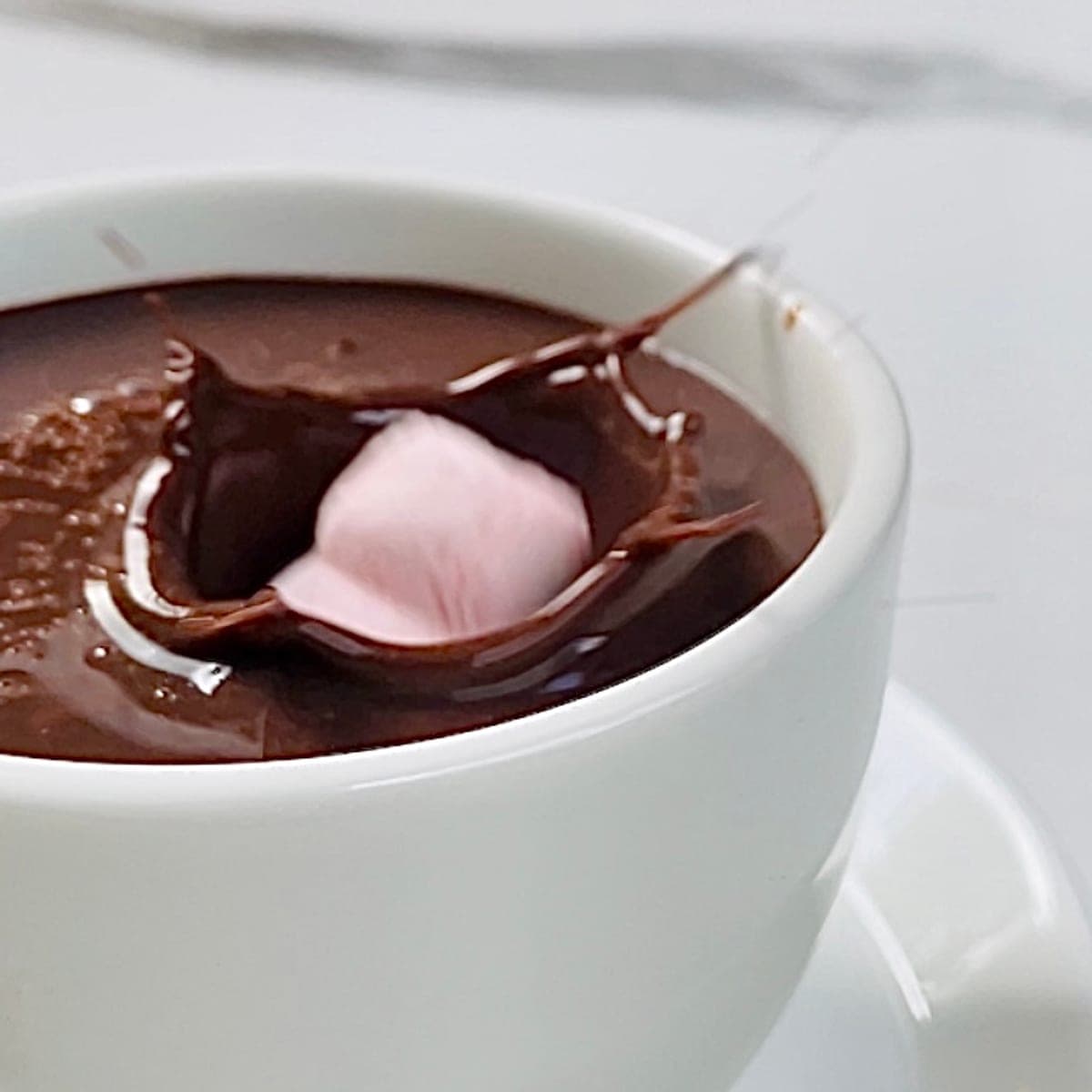
2. Hot chocolate. Chocolate or cocoa, sugar and hot milk. No coffee. Our article on how cafes make it covers the methods.
3. Cafe mocha. Espresso, chocolate and steamed milk. It is a cappuccino or latte with chocolate added. The chocolate can be a syrup, cocoa powder or melted chocolate, and recipes vary widely. One common split is about one third espresso to two thirds milk.
 How hot chocolate is madeHow Cafes Make Hot Chocolate, and Why Most Cups Taste Thin5 min read →
We checked two chains that list all three drinks on public menus in 2026. Prices change by city and outlet, so read them as a pattern, not exact figures.
1. Barista: cappuccino Rs 170 to 220, hot chocolate Rs 215 to 280, cafe mocha Rs 235 to 285, across three sizes.
2. Blue Tokai: cappuccino Rs 240, hot chocolate Rs 280, mocha Rs 290, before tax.
At both chains, the cappuccino is the cheapest of the three. At these two chains the hot chocolate costs Rs 40 to 60 more. Third Wave Coffee prices the two nearly level. The mocha costs the most, Rs 50 to 65 above the cappuccino.
Chains price chocolate drinks above the cappuccino. Your menu can too.
Here is our arithmetic for one regular cup. Milk is at Rs 70 a litre, the Amul Gold price since May 2026. Coffee is 18 g for a double shot, at our 80/20 and Vienna list prices of Rs 1,300 to 1,550 a kg. A cup and lid is Rs 8 to 15. Use your own numbers. The method is the point.
1. Cappuccino: coffee Rs 23 to 28, milk 150 ml Rs 11, cup Rs 8 to 15. About Rs 42 to 53.
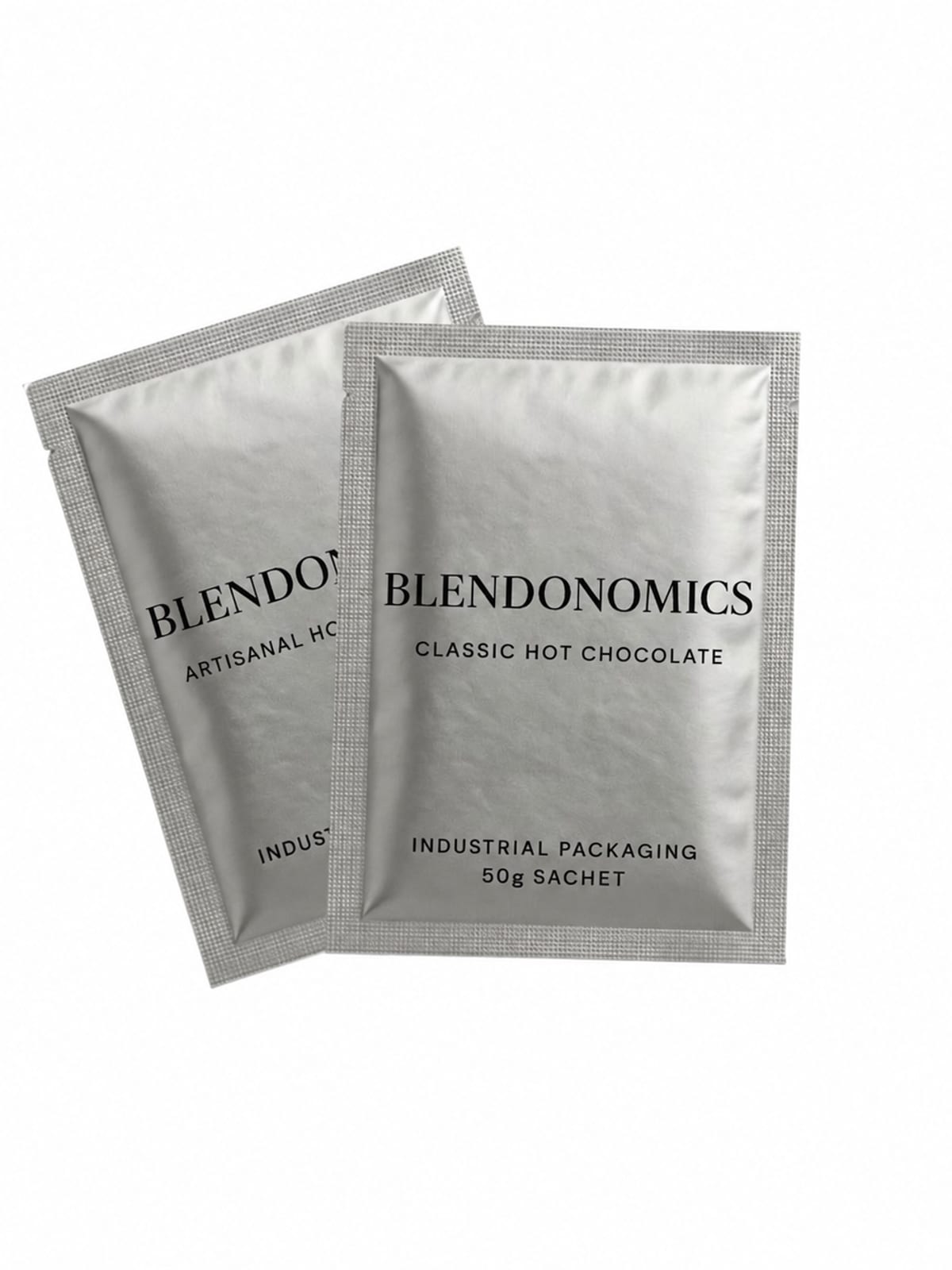
2. Hot chocolate: one 50 g sachet, milk and cup. About Rs 60 to 88, as worked out in our pricing article.
3. Mocha made with a sachet: one sachet Rs 40 to 60, coffee Rs 23 to 28, milk 150 ml Rs 11, cup Rs 8 to 15. About Rs 82 to 114.
The cappuccino is the cheapest to make by a wide margin. The mocha is the dearest, because it carries both the chocolate and the coffee.
 Hot chocolate pricingWhat Indian Cafes Charge for Hot Chocolate, and What You Keep at Each Price5 min read →
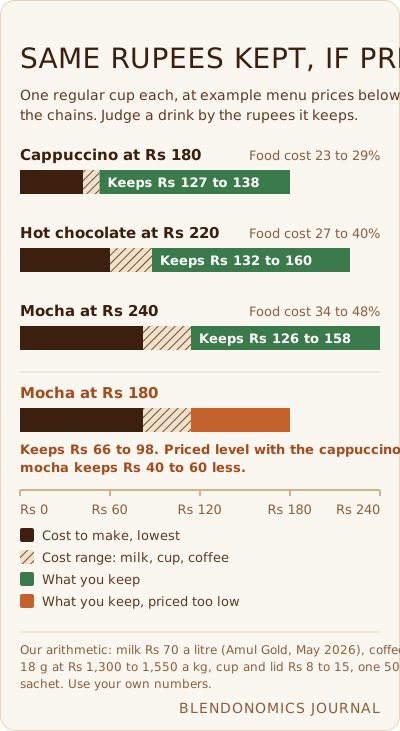
Take a small cafe menu with the cappuccino at Rs 180, the hot chocolate at Rs 220 and the mocha at Rs 240. These are example prices, below the chains.
1. Cappuccino at Rs 180: you keep Rs 127 to 138. Food cost is 23 to 29 percent.
2. Hot chocolate at Rs 220: you keep Rs 132 to 160. Food cost is 27 to 40 percent.
3. Mocha at Rs 240: you keep Rs 126 to 158. Food cost is 34 to 48 percent.
This is the lesson. The cappuccino wins on percentage. But all three keep about the same rupees per cup, if the chocolate drinks are priced above the cappuccino. Price the mocha at the same Rs 180 as the cappuccino and it keeps only Rs 66 to 98, which is Rs 40 to 60 less than the cappuccino.
You pay rent and wages in rupees, not in percentages. So judge each drink by the rupees it keeps, and price the chocolate drinks Rs 40 to 60 above your cappuccino, as the chains do.
 Pricing a new menu itemWhy Your New Menu Item Flops Before Anyone Tastes It9 min read →
This section is our observation from the cafes we supply, not survey data.
1. Cappuccino: regular coffee drinkers, mostly in the morning and after meals. They order it by habit.
2. Hot chocolate: people who do not drink coffee, children and families, and evening customers. A 30 ml espresso shot has about 63 mg of caffeine. A large chain hot chocolate has about 25 mg. We think that gap is one reason hot chocolate sells late in the day.
3. Mocha: the bridge. Coffee drinkers who want something sweeter, and hot chocolate drinkers who want some coffee. It sells to both groups, which makes it a useful third option on a short menu.
In our view, hot chocolate does not compete with your coffee. It catches the customers coffee misses: the non coffee drinker in a group, the child, the 8 pm order. A menu with only coffee loses those orders to the cafe next door.
Place the hot chocolate next to the cappuccino on the board, at a slightly higher price. In our experience, customers then read it as a treat, not as a cheaper drink.
Most cafes that sell a mocha buy a separate chocolate sauce or syrup. That is one more bottle to buy, store, pump and count.
If you already sell a thick hot chocolate, you have the base for a mocha. A thick hot chocolate made with chocolate chips is close to a ganache. It mixes into espresso the same way a sauce does. This is our judgement from making both.
If you do buy a sauce, read the label first. Indian food labels list ingredients in descending order of weight. If sugar or glucose syrup comes first, you are mostly buying sweetener. Look for cocoa or chocolate near the top.
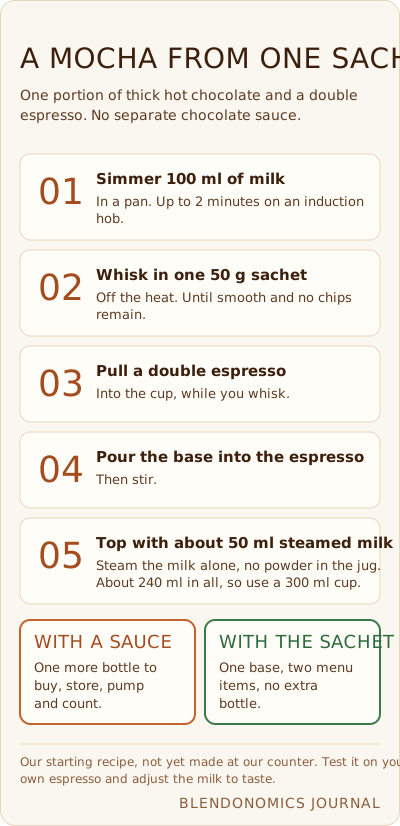
This is our starting recipe, not yet made at our counter. Test it on your own espresso and adjust the milk to taste.
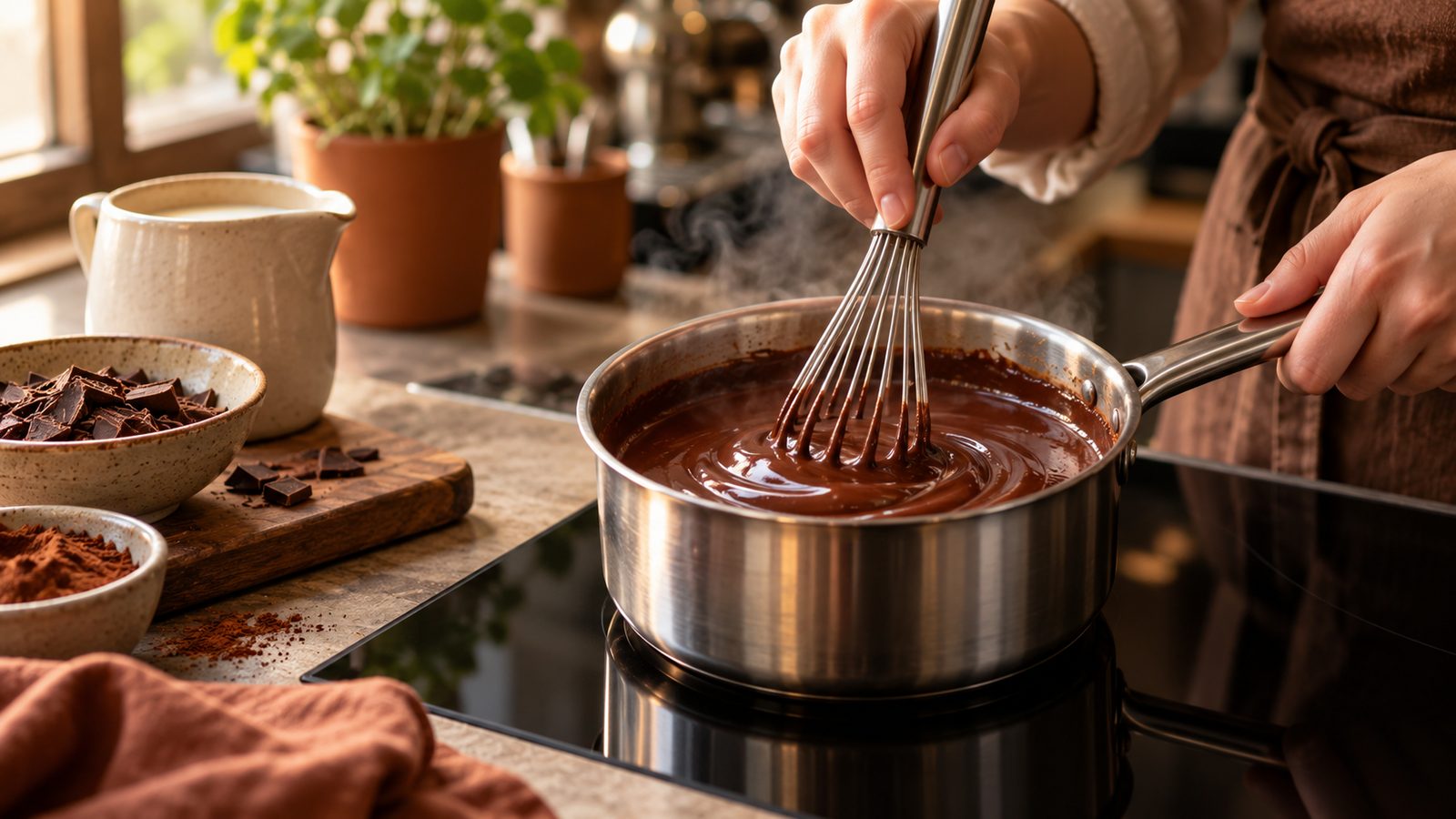
1. In a pan, bring 100 ml of milk to a gentle simmer. The pan step takes up to 2 minutes on an induction hob.
2. Take it off the heat, add one 50 g sachet, and whisk until smooth and no chips remain.
3. While you whisk, pull a double espresso shot into the cup.
4. Pour the chocolate base into the espresso and stir.
5. Top with about 50 ml of steamed milk from the wand. Steam the milk alone, with no powder in the jug. The cup holds about 240 ml, so use a 300 ml cup.
You stock one product for two drinks. Every mocha uses the same portion as every hot chocolate, so the cup is the same whoever makes it.
If you already have a bottle of mocha sauce, use it up first, then switch.
One base, two menu items, no extra bottle.
A cafe mocha has espresso in it. Hot chocolate has no coffee. A mocha is espresso, chocolate and steamed milk, so it tastes of both and has the caffeine of the espresso shot. Hot chocolate is chocolate or cocoa in hot milk, with only a small amount of caffeine from the cocoa.
A cappuccino has the lowest food cost percentage, often under 30 percent. A hot chocolate costs more to make, and sells for Rs 40 to 60 more at Barista and Blue Tokai. Priced that way, both keep about the same rupees per cup. Priced at the same level, the cappuccino keeps more.
Not if you already make a thick hot chocolate. Whisk one portion of hot chocolate into a small amount of hot milk, pour it into a double espresso and top with steamed milk. Every mocha then gets the same portion of chocolate as every hot chocolate.
A little. Cocoa contains some caffeine, but far less than coffee. Healthline puts a 16 oz chain hot chocolate at about 25 mg and a packet hot cocoa at about 5 mg. One espresso shot has about 63 mg. So, in our view, hot chocolate suits evening customers and children better than a coffee drink.
At Barista and Blue Tokai, the mocha costs Rs 50 to 65 more than the cappuccino in 2026. A mocha made with a full hot chocolate portion costs you about Rs 40 to 60 more to make. Price it at least that much higher, or the mocha keeps less than your cappuccino.
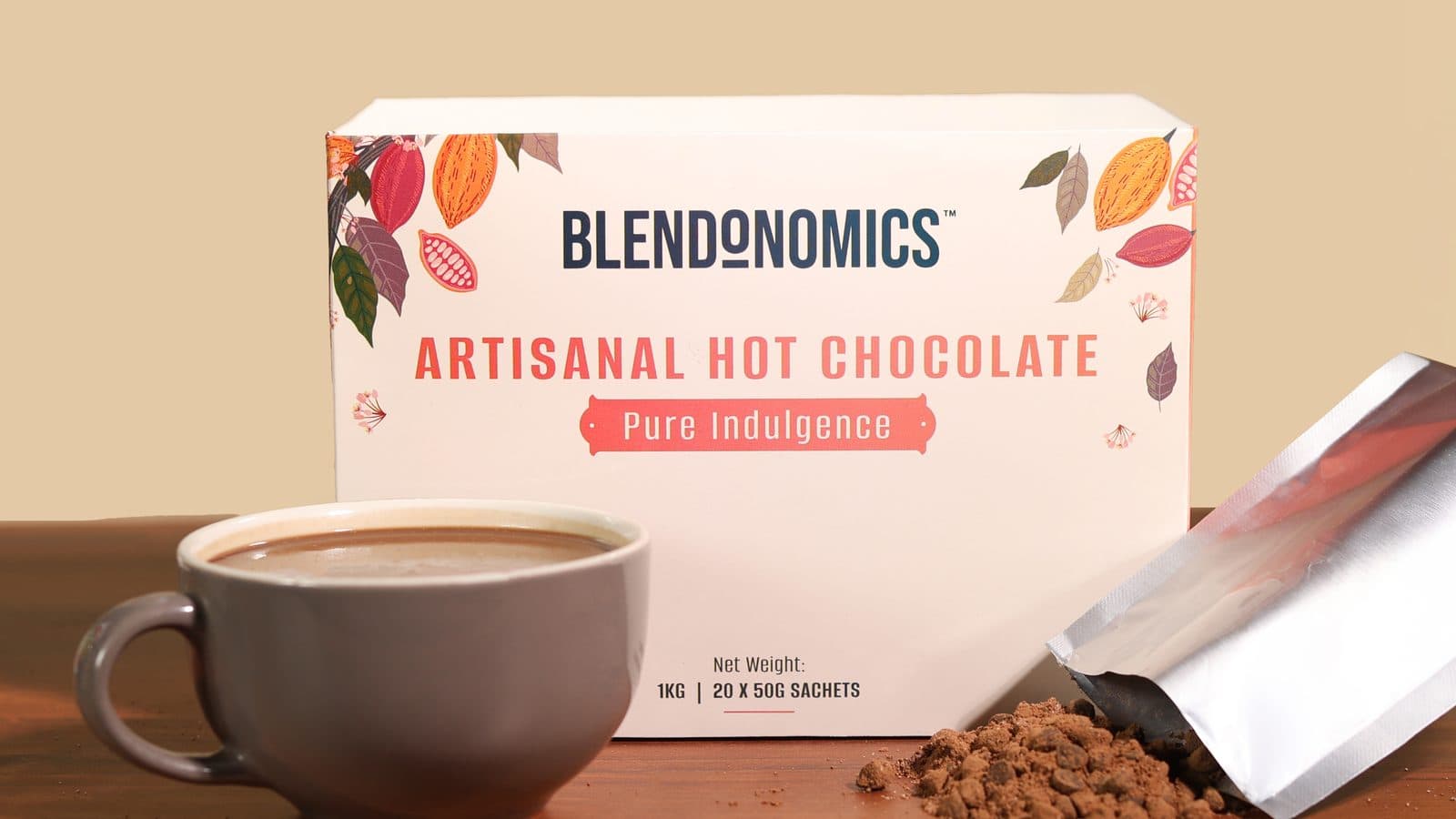
Chains charge Rs 190 to Rs 395 a cup. Here is what a 50 g cup costs you, and what you keep at Rs 99, Rs 149, Rs 199, Rs 249 and Rs 299.
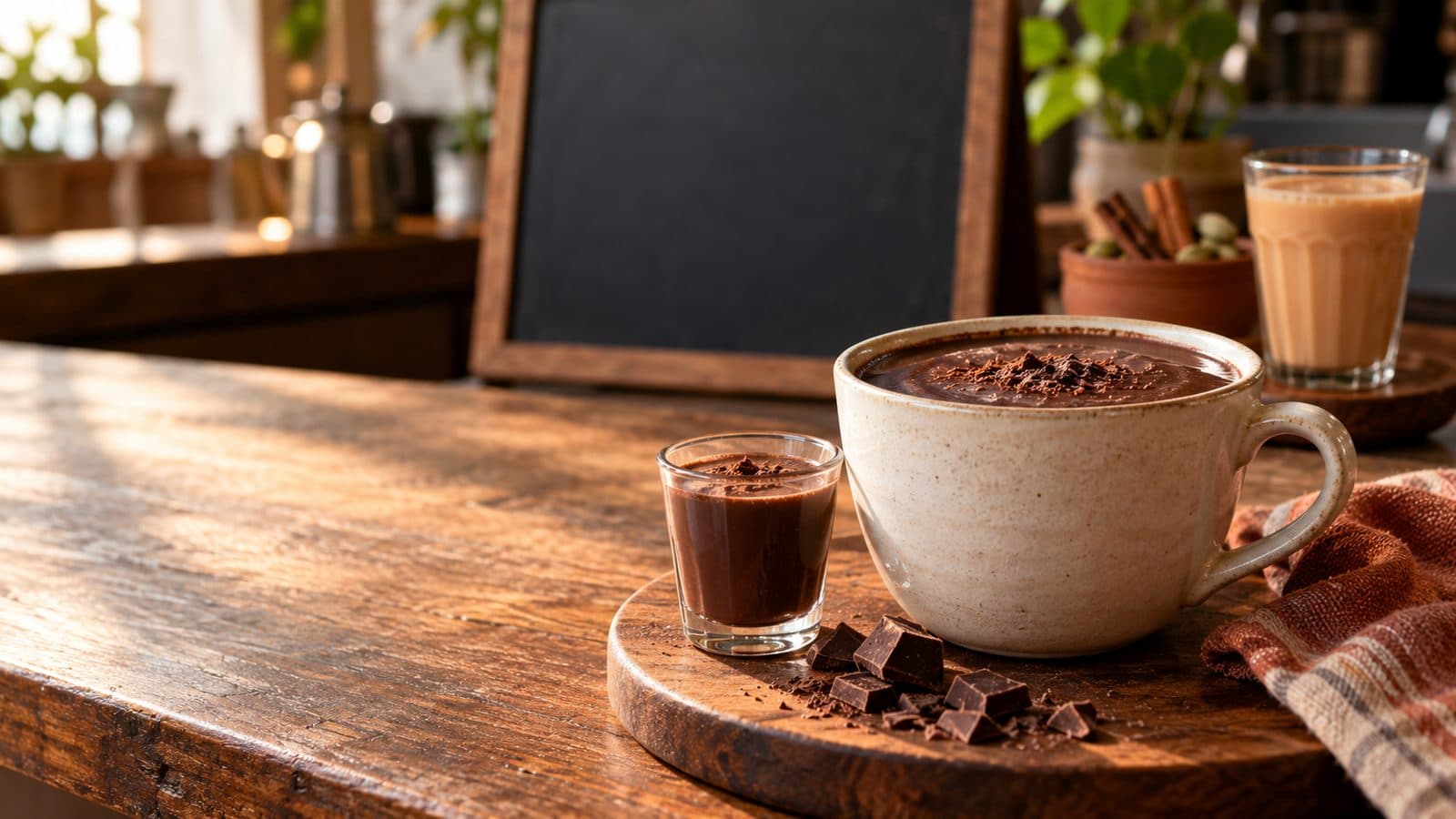
Most new drinks do not fail on taste. They fail on a price nobody was willing to test. A pricing method for any new item, using hot chocolate as the example.
A kiosk costs Rs 3 to 5 lakh. A small cafe costs Rs 8 to 15 lakh. Every guide stops there. Here is the line that keeps costing you after the doors open.