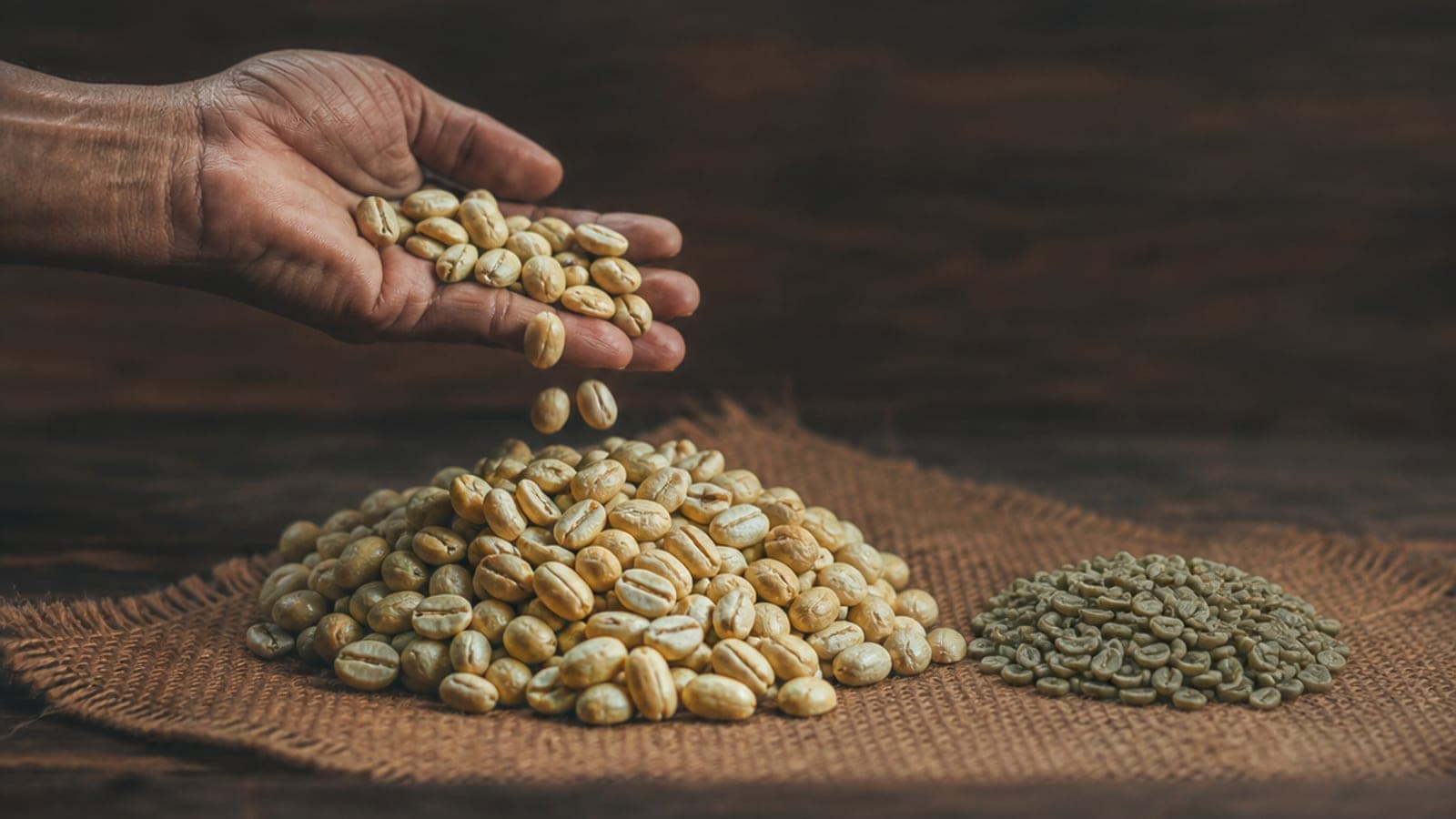
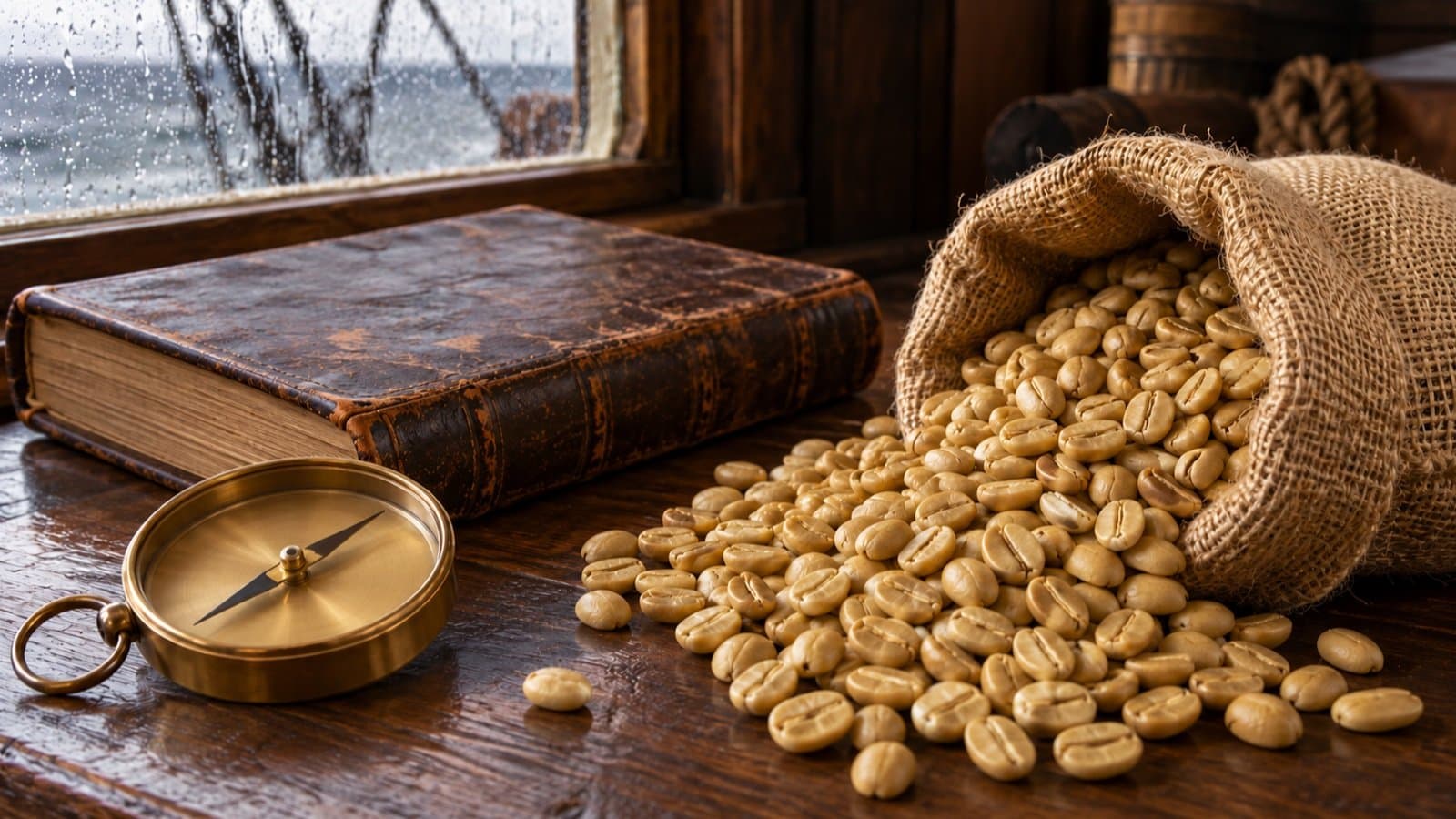
Monsoon Malabar is a coffee defined by a process, not a place. The beans are weathered in the wet monsoon winds of India's west coast for months. They swell and fade from green to a pale gold.
The result is a low-acid, full-bodied cup. It behaves very differently from the washed and natural coffees most baristas are trained on.
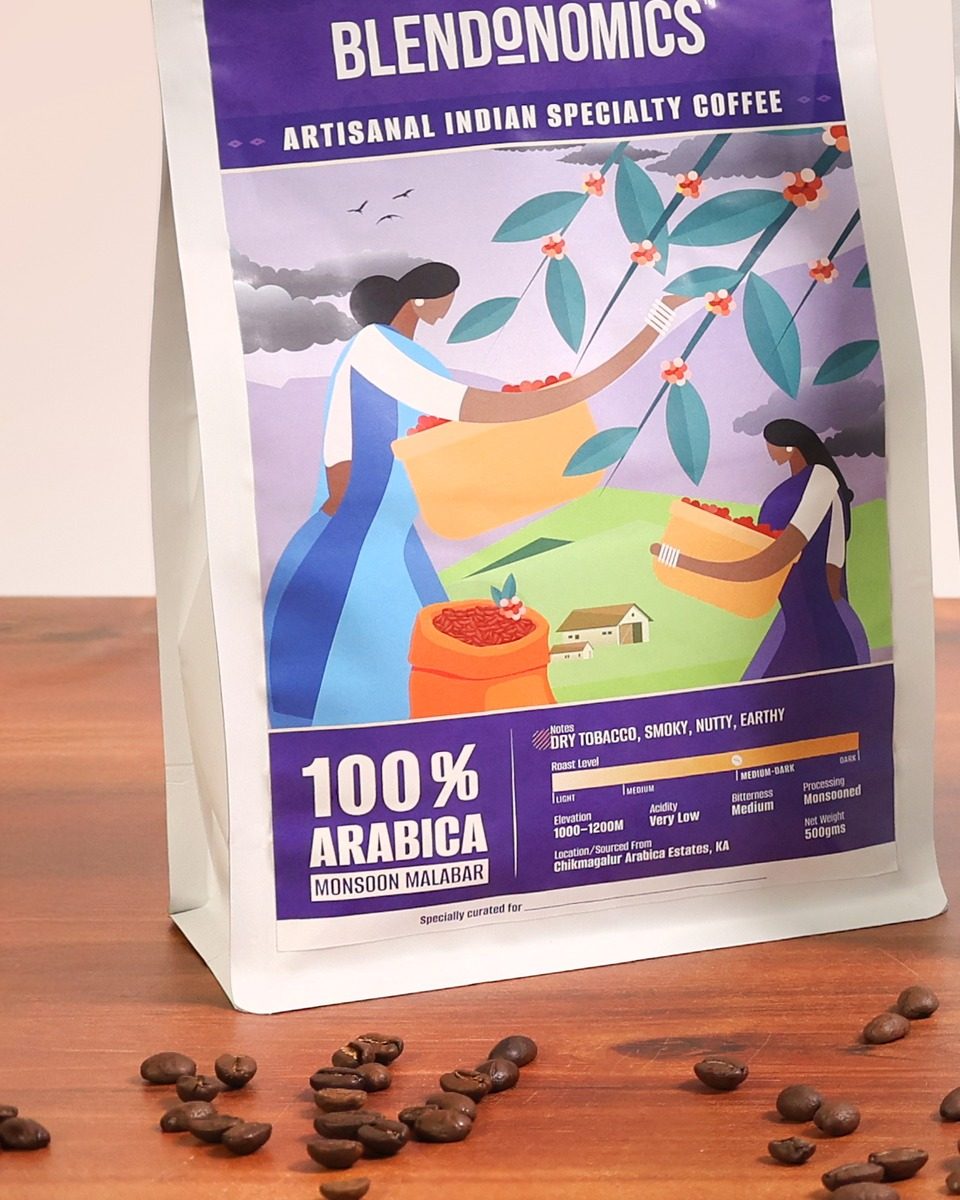
How monsooning works
The process starts after harvest, in the rainy season.
1. Dry-processed beans are spread in layers in open, ventilated warehouses on the coast.
2. Workers rake and turn them often, so the wet wind reaches every bean.
3. Over about 12 to 16 weeks, from June to September, the beans absorb moisture and swell to nearly twice their size.
4. The colour shifts from green to pale straw. The acidity drops away.
Only beans monsooned on the coast between Mangalore in Karnataka and Thalassery in Kerala can carry the name. Monsooned Malabar has had a geographical indication (GI) tag since 2007-08.
The problem is expectation
Most baristas taste Monsoon Malabar expecting brightness and clarity. They read its heavy, earthy profile as a defect.
It is not a defect. It is the entire point. Monsooning trades acidity for body. That is exactly what makes it a strong base for milk drinks and South Indian filter coffee.
Operators who understand the process are building menus most competitors have not caught up with.
Where it belongs on a menu
Monsoon Malabar cuts through milk without disappearing. It holds up under sugar. It gives a cortado or a filter coffee a weight that a bright, fruity coffee cannot.
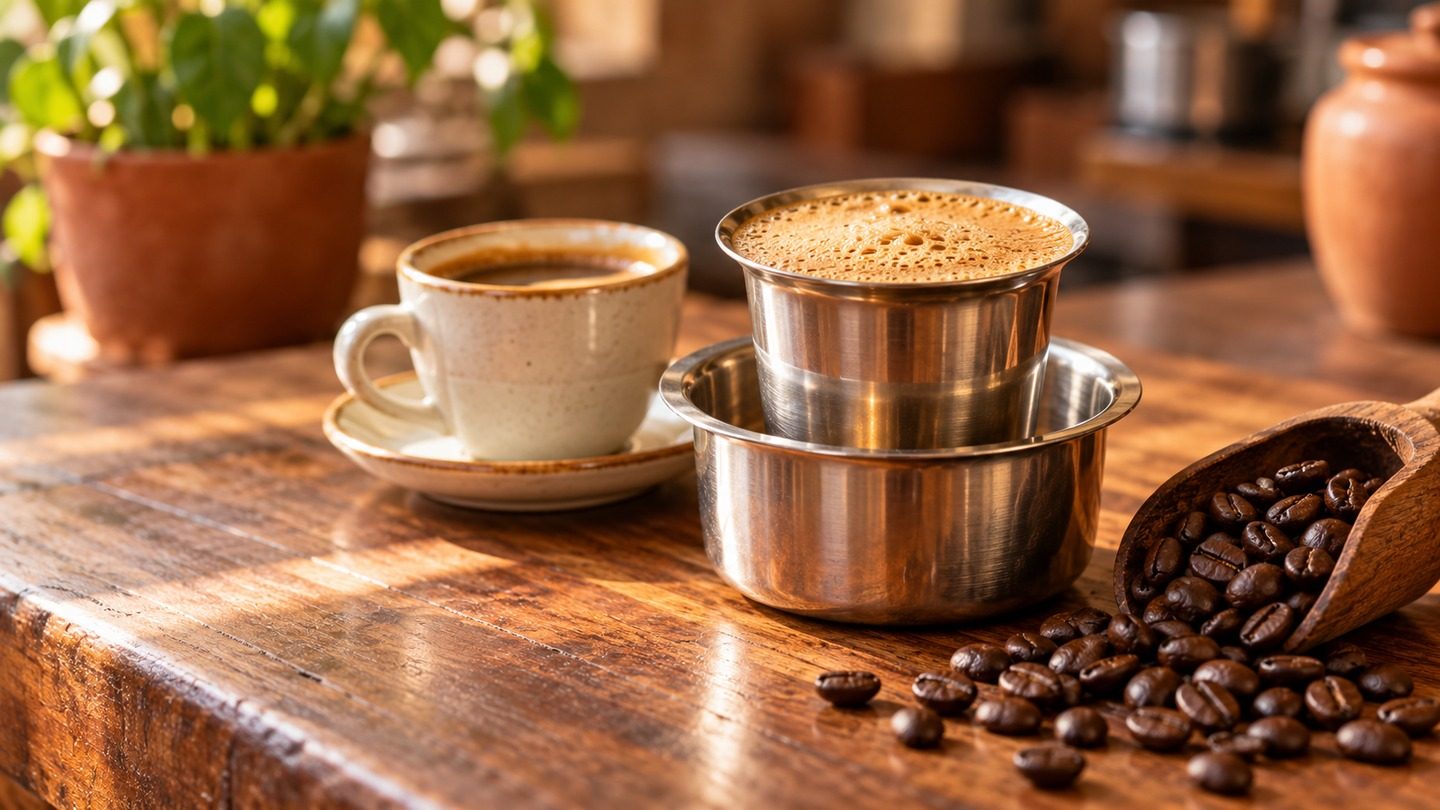
Use it where body matters most:
1. South Indian filter coffee, with or without chicory.
2. Cortados and flat whites, where the milk is short and the coffee must show.
3. Cold coffee and iced lattes, where ice and sugar flatten weaker coffees.
The mistake is selling it as a specialty pour-over hero. It can be brewed black, but its strengths are body and low acidity, not aroma. Sell it for what it is: the most dependable body on your bar.
How to describe it to customers
Do not hide the process. It is the best story on your menu. One line is enough: "Weathered in the monsoon winds of the Malabar coast. Smooth, heavy, low in acid."
Customers who find most coffee too sour often like it. Say so.
Storage and grind
Monsooned beans are larger and less dense than ordinary beans. They grind differently and go stale faster once ground.
1. Dial in slightly finer than your washed coffees, then adjust by taste.
2. Grind to order. Do not pre-grind for the day.
3. Keep the bag sealed and out of humid air. It already took on moisture once.
Treated right, Monsoon Malabar is one of the most forgiving coffees an operator can run at scale.
 Where it fits in a two-coffee menuThe Case for a Two-SKU Coffee Menu5 min read →
Sources
Use it on your menu
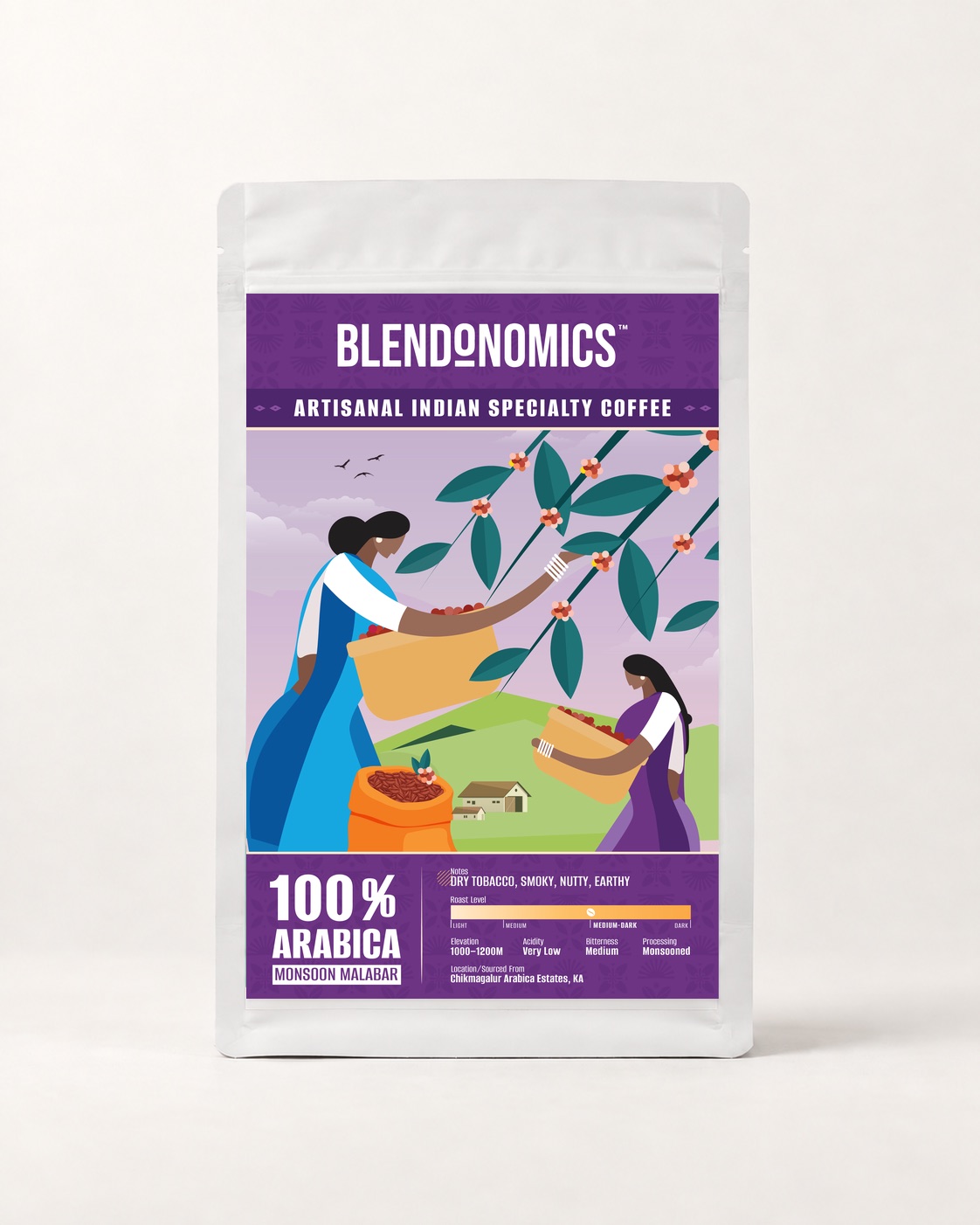
Supplying a cafe? Request a sample kit →
Keep reading

The Case for a Two-SKU Coffee Menu
What is a house blend coffee? One house blend runs your milk drinks, one rotating single origin runs black coffee. Why two coffees beat a wall of eight.
How to Choose Coffee Beans and a Supplier for Your Cafe
Choosing coffee beans wholesale in India for a cafe? Our 1 kg prices and eight questions to ask any supplier, including us, to find the best beans.
Monsooned Malabar Coffee History: Sailing Ships, Suez and a Taste Europe Missed
Sailing ships changed the beans. Steamships stopped it. The Malabar coast recreated it on land. The story, the process, the GI tag, and what is legend.