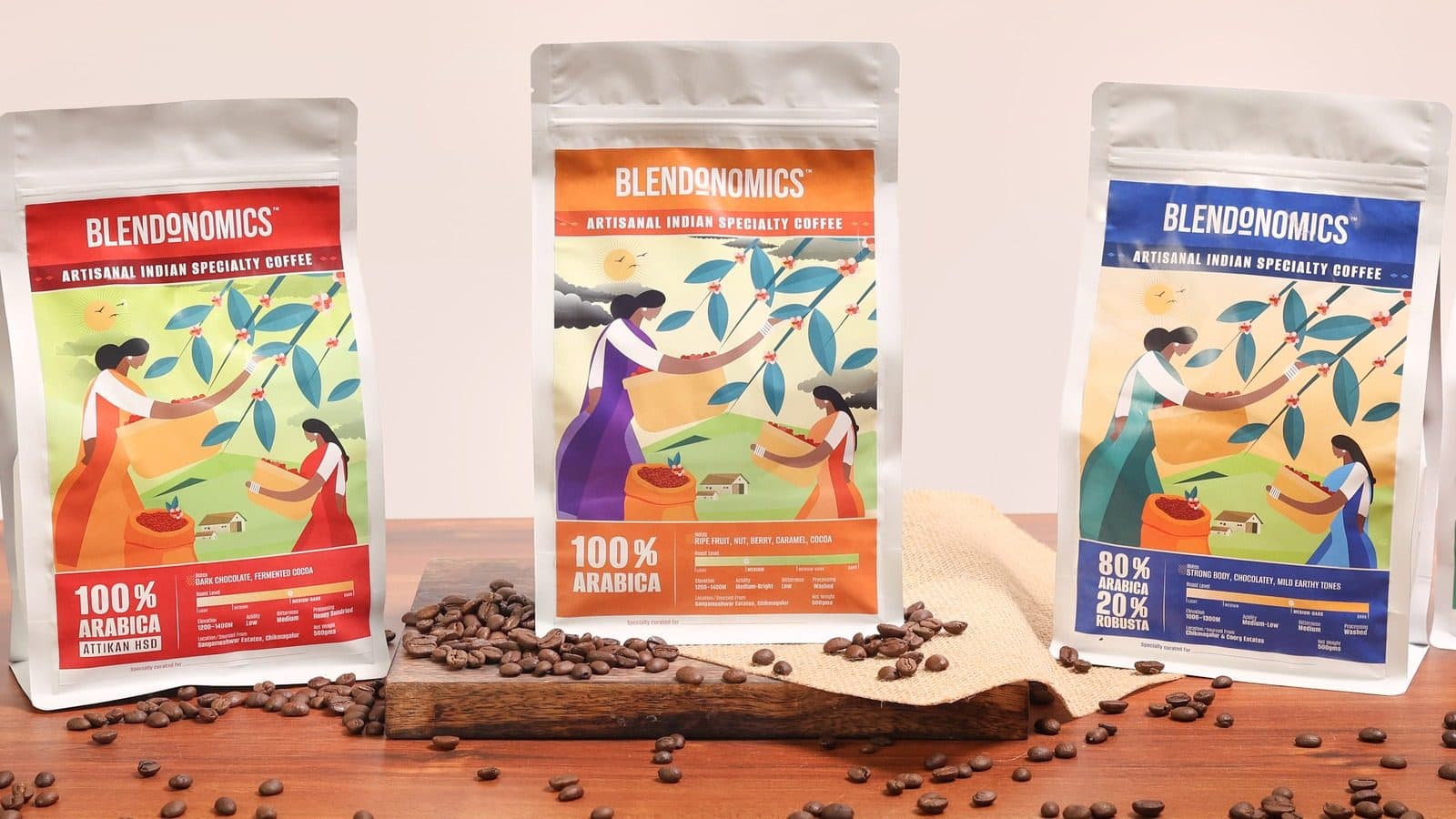
Most cafe coffee programs fail not from too little choice, but too much. A wall of single origins looks generous and reads as expertise. But it quietly wrecks consistency, training and waste.
We argue for a disciplined two-SKU menu: one house blend, one rotating single origin.
Why more coffees cost more than they look
Every coffee on your bar needs its own grind setting. Each morning, your barista pulls test shots until the shot runs right. That is called dialling in. With one coffee, it takes a few shots. With five, it takes a few shots five times, and some go down the sink.
Each extra coffee also means:
1. One more bag open at once, going stale while it waits for orders.
2. One more recipe your staff must remember.
3. One more line on the menu that the customer has to read and decide on.
More than four options dilutes rather than expands.
The house blend does the volume
In most Indian cafes, the bulk of coffee orders are milk drinks: cappuccinos, lattes, cold coffee. Those should all run on one reliable, forgiving blend that a new hire can pull well by their second shift.
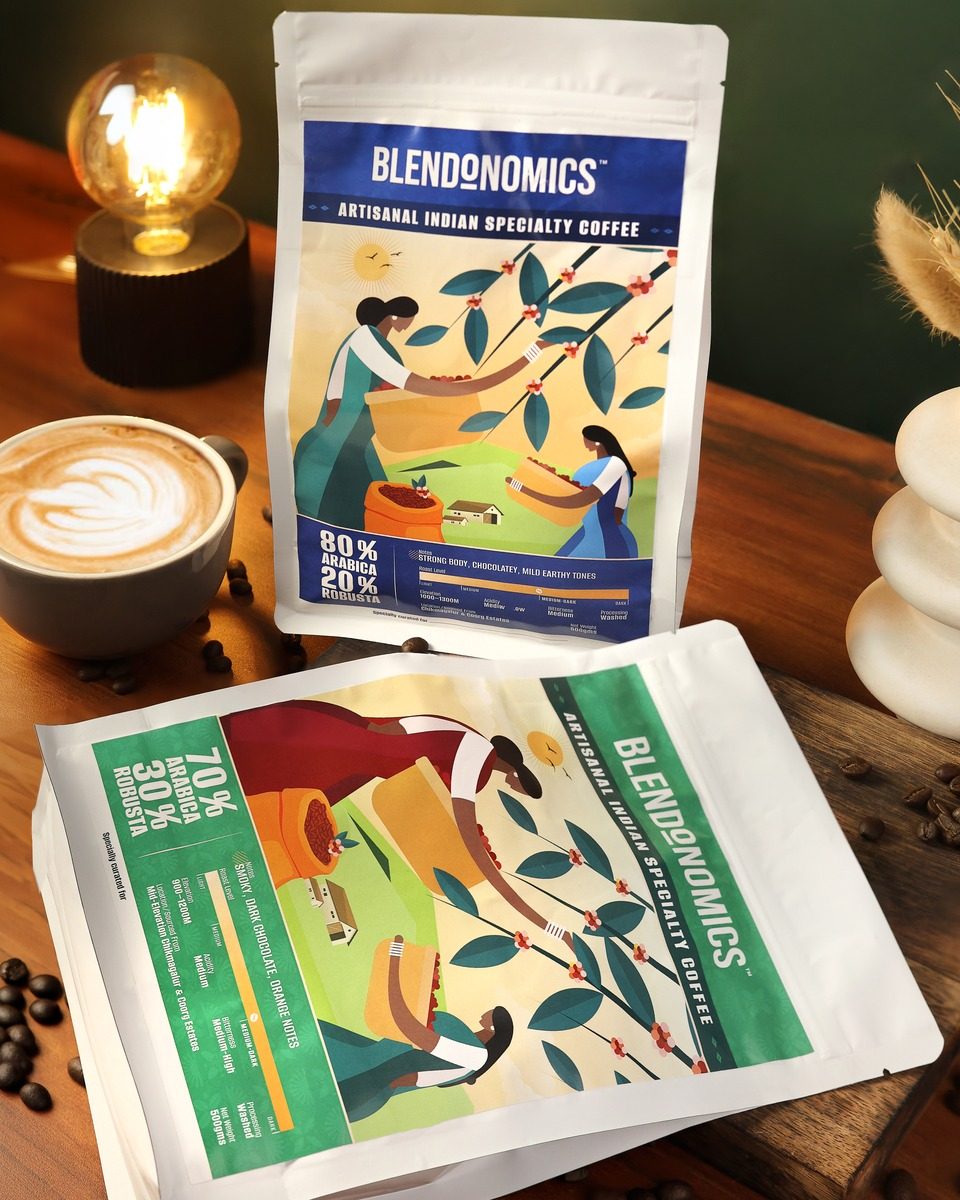
Pick it for milk first. A blend with some Robusta, such as 70/30 or 80/20, holds its taste through milk and sugar. Taste it in your best-selling drink, not only as an espresso.
Then do not change it. Consistency here is worth more than novelty. Your regulars notice when their cappuccino tastes different.
What is a house blend coffee, and why use it for milk drinks?
A house blend is the coffee a cafe serves every day, mixed from more than one coffee to taste the same each time. It is the one your regulars know, so it should not change.
Milk drinks are where a blend works best. Milk and sugar mute a coffee, so a delicate single origin disappears in a latte. A blend with some Robusta keeps body, crema and a stronger taste that cuts through milk.
A blend also keeps the cup steady. Several coffees in one mix are easier to hold to one taste than a single lot, so your regulars get the same cappuccino each visit.
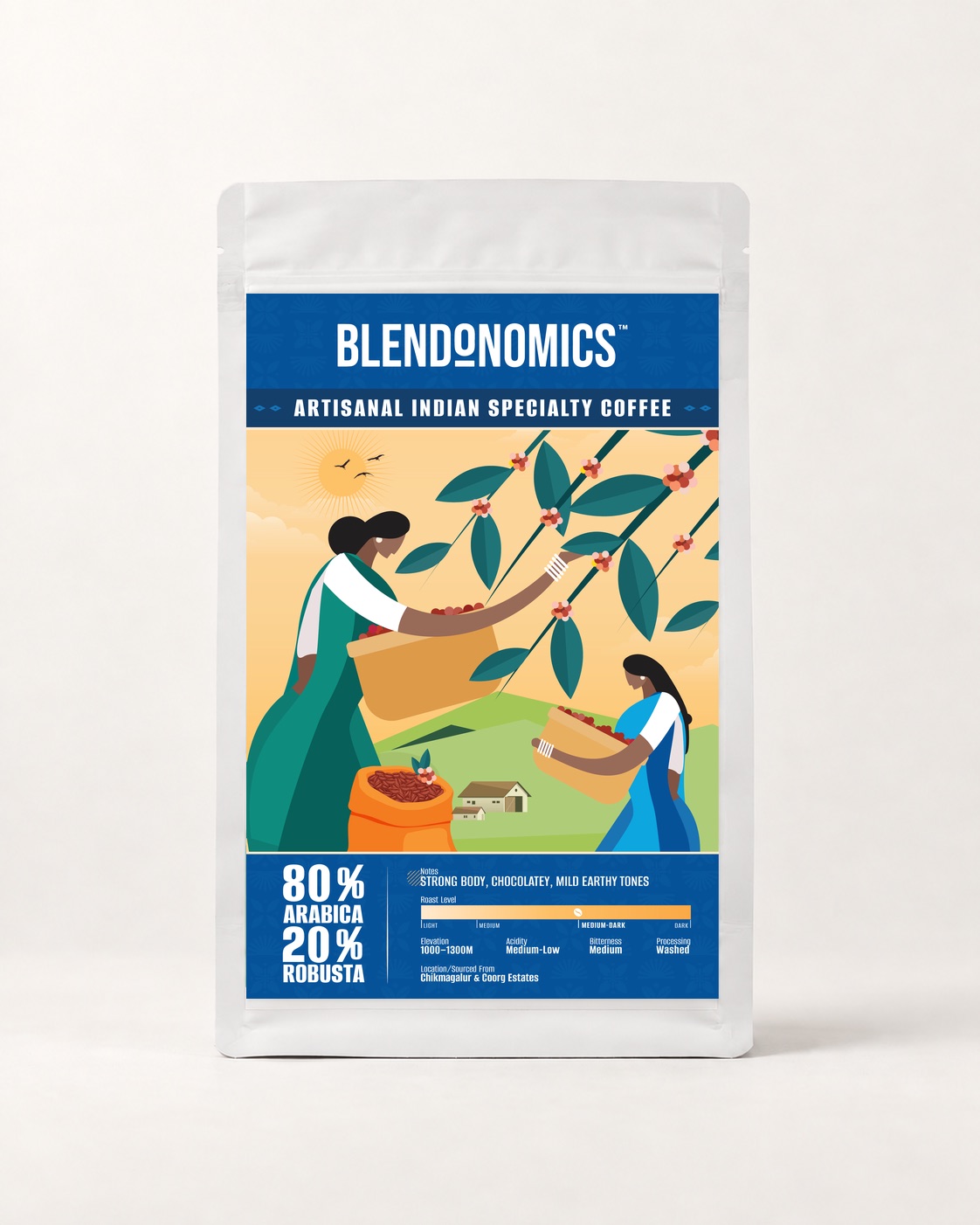
For the milk menu we suggest a medium roast at 70/30 or 80/20, Arabica to Robusta. Our 80/20 Premium Blend is a good one to test first, in your best-selling milk drink.
The single origin does the storytelling
The rotating origin is where you earn credibility. One well-chosen coffee, brewed black, changed every few weeks, gives regulars something to come back for. Your team only holds two recipes in their head.
Three ways to run the rotation well:
1. Brew it one way. Pour over or French press, not both.
2. Write one line about it on the menu: where it is from and what it tastes like.
3. Change it on a fixed schedule, for example every 4 to 6 weeks, so regulars learn to ask what is new.
What the menu looks like
A two-SKU menu has every usual drink on it. Espresso, cappuccino, latte, cold coffee and filter all run on the house blend. Only the black coffee section uses the single origin.
The customer still sees a full menu. The bar only runs two coffees.
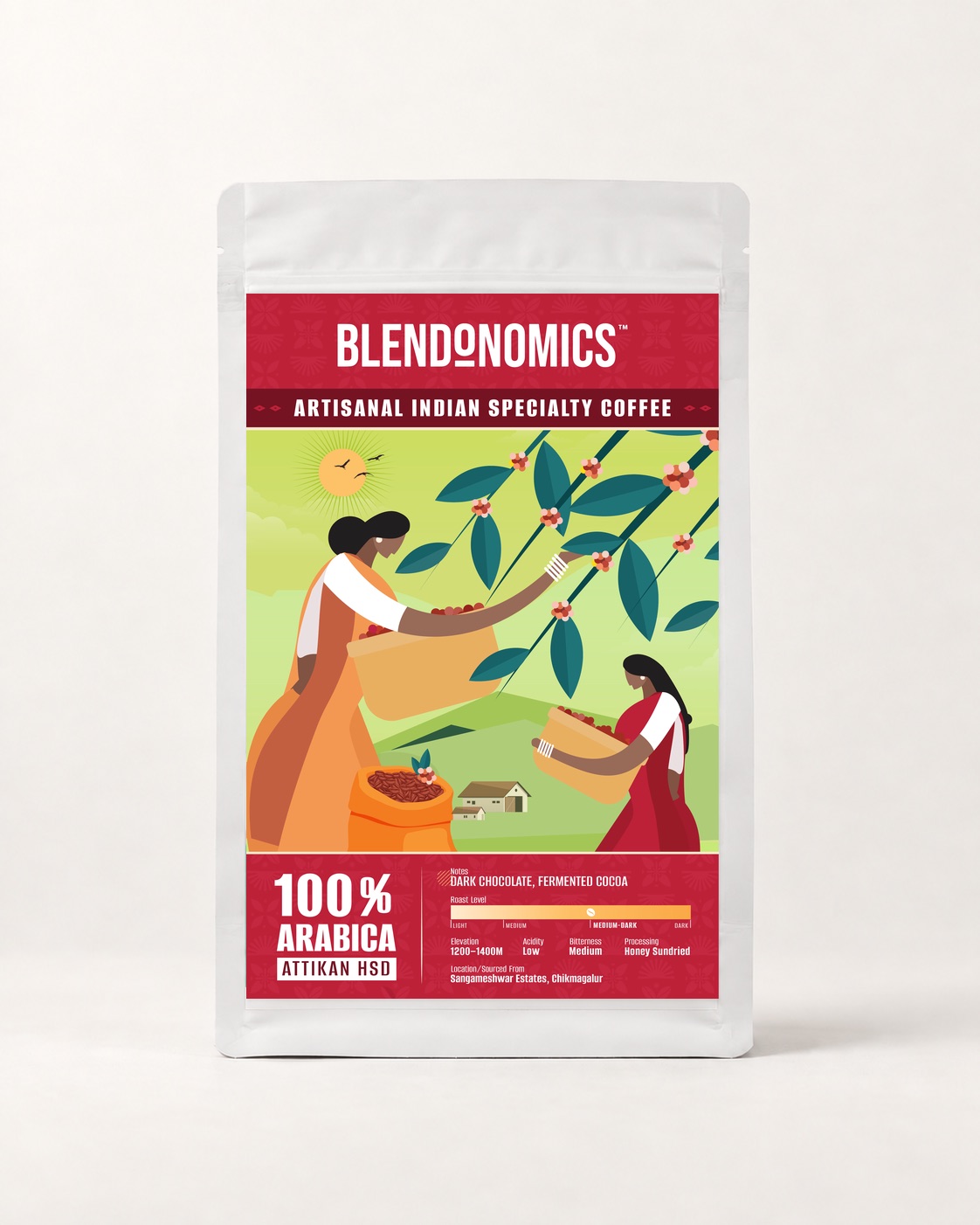
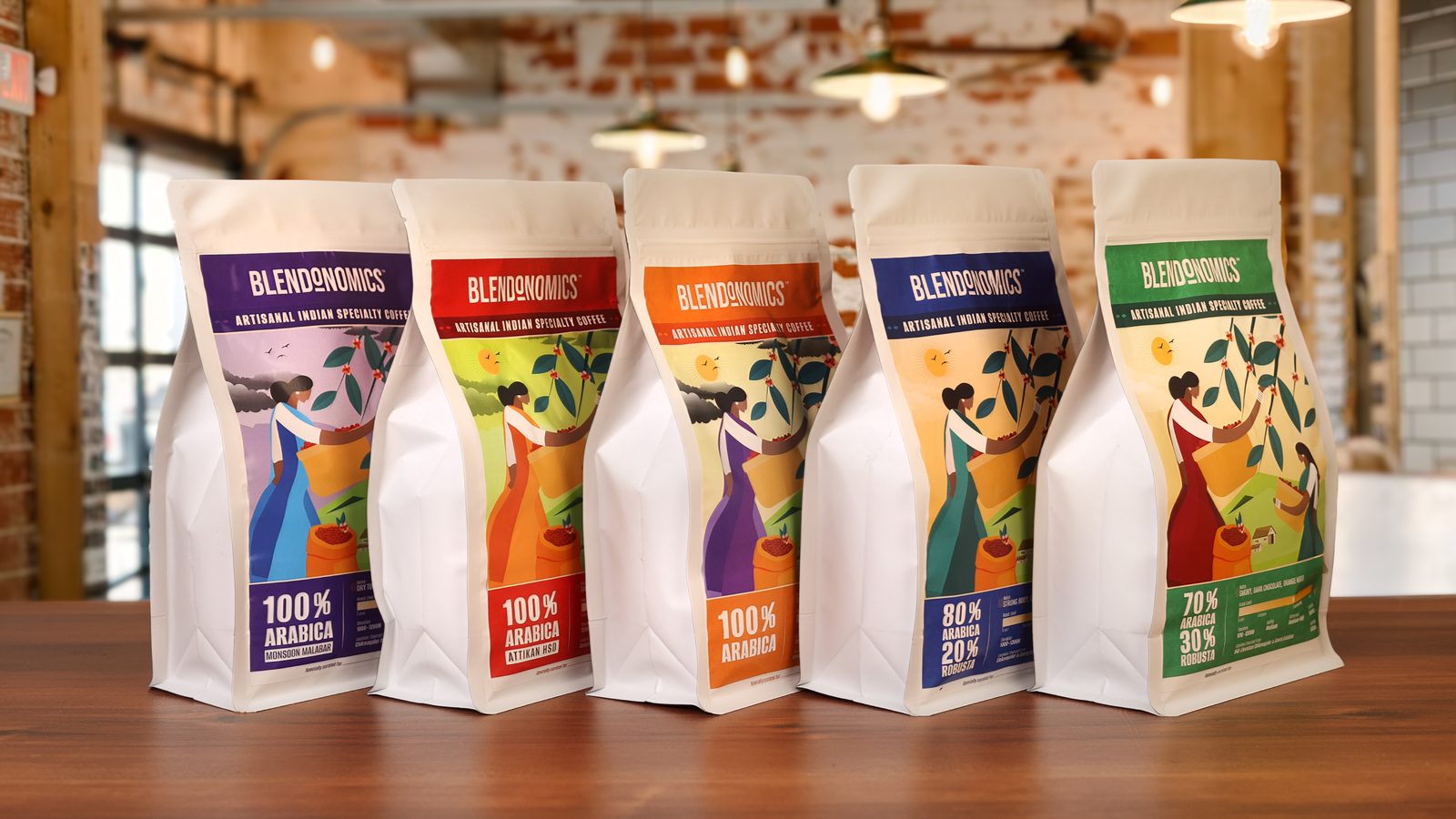 How to choose the house blendHow to Choose Coffee Beans and a Supplier for Your Cafe6 min read →
Two SKUs means faster training, lower waste, tighter quality, and a menu that a customer can understand in five seconds. Restraint is the product.
Keep reading
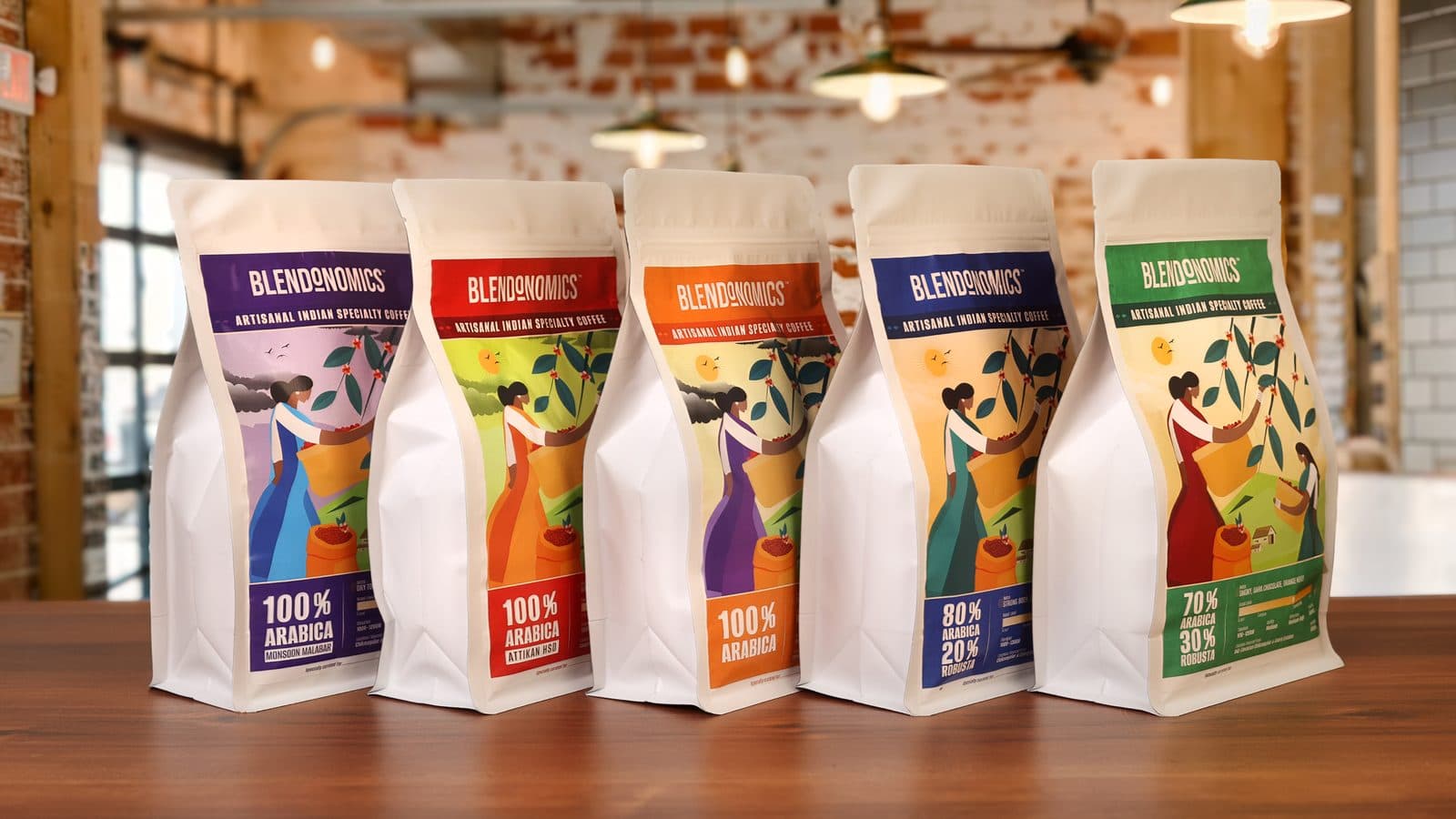
How to Choose Coffee Beans and a Supplier for Your Cafe
Choosing coffee beans wholesale in India for a cafe? Our 1 kg prices and eight questions to ask any supplier, including us, to find the best beans.
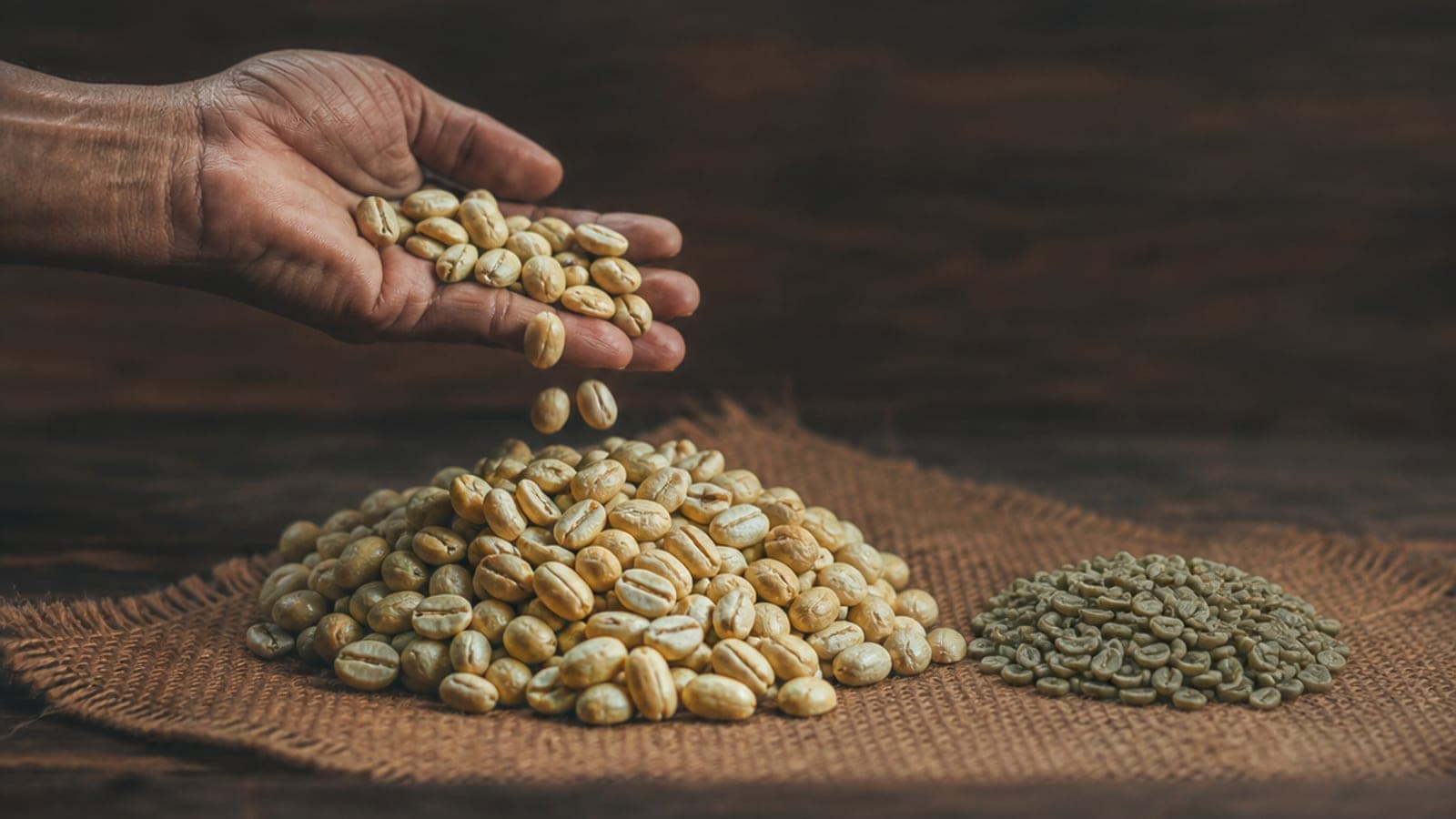
Why Monsoon Malabar Is the Most Misunderstood Coffee in India
Monsooned Malabar is older than modern coffee standards, and most cafes misread it. What the monsooning process does, and how to put it on a menu.
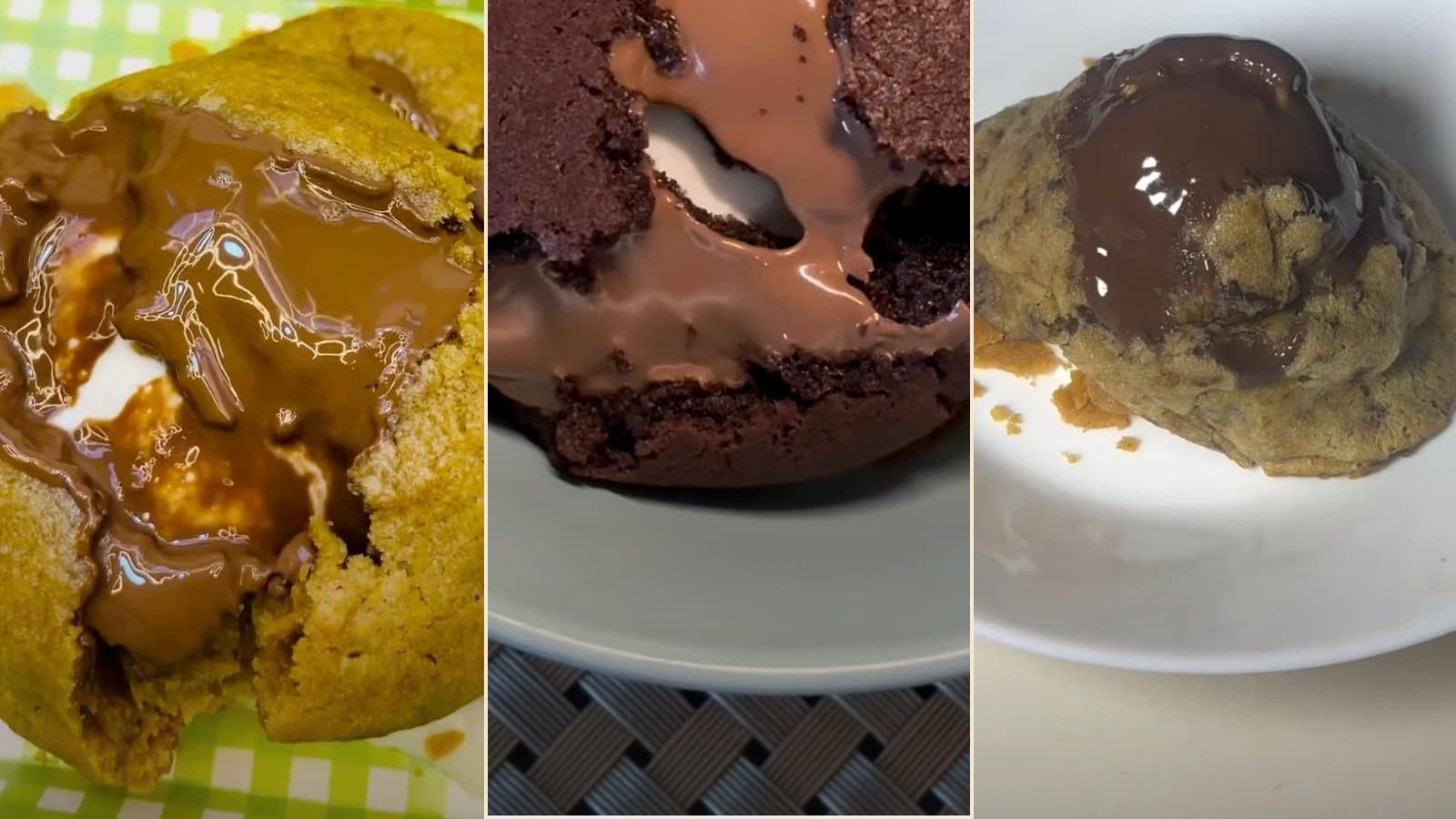
Molten Cookie in India: Instagram Is Ahead of Google. Should Your Cafe Add One?
The molten cookie is everywhere on Instagram and almost invisible on Google. What a cafe makes on one, and what to serve beside it.