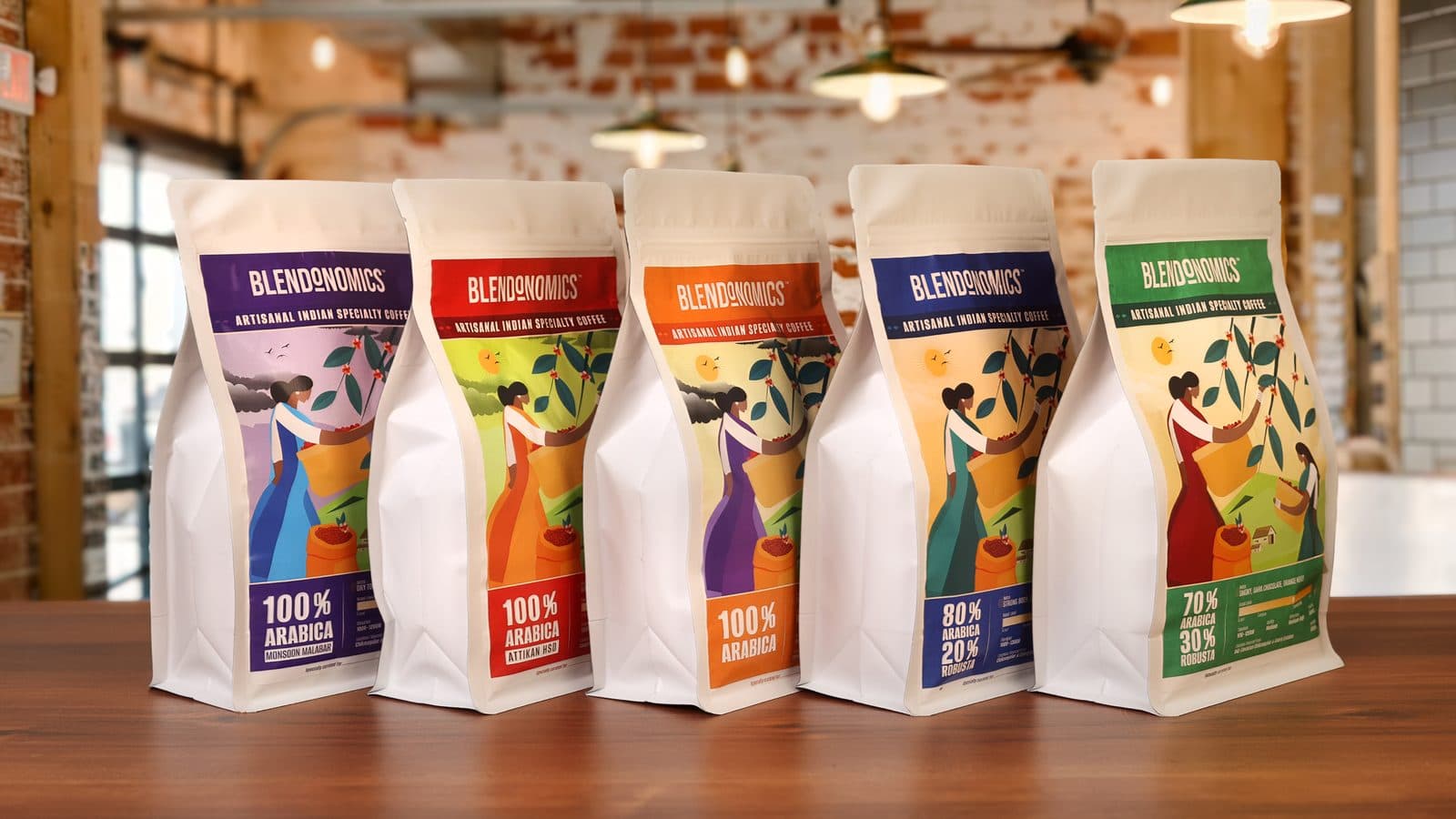
Most cafe owners choose coffee beans by price per kilo. Then they pull a few shots.
Price per kilo matters less than it looks. The questions that matter are about freshness, consistency and supply.
Start with cost per cup
A double shot uses about 18 g of coffee. So 1 kg makes about 55 doubles. Allow some for dialling in each morning, and call it 50.
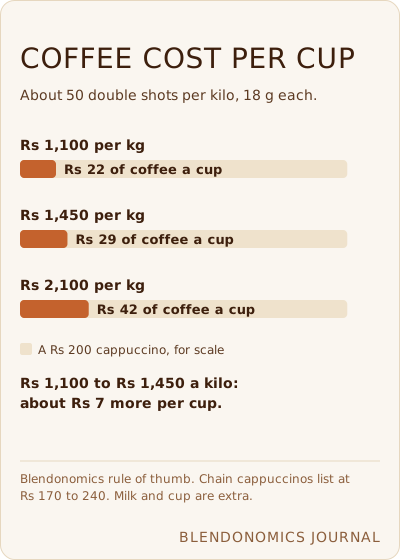
Moving from a Rs 1,100 kilo to a Rs 1,450 kilo adds about Rs 7 to each cup. Chain cappuccinos sell for Rs 170 to Rs 240.
Rs 7 is real money over a year. But a cup that tastes different every week costs more, because regulars stop coming.
Do not buy the cheapest kilo. Buy the most consistent cup.
Eight questions to ask any supplier
Ask every supplier the same eight. Including us.
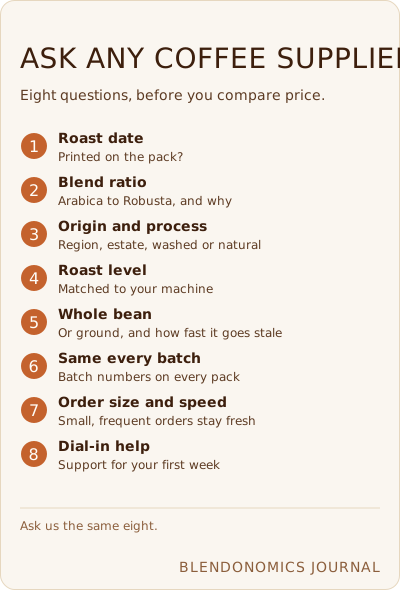
1. When was it roasted, and is the date on the pack? Most roasters suggest resting espresso beans for about 1 to 2 weeks after roasting. Use them within about a month. Without a date, you cannot know where you are in that window.
2. What is the Arabica and Robusta ratio? Arabica brings sweetness and aroma. Robusta brings body, crema and a stronger taste that cuts through milk. Most cafe milk drinks in India use a blend.
3. Where is it from, and how was it processed? Ask for the region, not just "Indian coffee". Karnataka grows about 70 percent of India's coffee, mostly in Chikkamagaluru, Kodagu and Hassan. Process (washed, natural, honey, monsooned) changes the taste as much as the region.
4. What roast level, and for which brew? A roast that works for South Indian filter can taste harsh as espresso. Tell the supplier your machine and your best-selling drink.
5. Whole bean or ground? Buy whole bean if you have a grinder. Ground coffee goes stale within days of opening.
6. Will the next order taste the same? Ask how they keep a blend the same from batch to batch. Ask for batch numbers on every pack.
7. What is the minimum order, and how fast does it arrive? Order little and often, so beans stay fresh. A supplier with a large minimum order pushes you to hold stale stock.
8. Will they help you dial it in? A new coffee needs new grinder settings. Ask if they will help your staff with the first week of shots.
Fit the beans to your menu
Most cafes sell more milk drinks than black coffee. So pick the house coffee for milk first.
1. For cappuccinos, lattes and cold coffee: a blend with some Robusta, such as 70/30 or 80/20, roasted medium.
2. For black coffee and pour over: 100 percent Arabica, or one single origin.
3. For South Indian filter: a blend with more Robusta, and often chicory. Keep it separate from your espresso coffee.
 How many coffees to stockThe Case for a Two-SKU Coffee Menu5 min read →
Test the way you will serve
Taste samples the way you will sell them.
1. Same machine, same grinder, same milk, same barista for every sample.
2. Dial in each coffee for a full morning before you judge it.
3. Taste it in your best-selling milk drink, not only as espresso.
4. Order a second batch before you commit. The second bag tells you more than the first.
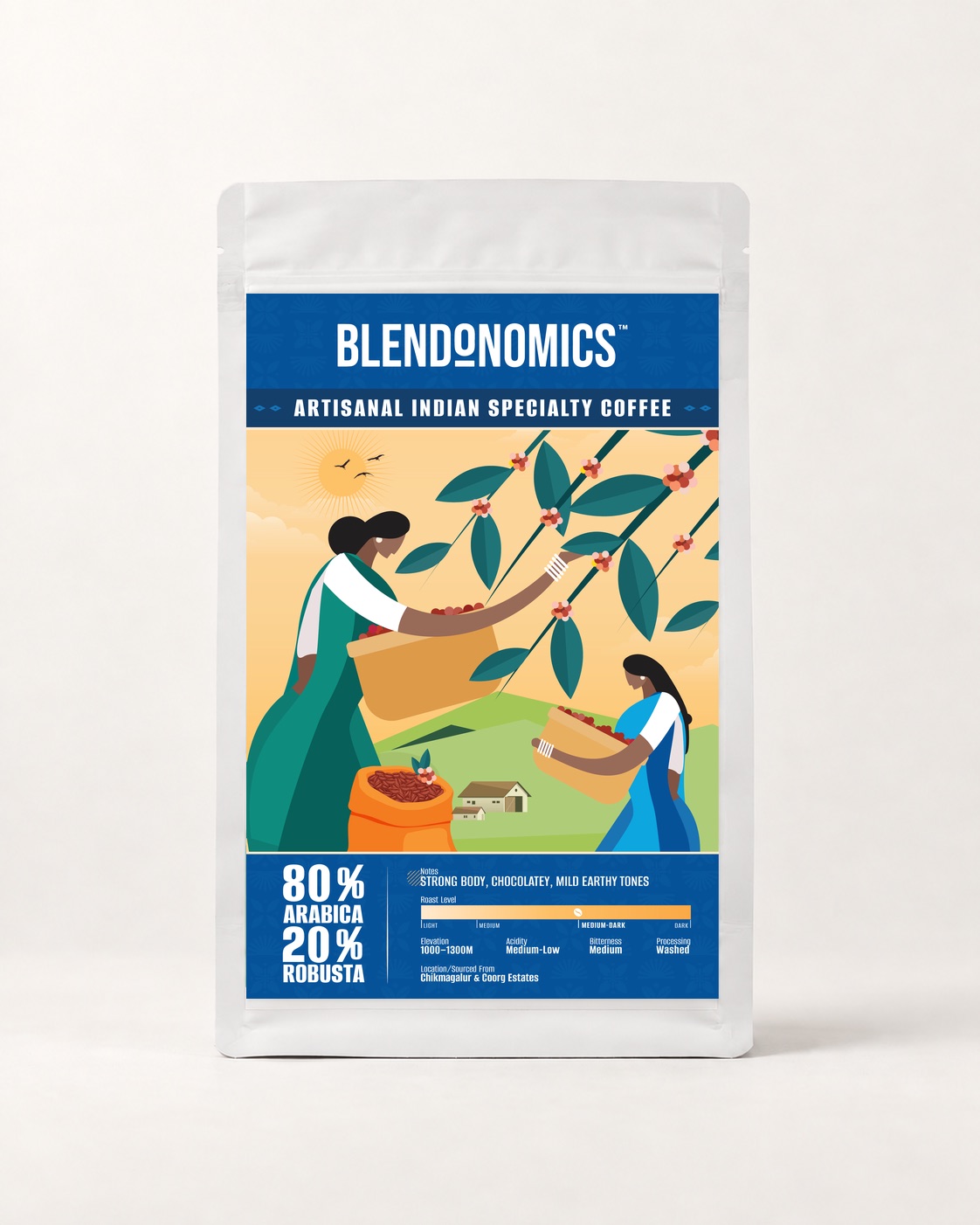
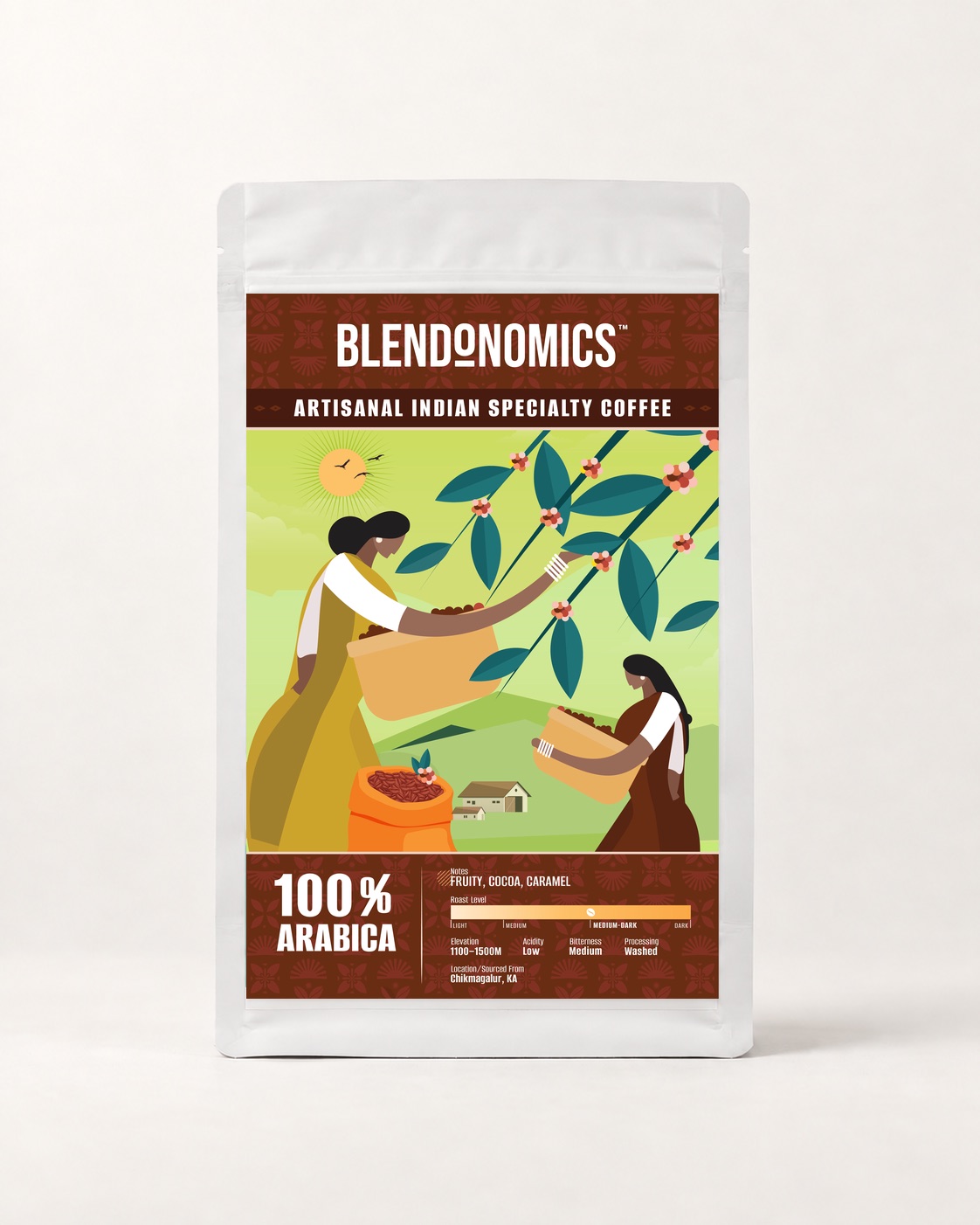
Our own house blends are 70/30, 80/20 and 100 percent Arabica, from estates in Chikmagalur and Coorg. Ask us the same eight questions.
Sources
- Coffee Board of India, coffee statistics, 2024-25 final estimate
- Deccan Herald, Karnataka produces about 70 percent of India's coffee
- Clive Coffee, is your coffee too fresh
- Square Mile Coffee, Red Brick and freshness
- Third Wave Coffee, Koramangala, Bengaluru menu on magicpin
- 18 g dose and 50 usable doubles per kilo: our rule of thumb
Keep reading
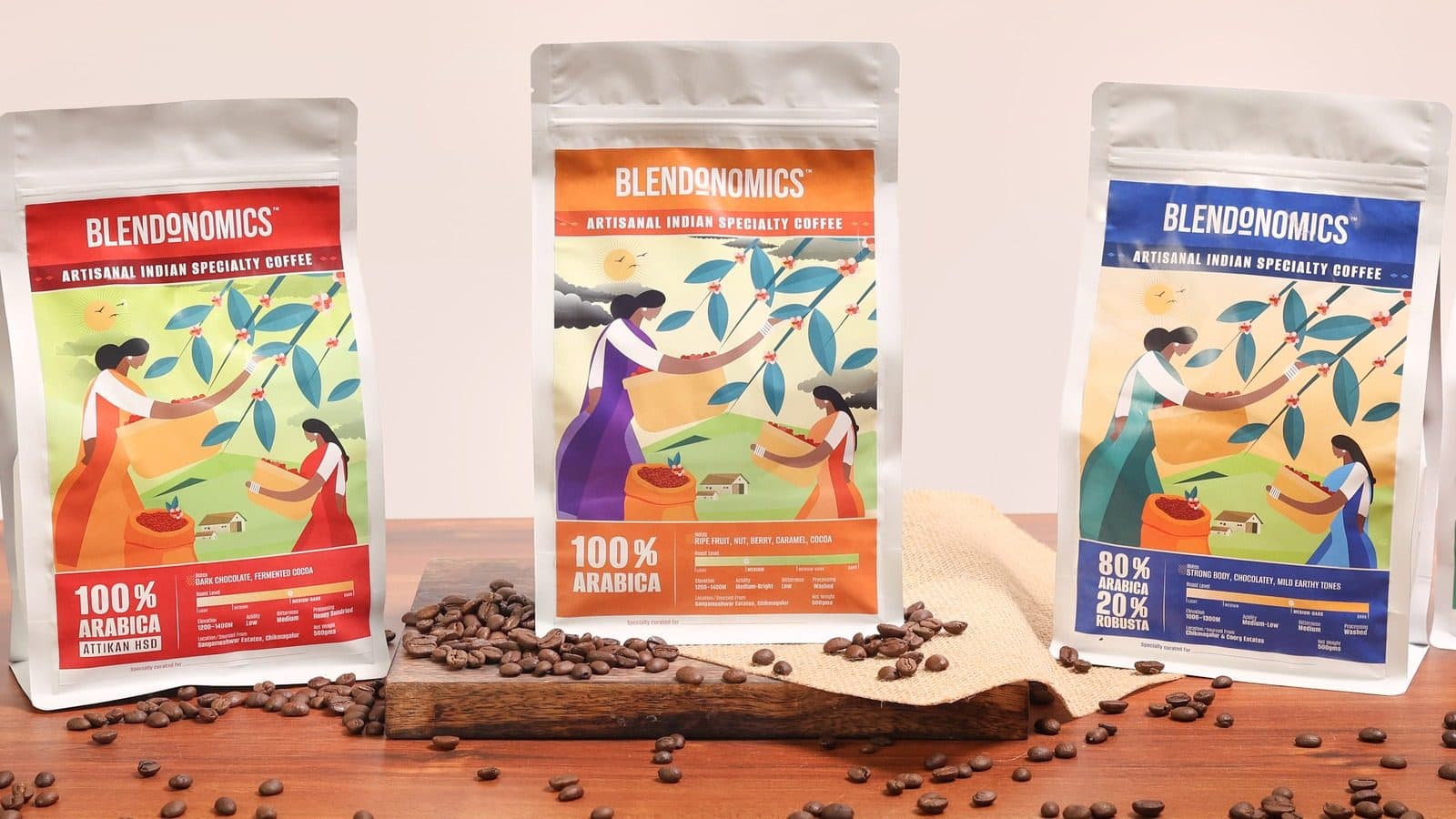
The Case for a Two-SKU Coffee Menu
One house blend for milk drinks, one rotating single origin for black coffee. Why two coffees beat a wall of eight.
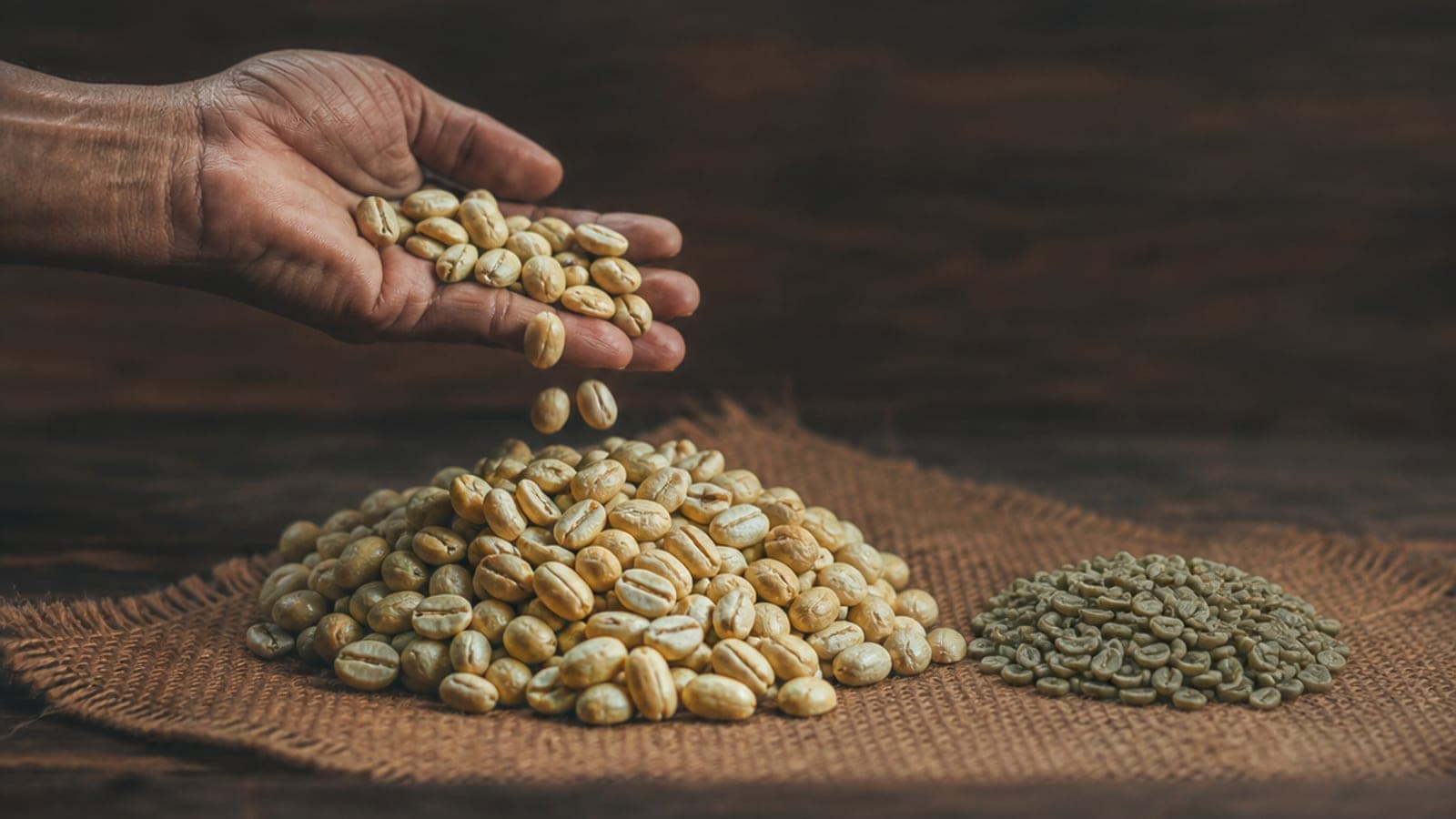
Why Monsoon Malabar Is the Most Misunderstood Coffee in India
The process is older than modern coffee standards. Operators who understand it are building menus most competitors have not caught up with.
Monsooned Malabar Coffee History: Sailing Ships, Suez and a Taste Europe Missed
Sailing ships changed the beans. Steamships stopped it. The Malabar coast recreated it on land. The story, the process, the GI tag, and what is legend.