HC | CLASSICS
North India looks like the obvious market for hot chocolate.
More milk. Colder winters. A taste for milky drinks.
Then the interest kept showing up further south. Pune. Bengaluru. Kerala. Tamil Nadu.
We thought the data was wrong. It was not. We were reading the wrong map.
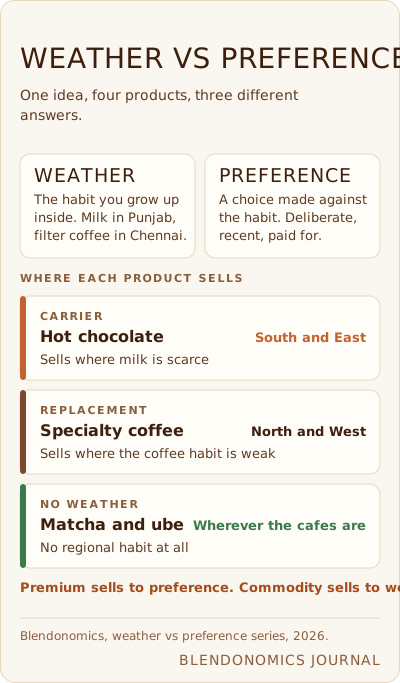
We now sort every drink by one question. Does the customer buy it because of where they grew up, or because they chose it?
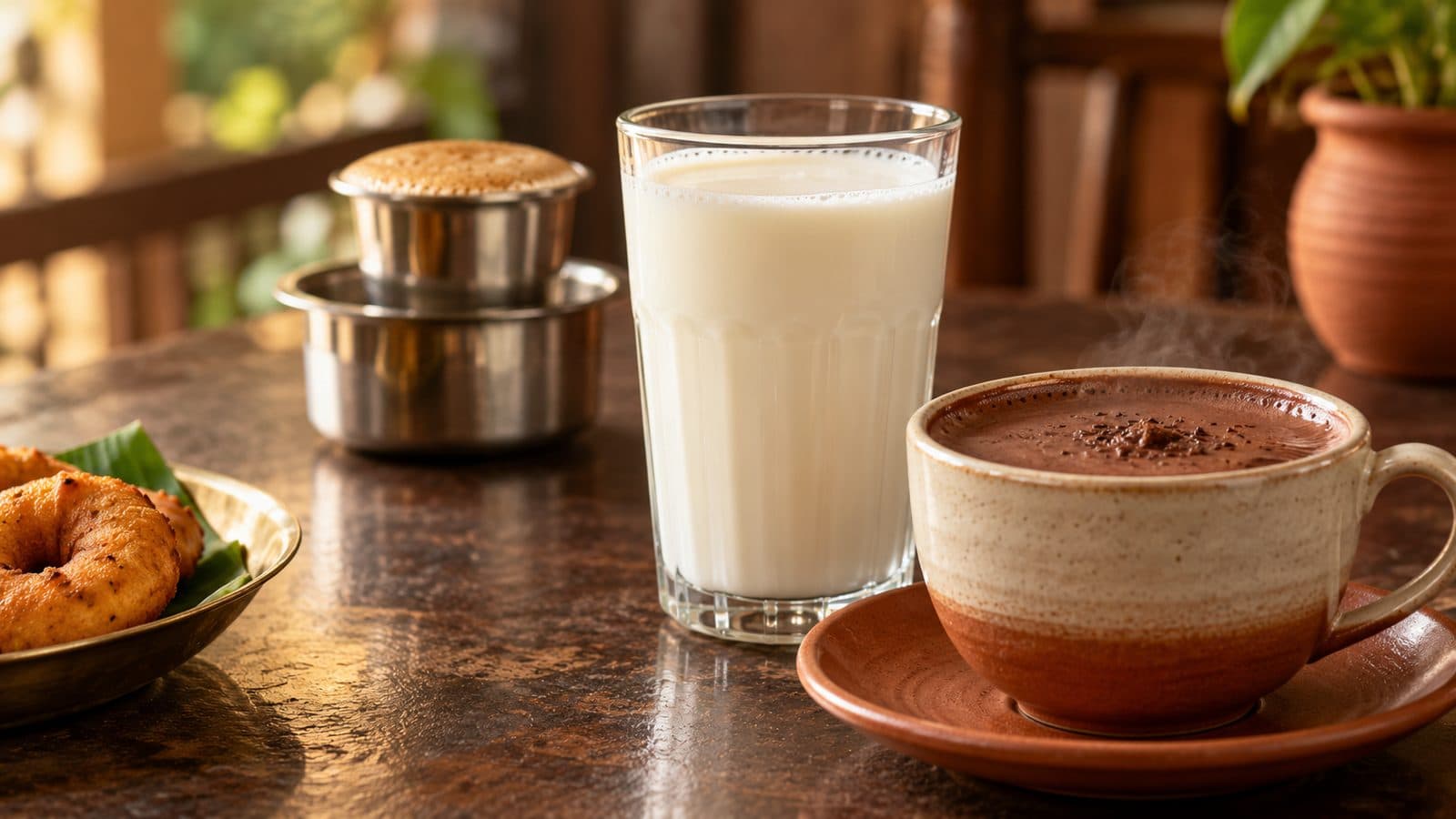
Weather is the first kind. It is the habit a person grows up inside. Milk in Punjab. Filter coffee in Chennai. Tea in Kolkata. Nobody decides to drink it. It is just there.
Preference is the second kind. It is a choice made against the habit. Deliberate, recent, and paid for.
Premium sells to preference. Commodity sells to weather.
This series applies that one idea to four products: hot chocolate, coffee, matcha and ube. Each one lands somewhere different.
Draw a diagonal across India, from Gujarat to Bihar. Above it, milk is plentiful. Below it, much less so.
Per person, Punjab has 1,245 grams of milk a day. Kerala has 197. That is a gap of more than six times.
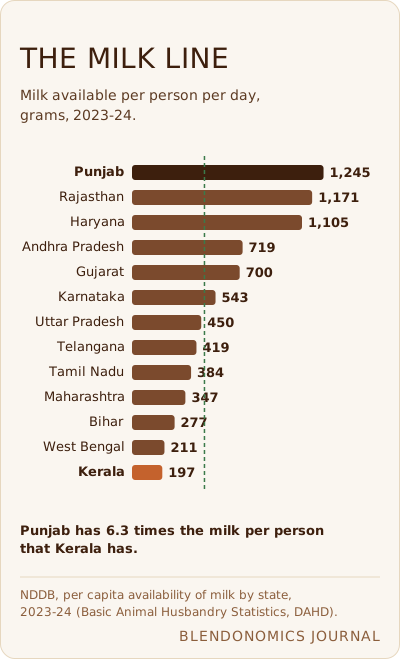
If hot chocolate were a milk product, Punjab would be its best market. It is not a milk product. It is a reason to drink milk.
In Punjab, milk is the drink. A glass of milk needs no reason. A flavoured mix has nothing to replace except free milk from home, and free usually wins.
Where milk is scarcer, it rarely arrives alone. It comes as a carrier for something else: coffee, tea, malt. Someone has already decided what goes in the cup. That decision has a budget, and that budget is what hot chocolate competes for.
So the milk line is not a demand map. It is a competition map.
Horlicks is the closest thing India has to a milk-carrier brand at scale. A business school case study on the brand puts North and West India at about 15 percent of its sales. The South and East carried the rest.
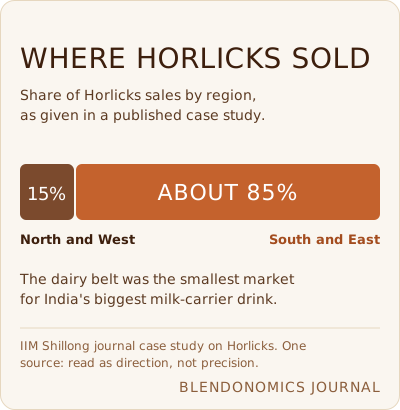
That is one case study, so we read it as direction, not precision. But the direction is hard to miss. The dairy belt was the smallest market for a drink built on milk.
One objection we hear: more South Indians are lactose intolerant, so milk drinks should struggle there.
A 2025 study of about 8,000 South Asian genomes found the gene that lets adults digest milk is common in the North and gets rarer further south. Yet the South drinks about three quarters of India's coffee, almost all of it with milk. A 150 to 200 ml cup sits inside what most adults handle without trouble. Habit beat genetics.
Here is the tension. Hot chocolate is a cold-weather drink, and the best habit markets have no winter. Chennai never gets cold. Delhi does, for about four months.
We built a model of the two regions side by side, using temperature data and category habits. It has no sales data in it, so read it as structure, not forecast. Habit still won. South and East came out ahead on hot chocolate across the year, with no winter at all. Weather changed the shape of the year. It did not change who buys.
Habit decides the customer. Weather decides only the calendar.
If your cafe is in the South or East, stop treating hot chocolate as a winter special. Your customers already pay for flavoured milk drinks all year. Put it on the main menu, and add an iced version for the hot months.
If your cafe is in the North or West, hot chocolate is a seasonal push. Plan for a strong November to February, and let something else carry the summer.
 Related readingHot Chocolate Is Not a Winter Problem. It Is a Menu Problem.5 min read →
 Next in the seriesSpecialty Coffee Grew Up in Delhi, Not Chennai6 min read →
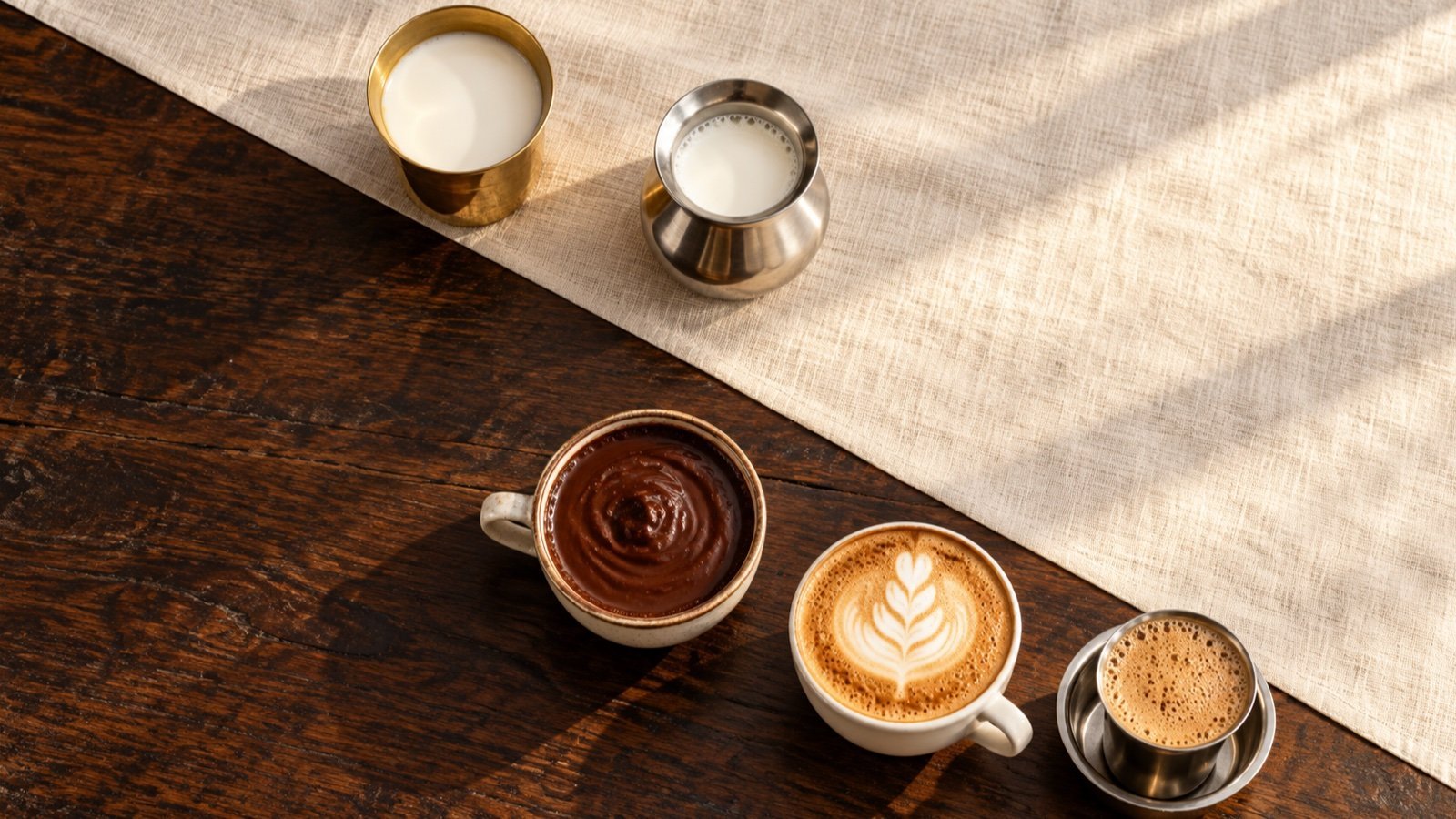 The whole seriesThe Milk Line: Which Drinks Sell in Indian Cafes, and Why Habit Beats Weather11 min read →
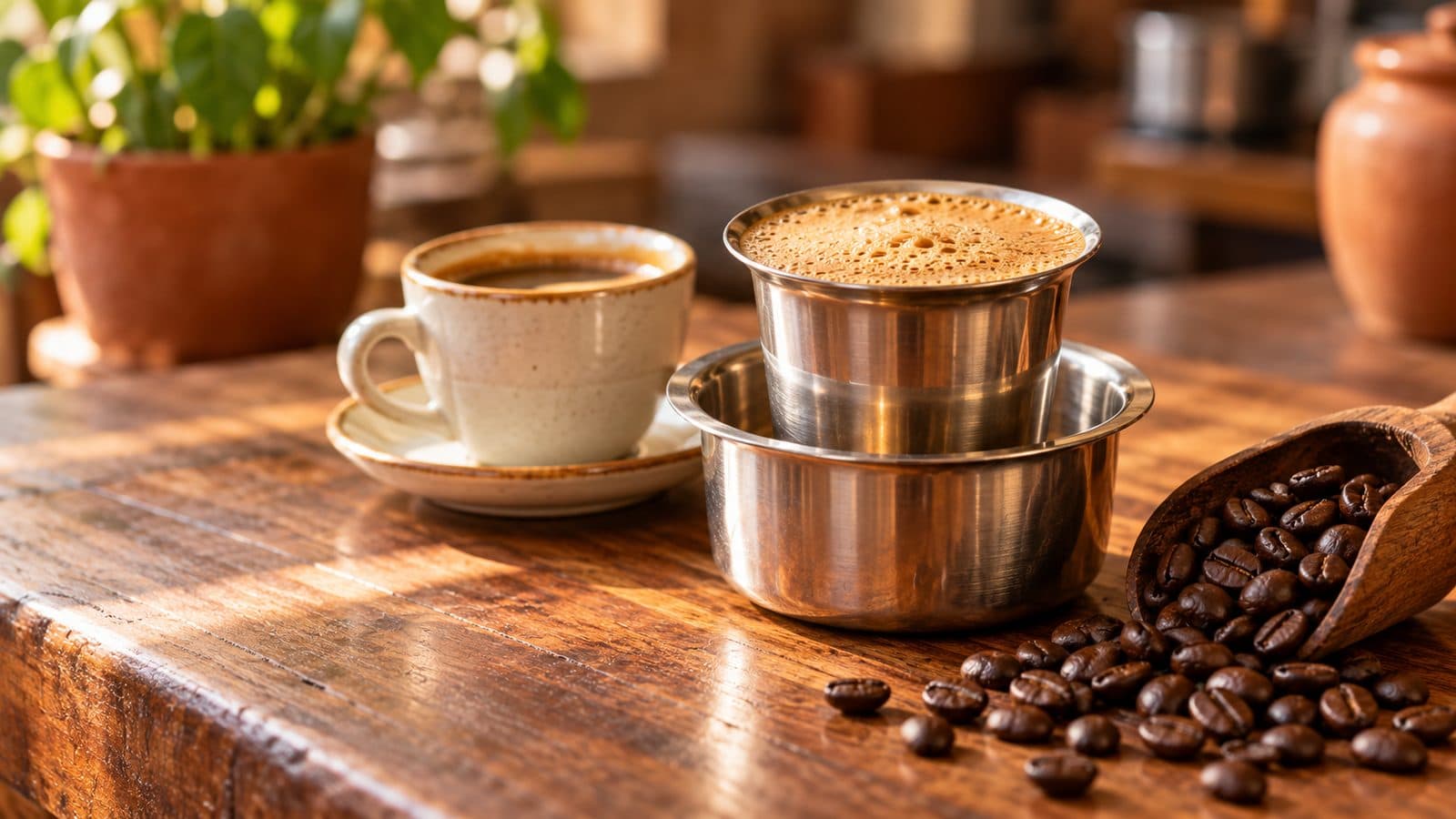
The region that drinks the most coffee is the hardest place to sell premium coffee. Part 2 of our weather vs preference series.
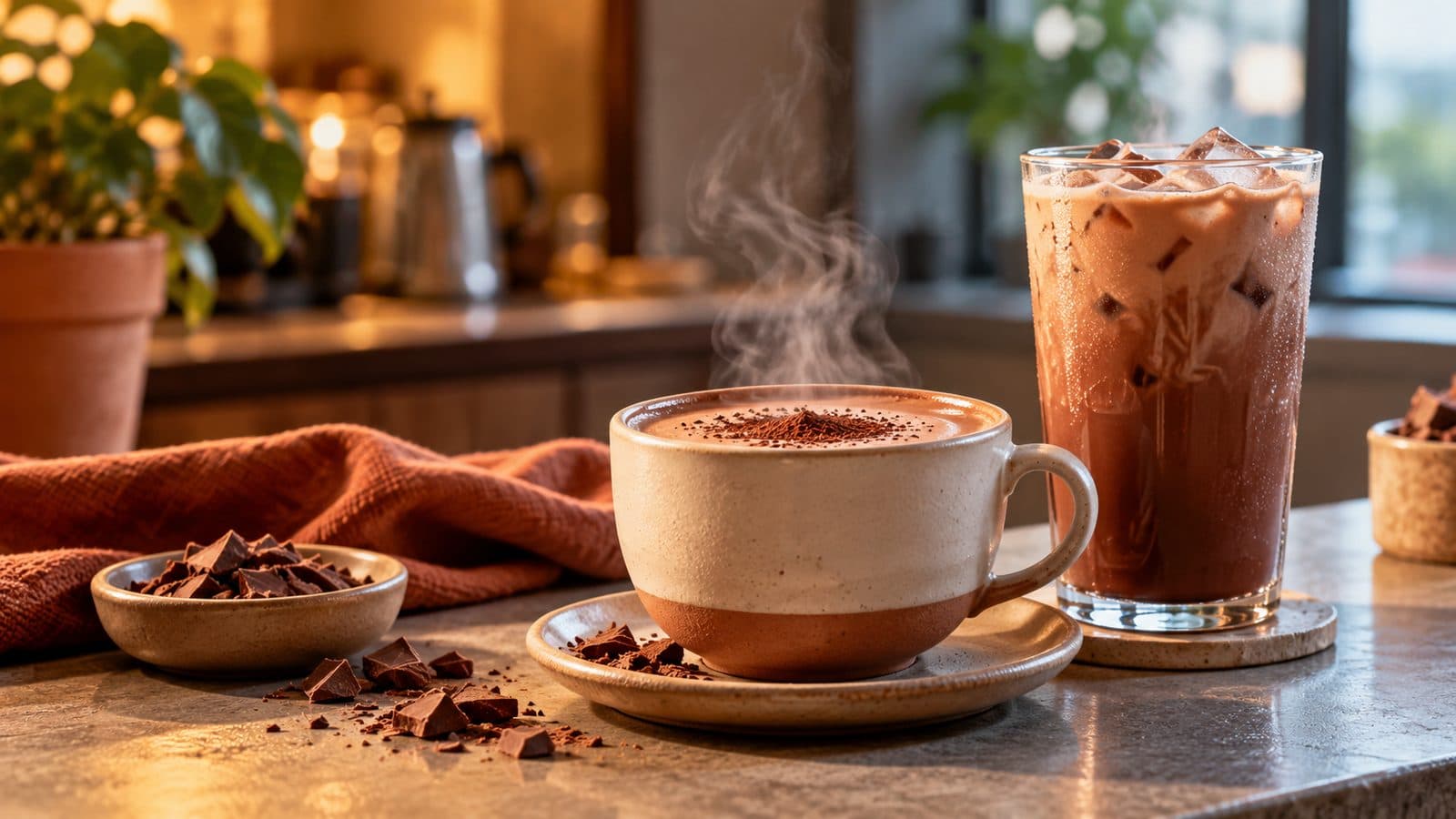
Yes, hot chocolate dips in summer. One drink swings with the weather. A menu built in pairs barely moves.
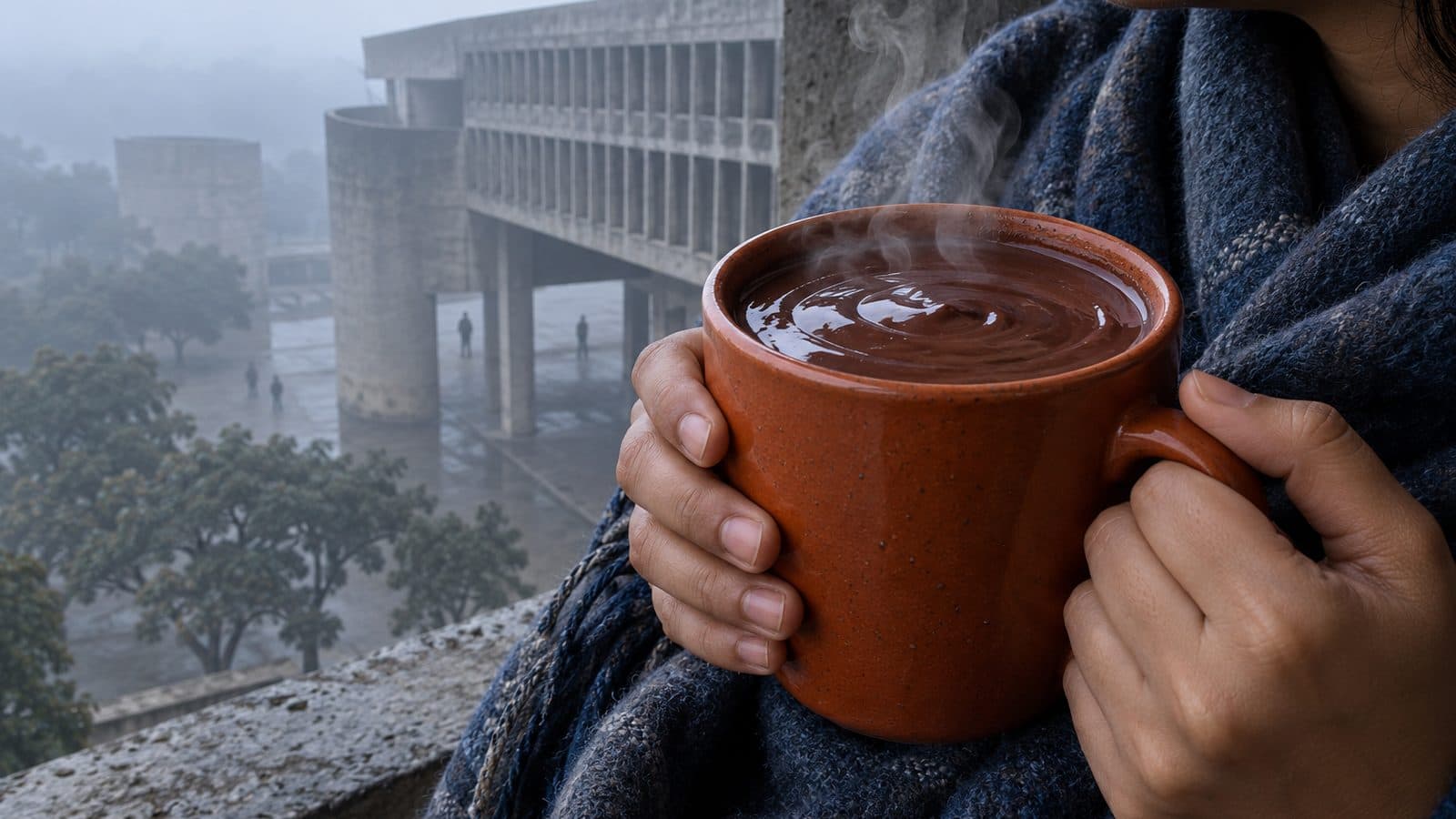
Tricity cafes now push thick hot chocolate. What that says about demand in the dairy belt, and what a North Indian cafe should do this winter.