COFFEE
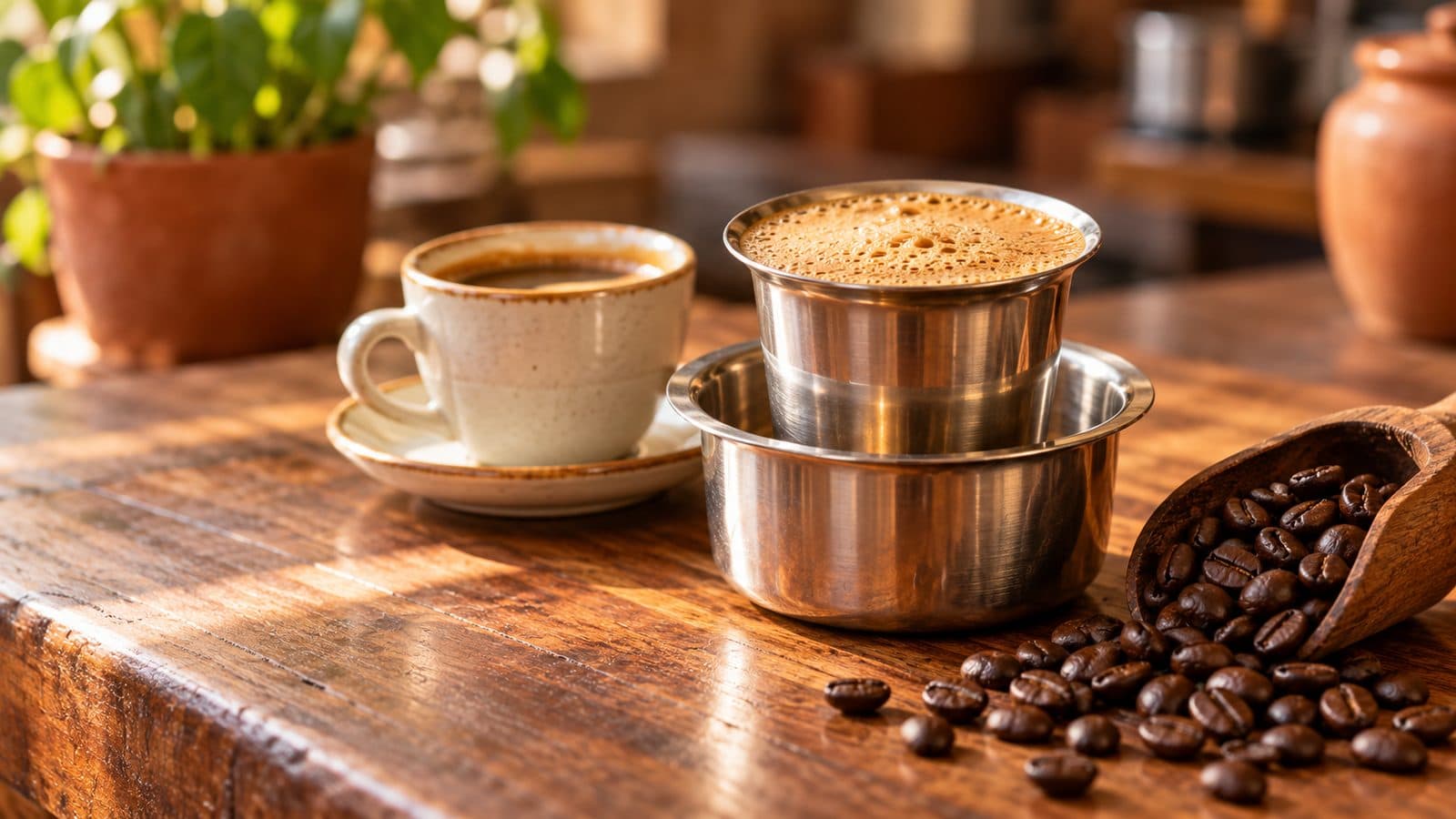
Apply the same rule to coffee beans and you get the opposite answer.
Hot chocolate is a carrier. It sells where its base, milk, is scarce.
Specialty coffee is a replacement. It has to push out something people already drink. And the thing it must push out is strongest exactly where coffee is oldest.
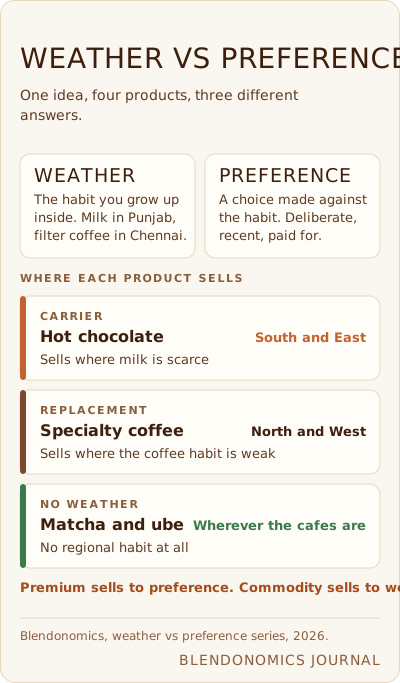
The South drinks about three quarters of India's coffee. The Coffee Board's own survey put it at 78 percent of national volume.
Yet India's best-known specialty roaster grew up in the North. Blue Tokai was founded in 2013 and is based in Gurugram, in Delhi NCR. In 2025 it raised money partly to expand its roasting in Bengaluru, more than a decade after it started.
The heaviest coffee-drinking region was not where specialty coffee found its first customers.
The same Coffee Board survey found filter coffee ahead of instant in the South, and instant ahead everywhere else. Today, industry estimates put instant at about 60 to 65 percent of India's coffee.
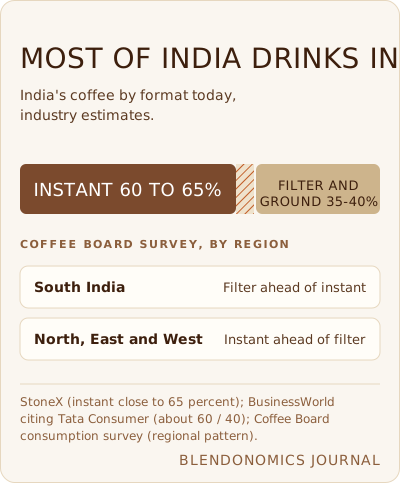
That tells you what specialty coffee is up against in each region. In the South, it competes with a filter coffee habit that is decades old, cheap and good. In the North and West, it mostly competes with instant, which is a much easier comparison to win.
Picture a 500 g bag of estate coffee at Rs 900.
A Chennai household has bought filter coffee powder for decades. On the shelf today, 500 g of chicory filter coffee costs about Rs 200 to 535. Against that memory, Rs 900 looks expensive.
A Gurugram household that started drinking coffee recently learned it in cafes, where a cappuccino costs Rs 260 to 350 at the big chains. Against that memory, Rs 900 for a bag that makes 25 or more cups looks cheap.
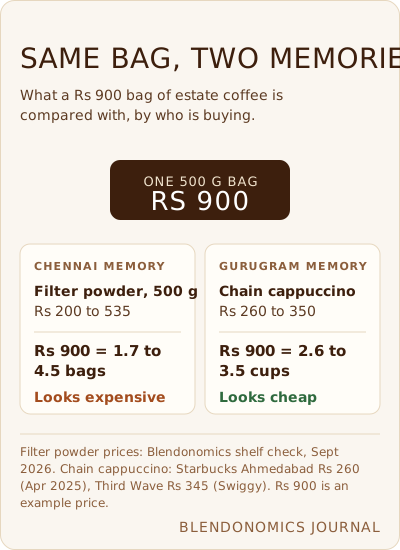
Same bag. Two anchors, far apart.
The product does not set its price. The customer's memory does.
Cafe-taught customers do not always buy beans. Grinding at home is extra kit and extra effort.
The roasters know it. Blue Tokai started with beans and now also sells drip bags, cold brew and instant formats. The North and West may be the better premium market without being the better whole-bean market.
In the North and West, your customers learned coffee from cafes. They will pay for origin and a story. Put a single origin on the menu with one line on where it comes from. At the counter, sell ground coffee and drip bags, not only whole beans.
In the South, you are competing with decades of filter coffee at home. Do not fight it on price. Serve what home filter coffee cannot: espresso drinks, cold coffee, a single origin as a weekend treat. Keep your house filter honest and fairly priced.
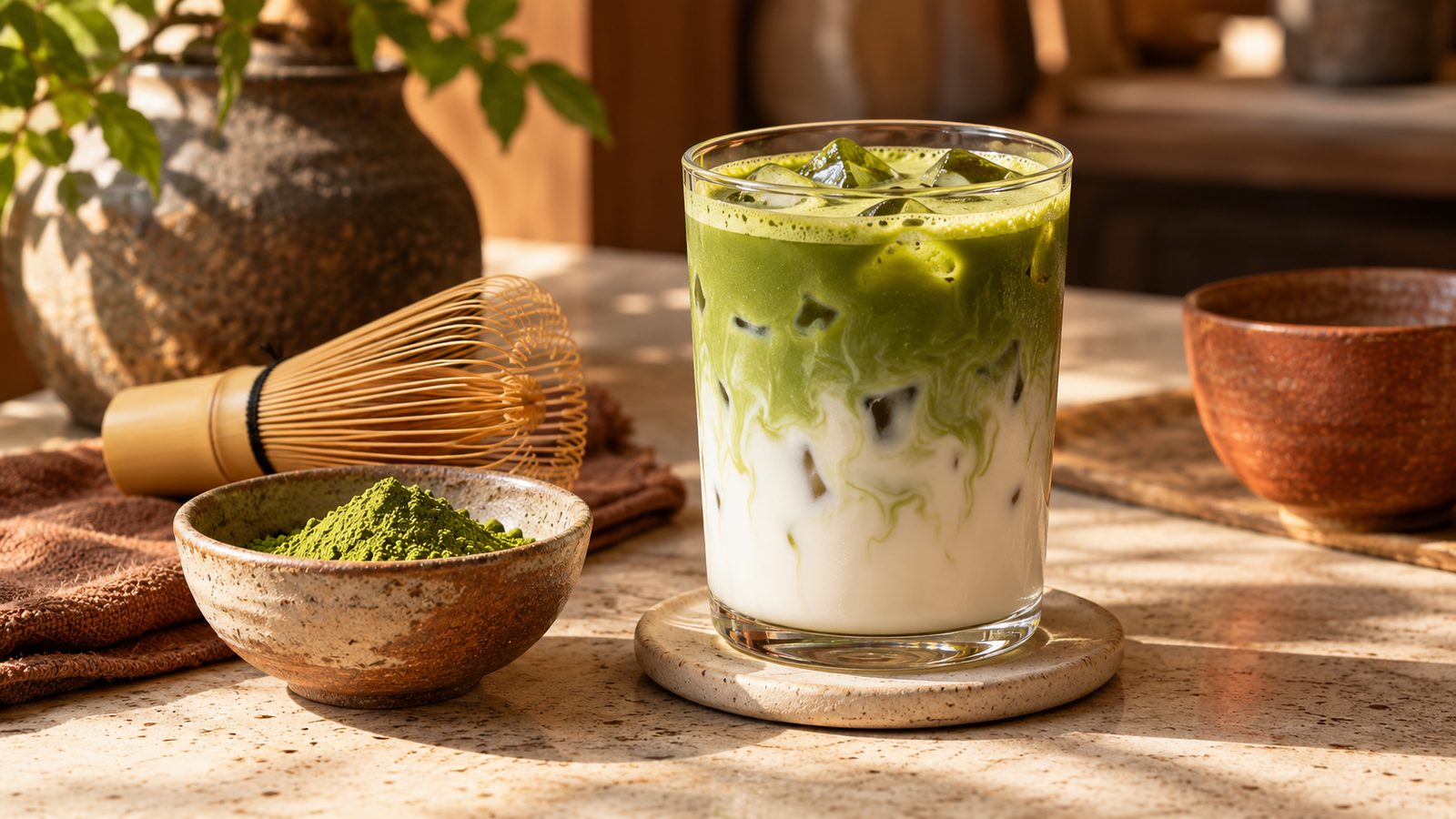 Next in the seriesMatcha Has No History in India. That Is Its Edge and Its Risk.6 min read →
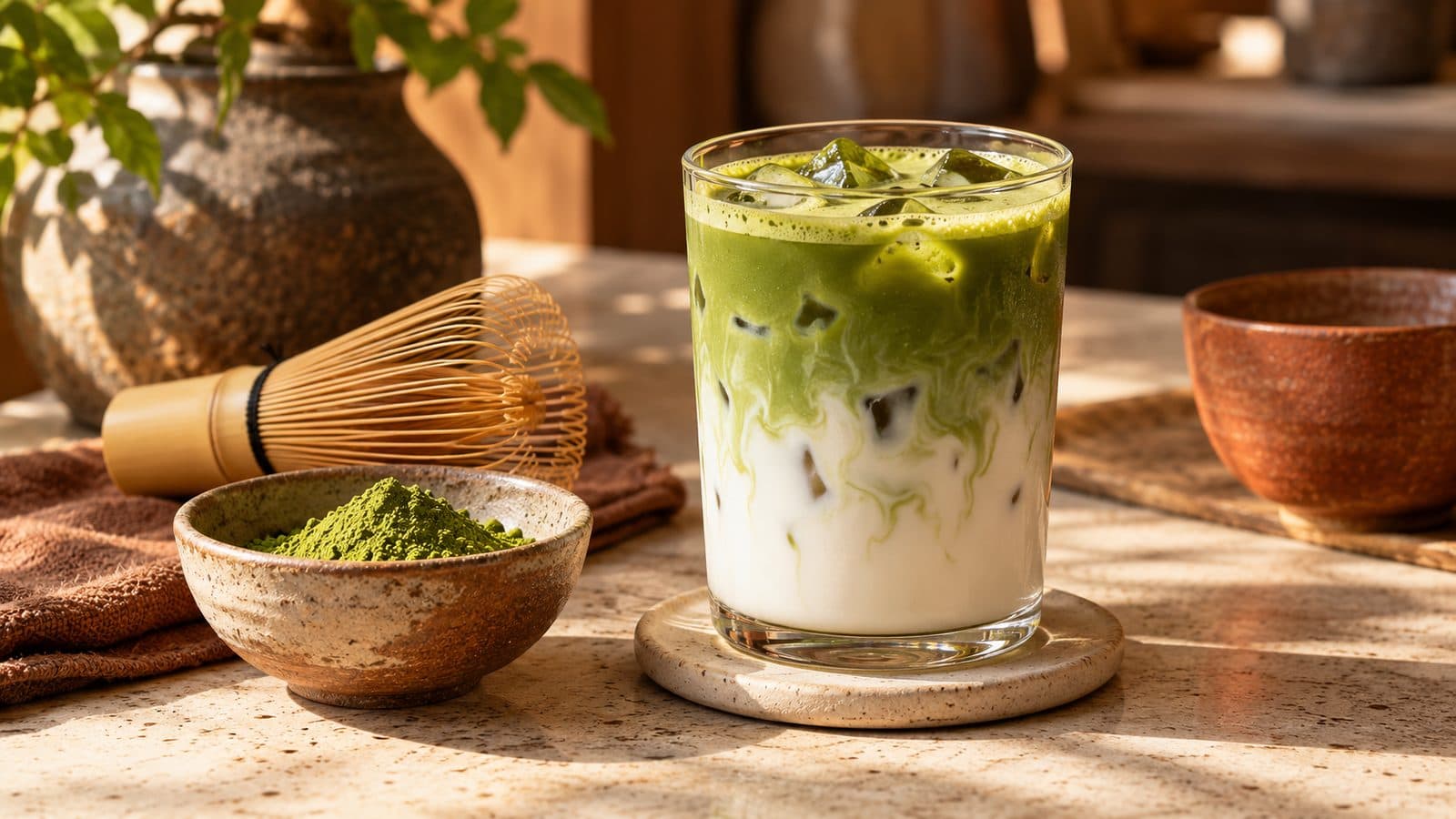
No childhood habit, no price anchor, no regional heartland. What that means for a cafe putting matcha on the menu. Part 3 of our weather vs preference series.
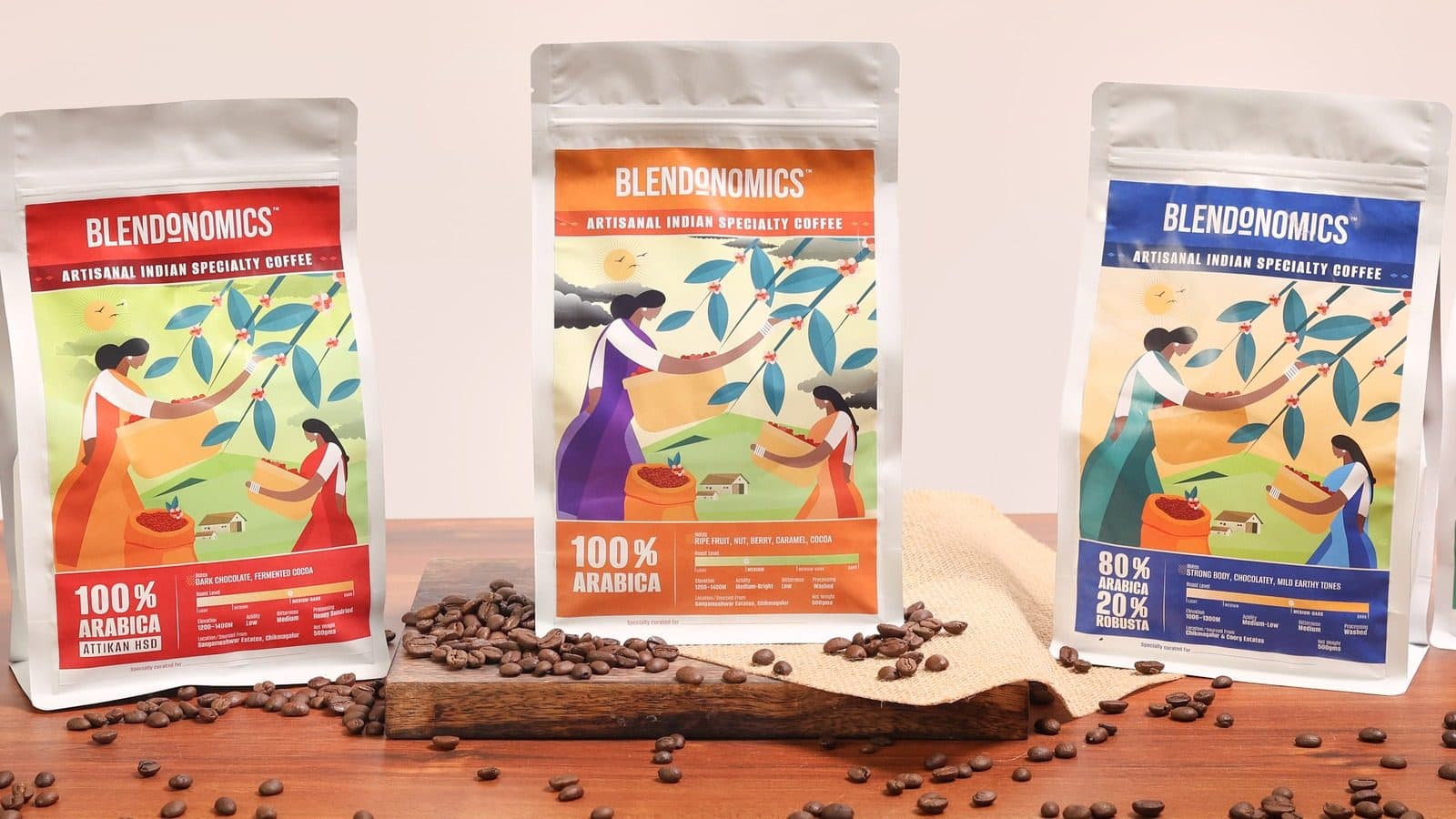
One house blend for milk drinks, one rotating single origin for black coffee. Why two coffees beat a wall of eight.
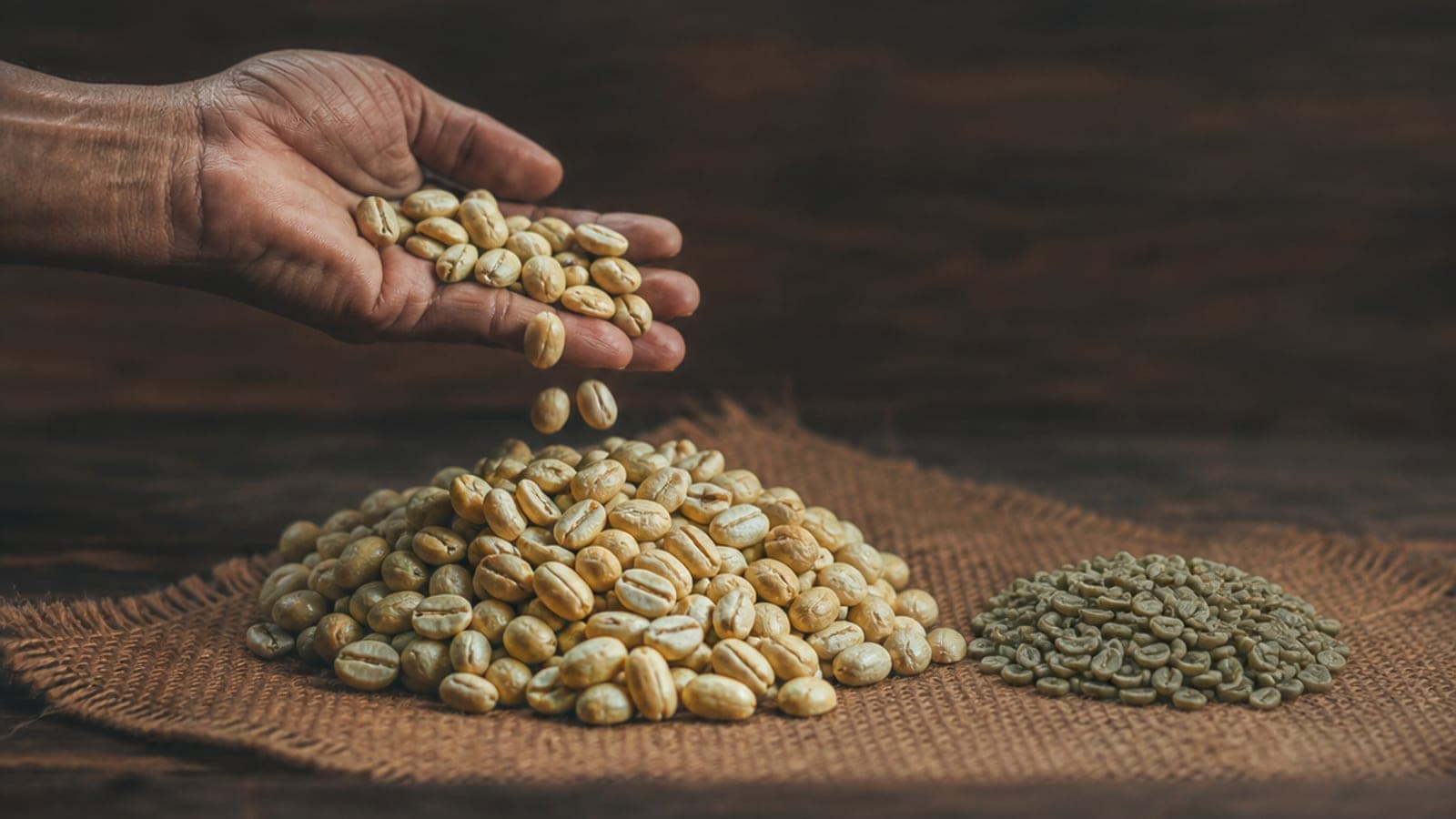
The process is older than modern coffee standards. Operators who understand it are building menus most competitors have not caught up with.