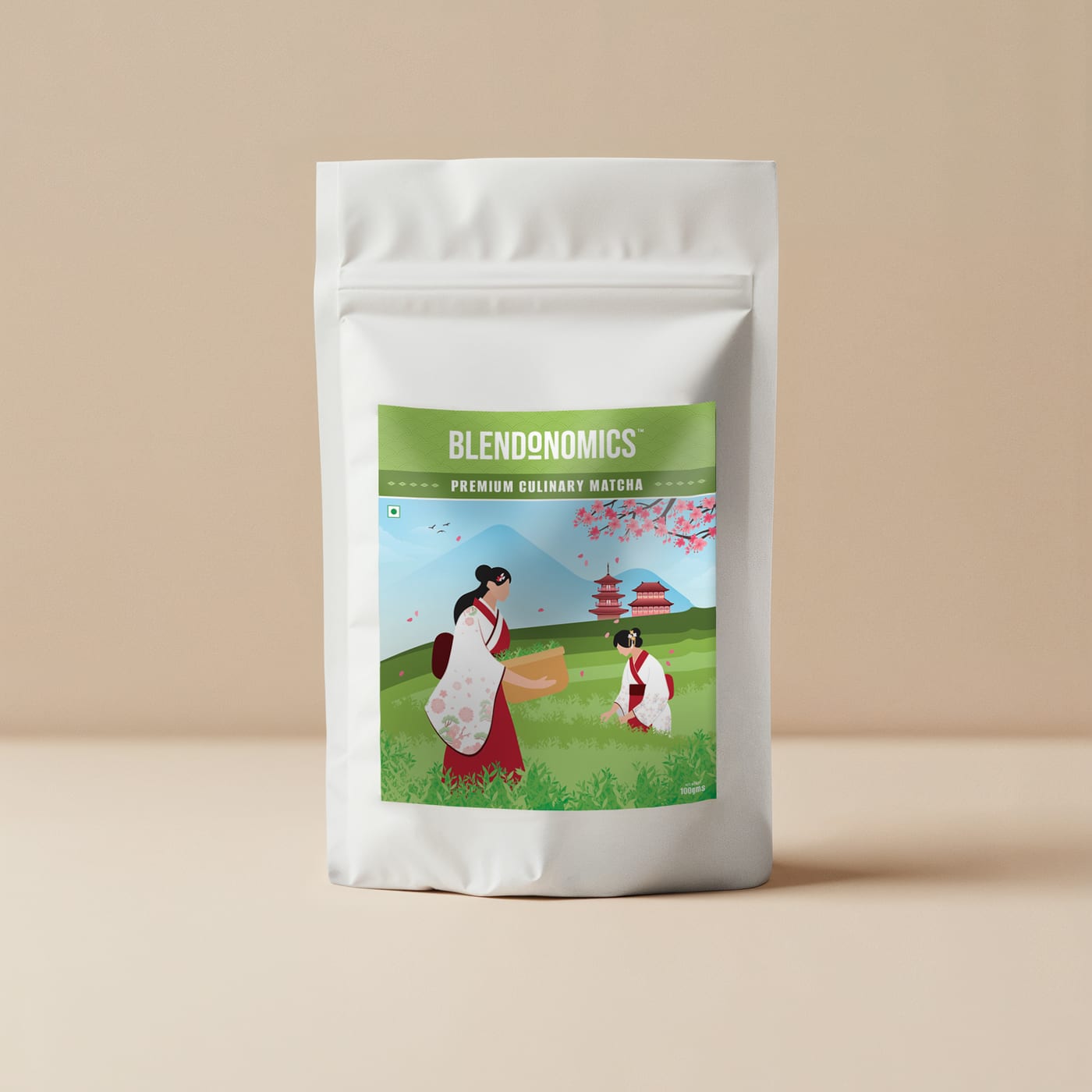
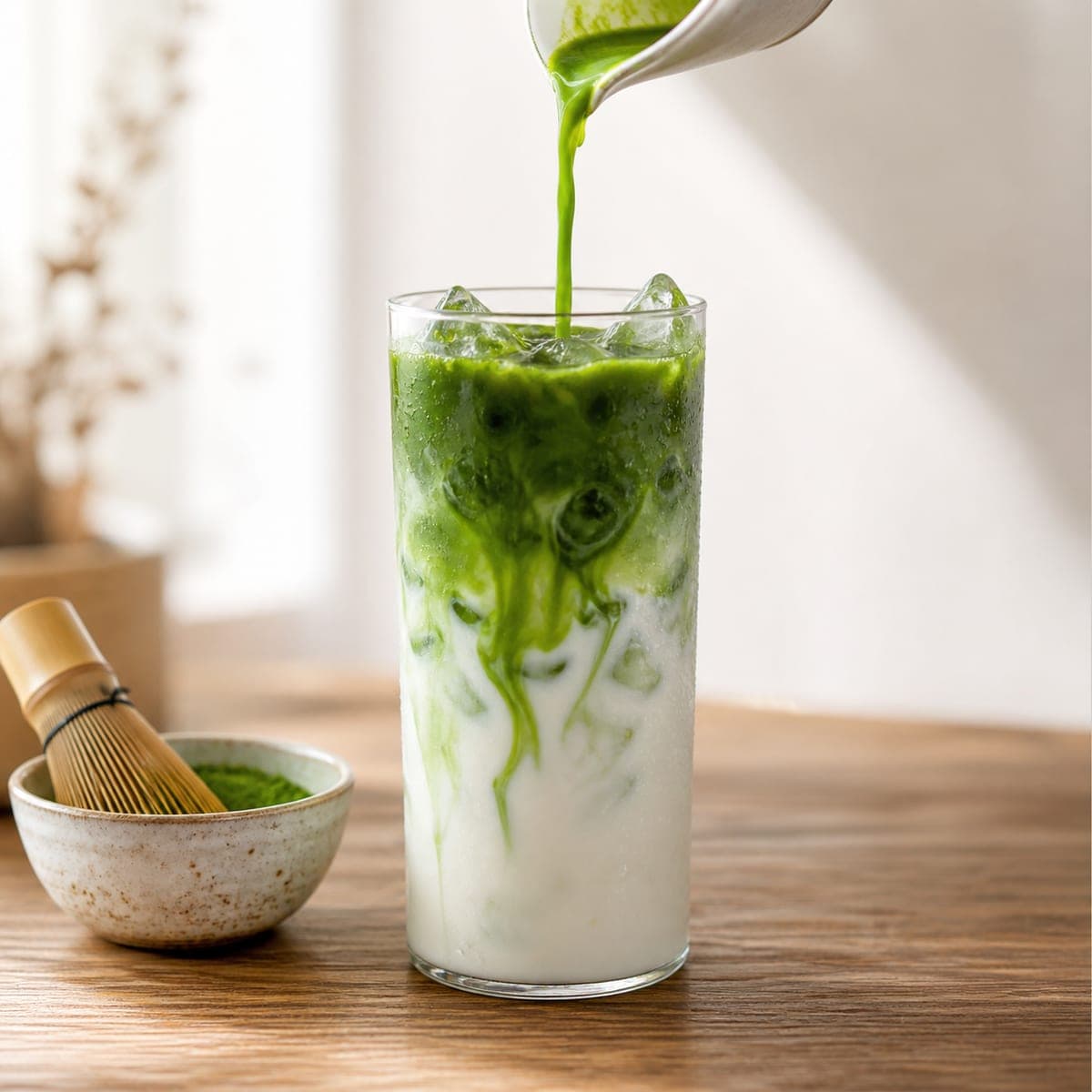
MATCHA
COLD
Hot chocolate has to beat free milk in Punjab. Coffee beans have to beat decades of filter coffee in Chennai.
Matcha has to beat nothing.
It has no weather in India. No childhood habit. No home recipe. No regional heartland. That changes three things for a cafe.
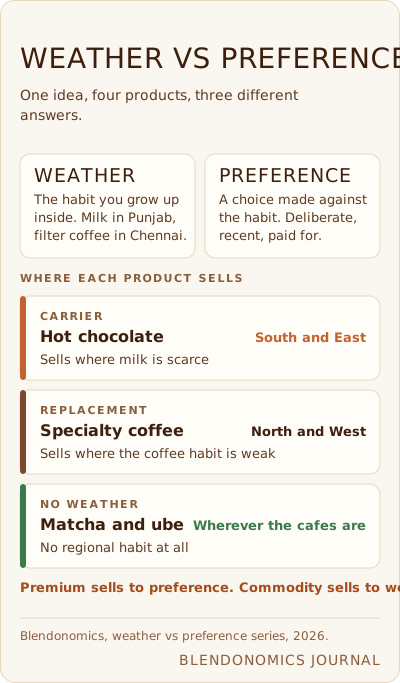
Hot chocolate follows the milk line. Coffee follows the filter coffee line. Matcha follows neither. It spreads with cafes and social feeds, so it shows up first wherever cafes are dense, which in India means the big metros.
Chai costs Rs 10 to 20 on the street. An iced matcha latte sells for Rs 360 to 400 in the cafes we supply, with about Rs 50 of matcha in the cup.
Nobody's memory says matcha should be cheap, because nobody has a memory of matcha. The first cafes to put it on a menu set the price for everyone after them.
This is the risk. Filter coffee in Chennai cannot go to zero, because habit holds it up. Matcha has nothing holding it up. It rides the trend, and trends fall too.
No weather means no resistance. It also means no floor.
For hot chocolate, the habit already exists at home. For matcha, it does not. Most people taste matcha for the first time in a cafe.
So the cafe is not one sales channel among many. It is where the demand is created. If you are early, you are not just selling matcha. You are teaching your customers what it should taste like and what it should cost.
Matcha is ground from tencha, a shade-grown Japanese tea leaf. It is slow to grow, slow to process and slow to scale.
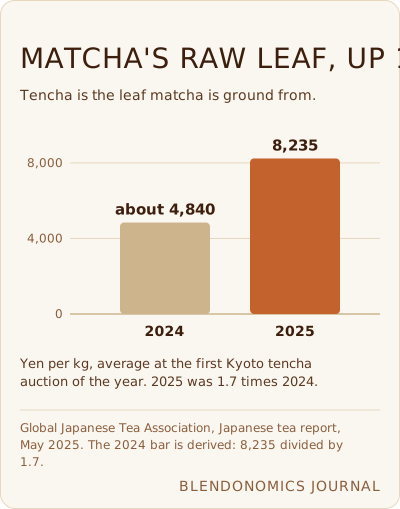
At the first Kyoto tencha auction of 2025, the average price was 8,235 yen per kilogram, 1.7 times the year before. Heat, an ageing farm workforce and a slow production process all limit how fast supply can grow.
For a cafe, the practical point is grade. A latte does not need ceremonial grade. A grade made for milk drinks gives the flavour that survives milk, at a price a latte can carry.
Our test for any trend: can it become a daily habit at an everyday price? Three things decide it.
1. Is there a functional reason to come back?
2. Do people use it daily?
3. Can people make it at home?
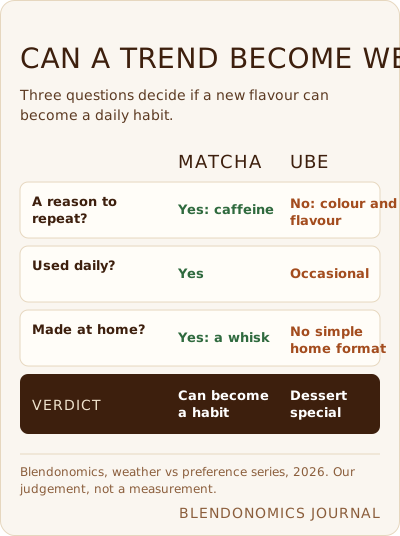
Matcha passes all three. Caffeine gives a reason to come back. It is drunk daily by people who like it. It can be made at home with a whisk. That is the path instant coffee walked in North India.
Price it as a premium drink. There is no anchor holding you down, so do not start cheap.
Use a latte grade for milk drinks, and say where it comes from on the menu. Your customers cannot judge matcha quality yet. A stated origin does that work for them.
Do not serve it the way specialty purists do, plain and unsweetened, to people tasting it for the first time. A supplier we work with in the Philippines told us matcha struggled there for a while for exactly that reason: it was served plain, grassy and unsweetened. Meet new drinkers with milk and a little sweetness. Let the purists find the plain version later.
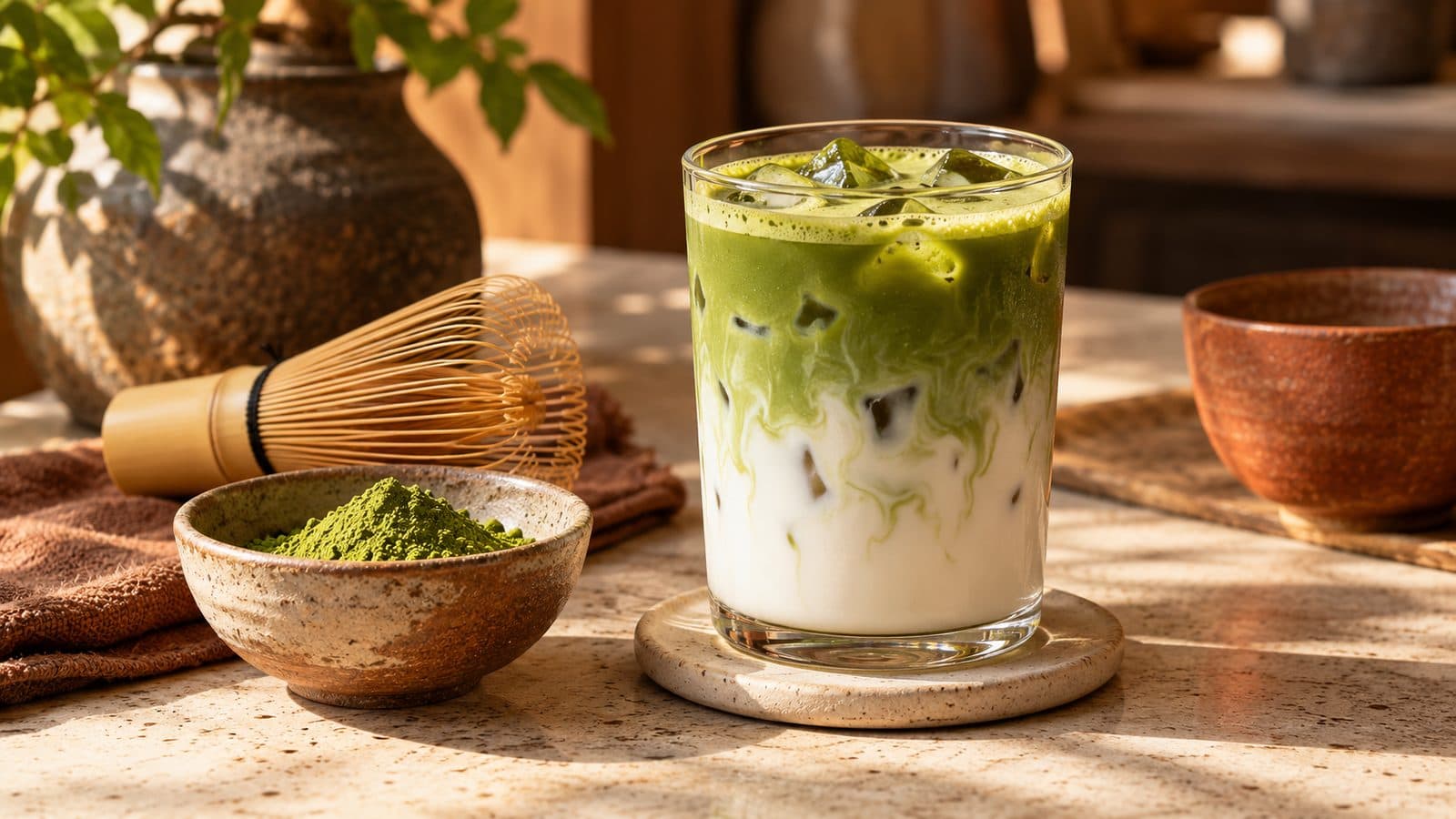
Lead with the iced latte. It is a summer drink, which makes matcha the counter-season to hot chocolate: the same customer, in the opposite half of the year.
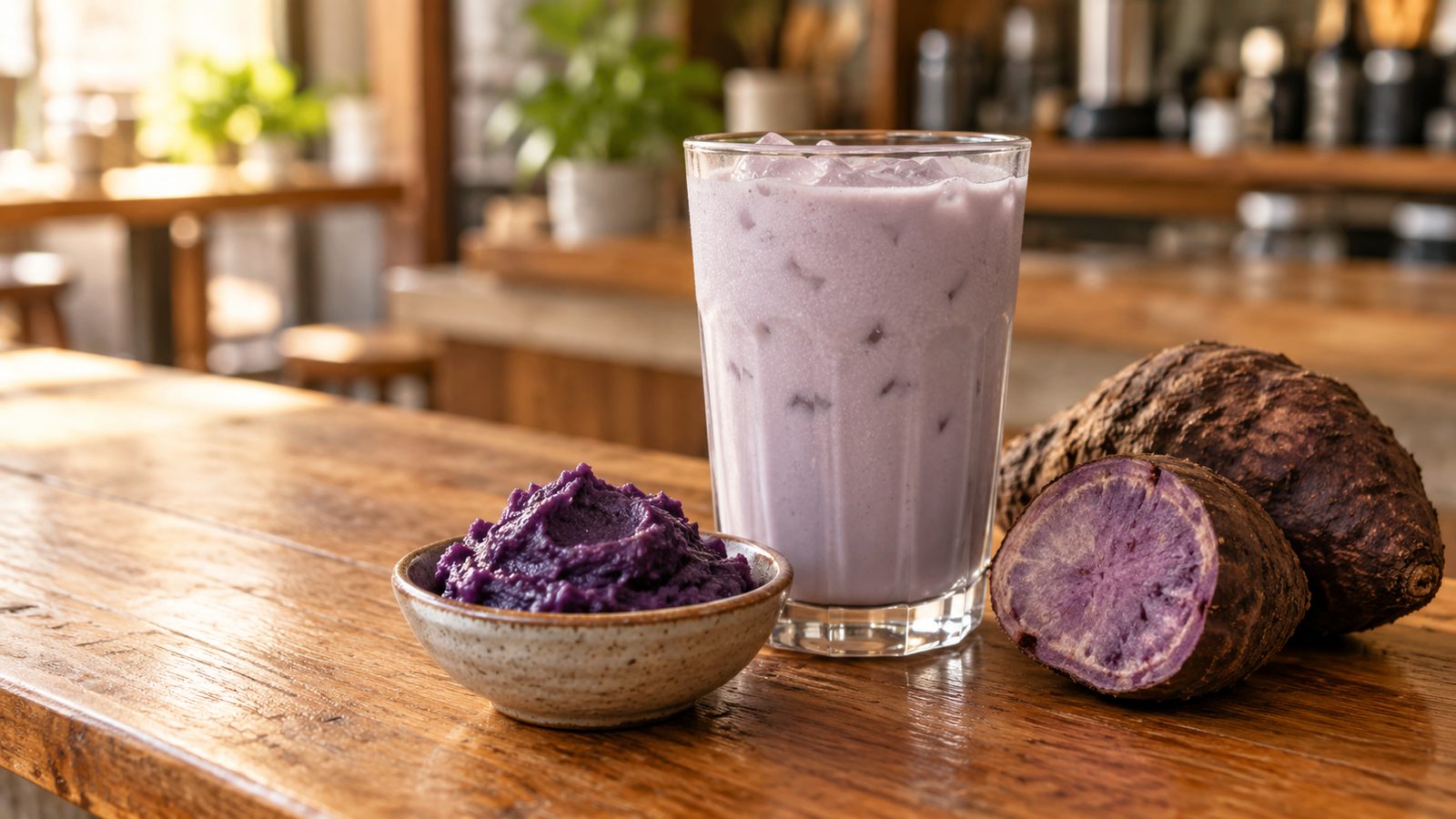 Next in the seriesUbe Is Not a Colour. Most Cafes Are Selling It as One.6 min read →
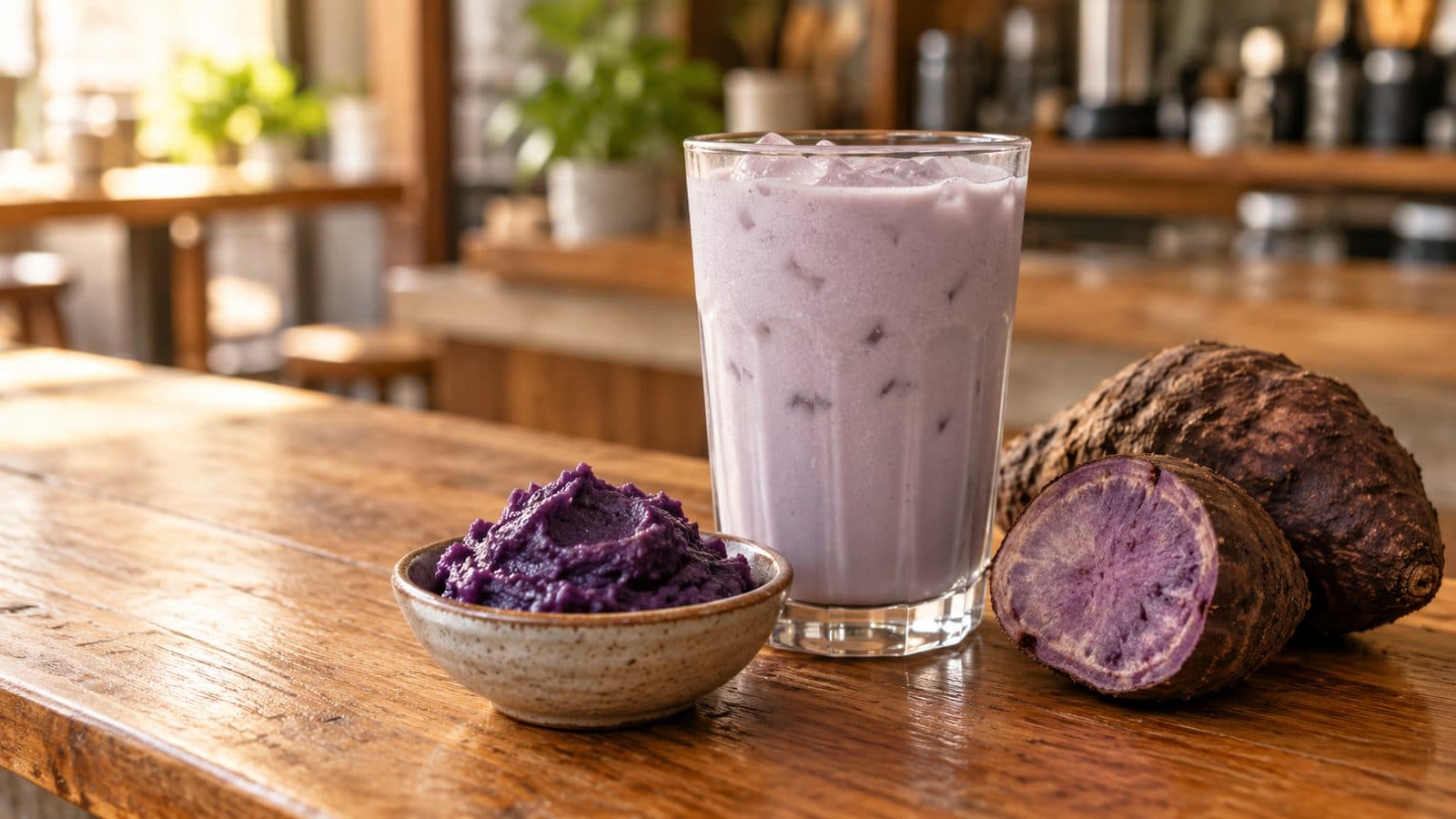
Real ube tastes of almost nothing off a spoon and comes alive in milk and fat. How to test it, and how to put it on an Indian menu. Part 4 of our weather vs preference series.
Yes, hot chocolate dips in summer. One drink swings with the weather. A menu built in pairs barely moves.
Habit decides who buys a drink in India. Weather decides when. The milk line, the model behind it and what 59 cafe accounts say, in one place.