HC | CLASSICS
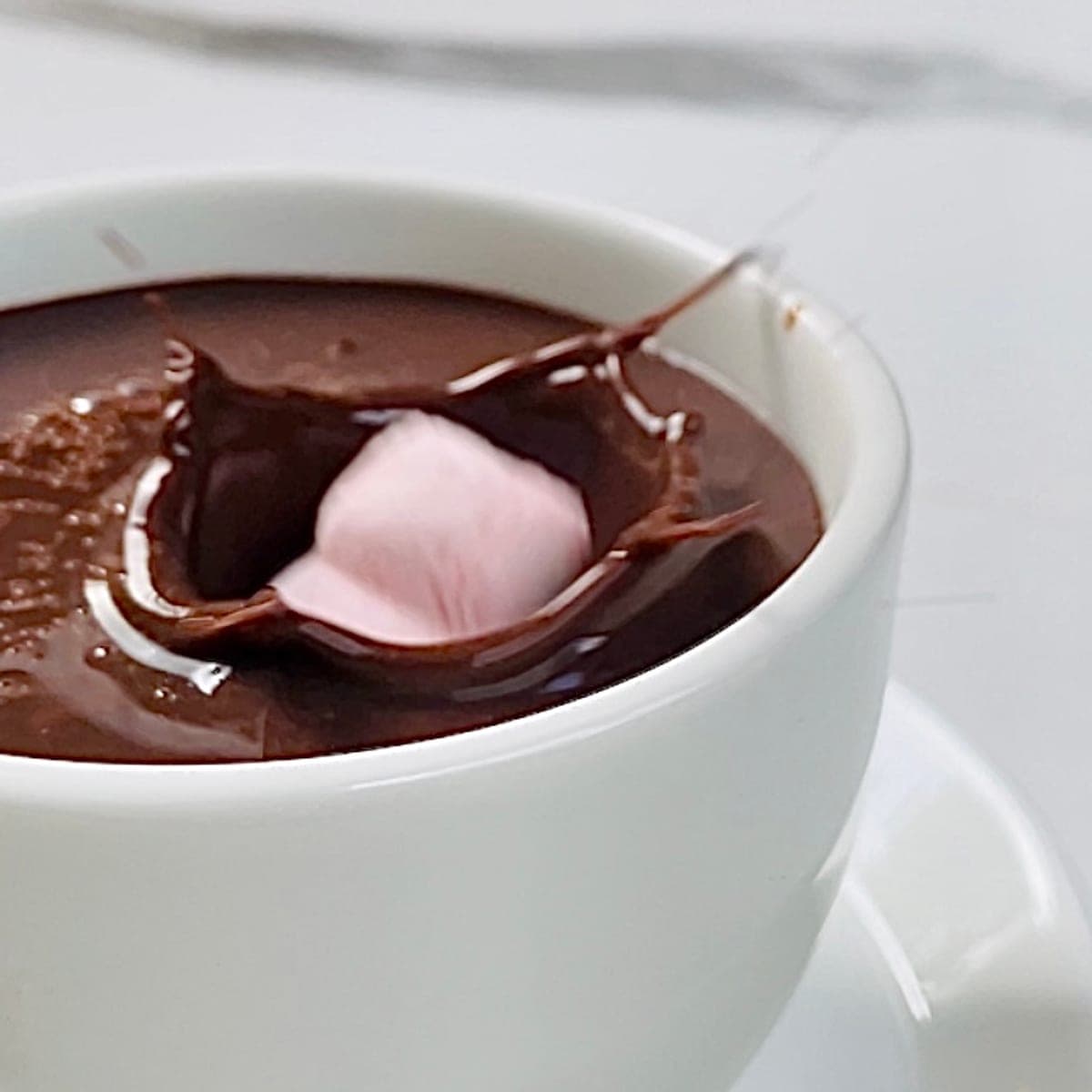
Hot chocolate is the drink people order when they are not thinking. That makes it the most honest item on your menu. Nobody performs taste with a hot chocolate. They just want it to be good.
So the quality of your hot chocolate is a direct signal of how much you care.
Watch what regulars order on a cold, tired evening. It is rarely the seasonal special. It is often the hot chocolate.
If yours is a thin, over-sweet powder, that is the taste customers attach to your cafe. It is the one they had when their guard was down.
The drink ordered without reading the menu defines your brand.
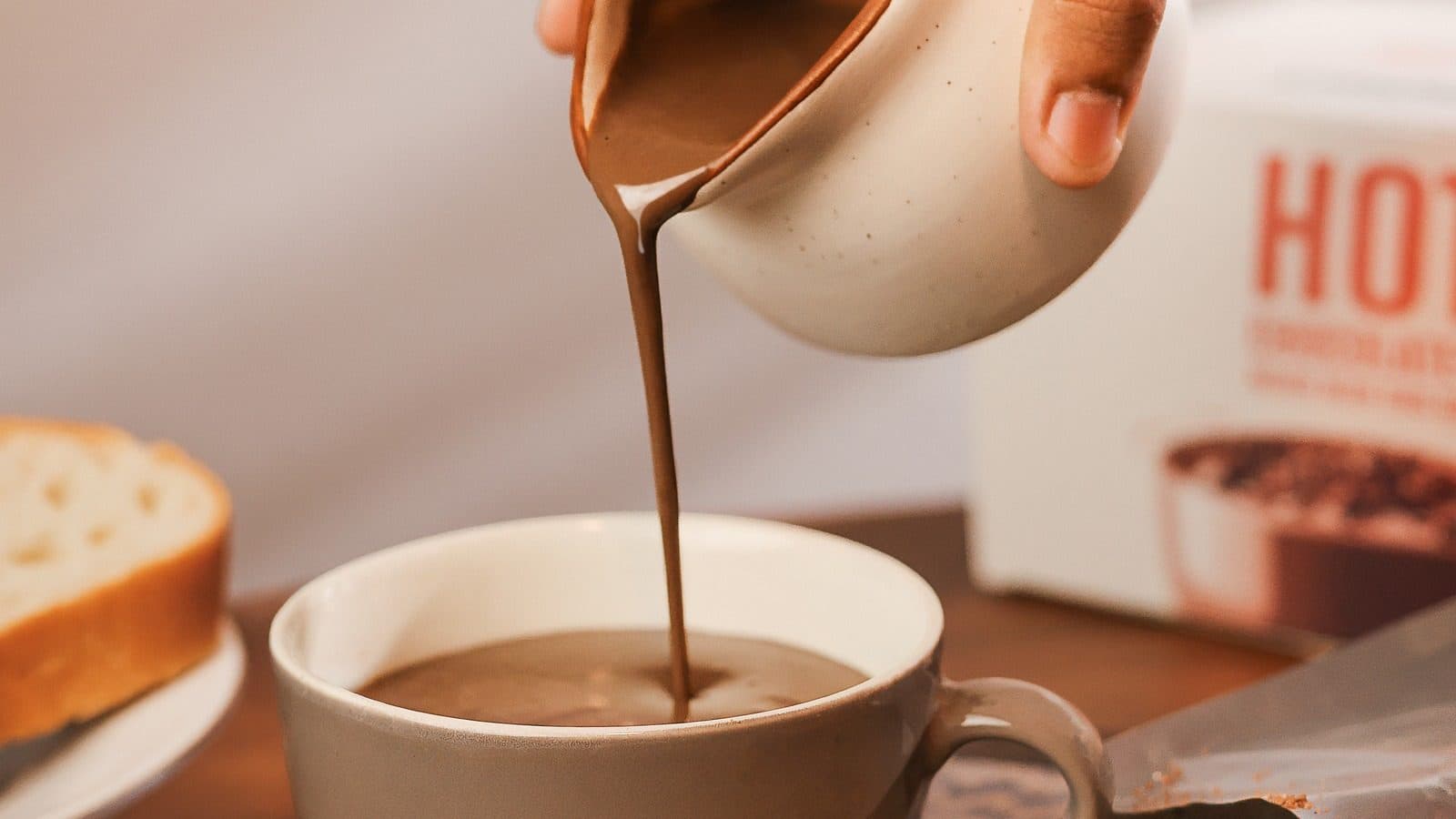
A thin, milky hot chocolate reads as casual and cheap. A dense, spoon-coating one reads as considered and premium. Neither is wrong. But choose on purpose, because the texture does brand work whether you plan it or not.
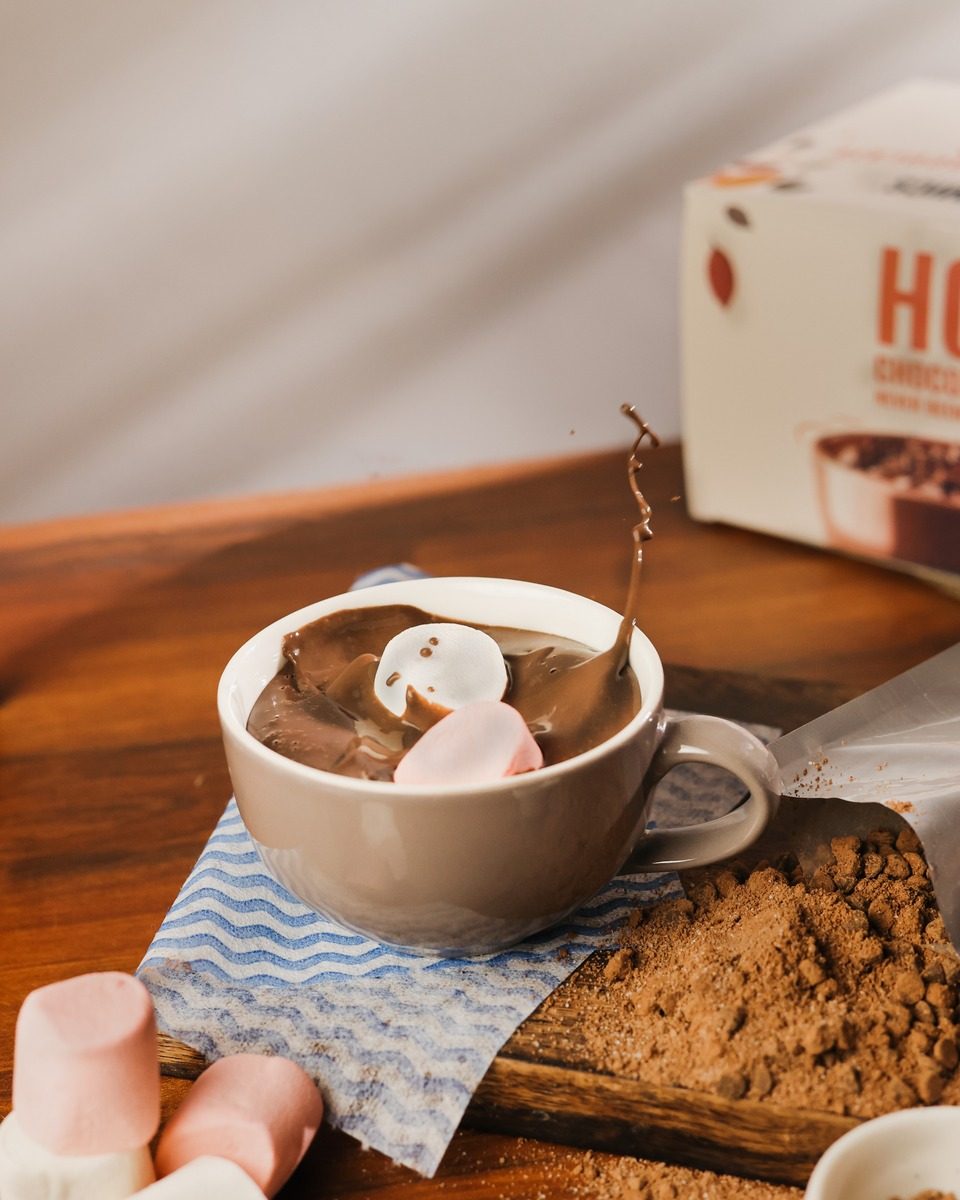
Match the cup to the rest of your menu:
1. A quick-service counter with Rs 100 drinks: a lighter cup, made fast, in a smaller size.
2. A sit-down cafe with Rs 200 cappuccinos: a thick cup, served in a mug, with time to drink it.
3. A dessert cafe: the thickest cup you can make, and say so on the menu.
A hot chocolate drifts when nobody measures. Fix three numbers and write them where staff can see them:
1. Grams of mix per cup. With our sachet, that is one 50 g sachet per cup.
2. Millilitres of milk. Mark the jug.
3. Time on the heat. Whisk until the cup is smooth, with no flecks left.
Pre-portioned sachets make the first number automatic. Scooping from a tub lets it drift a little with every staff change.
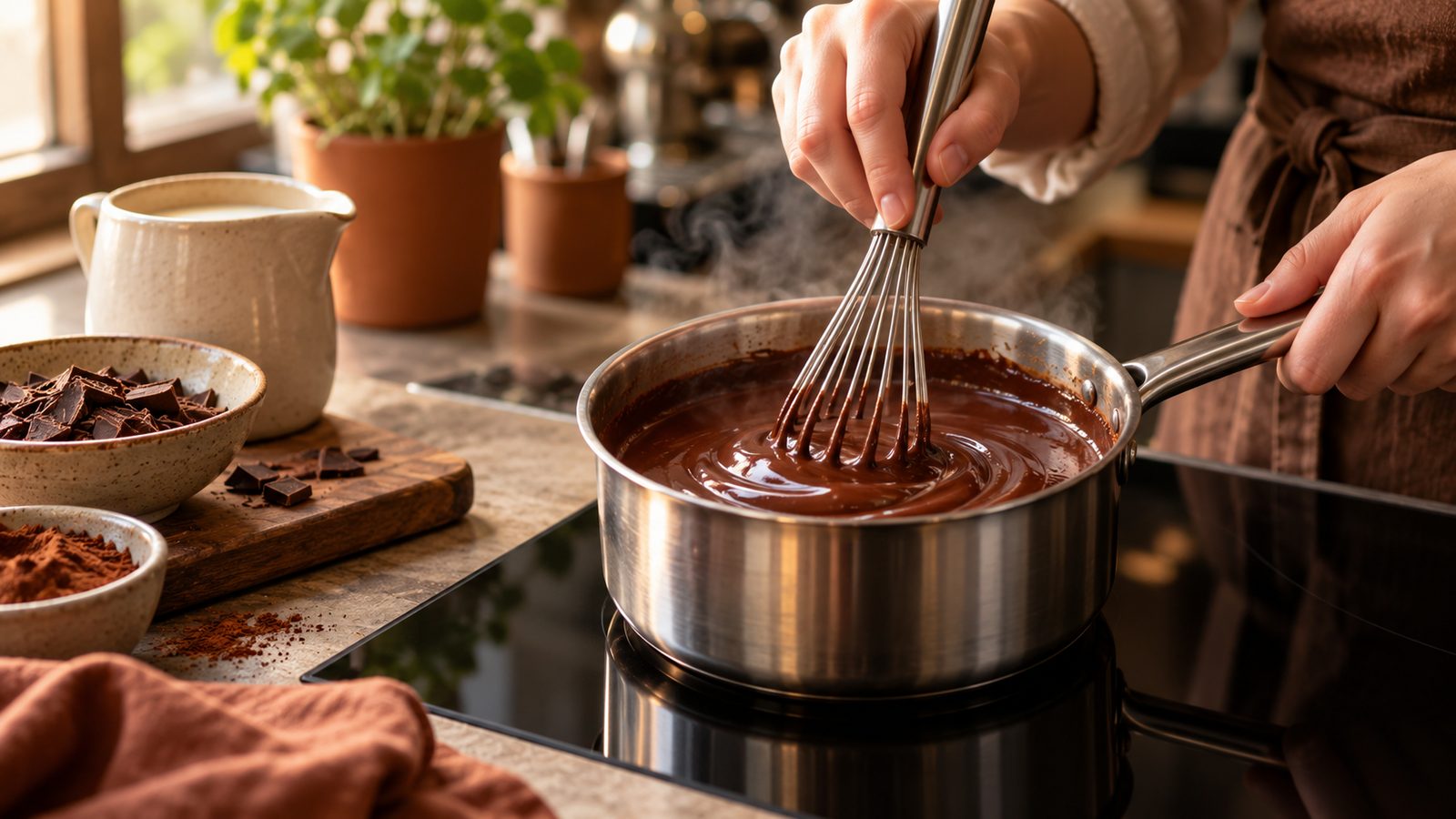 The method, step by stepHow Cafes Make Hot Chocolate, and Why Most Cups Taste Thin5 min read →
Once the base cup is right, flavours are easy. Hazelnut, orange or mint versions use the same method and the same cup. They give regulars a reason to try something new without a new process for your staff.
Keep the base on the menu as the default. Variations sell best next to a base that customers already trust.
Once a week, order your own hot chocolate from a staff member who does not know it is a test. Taste it after two minutes, not straight away. Thin cups get thinner as they cool.
Your most loyal customers order it more often than anything else you sell. Make sure the cup they get on a busy Saturday is the cup you designed.
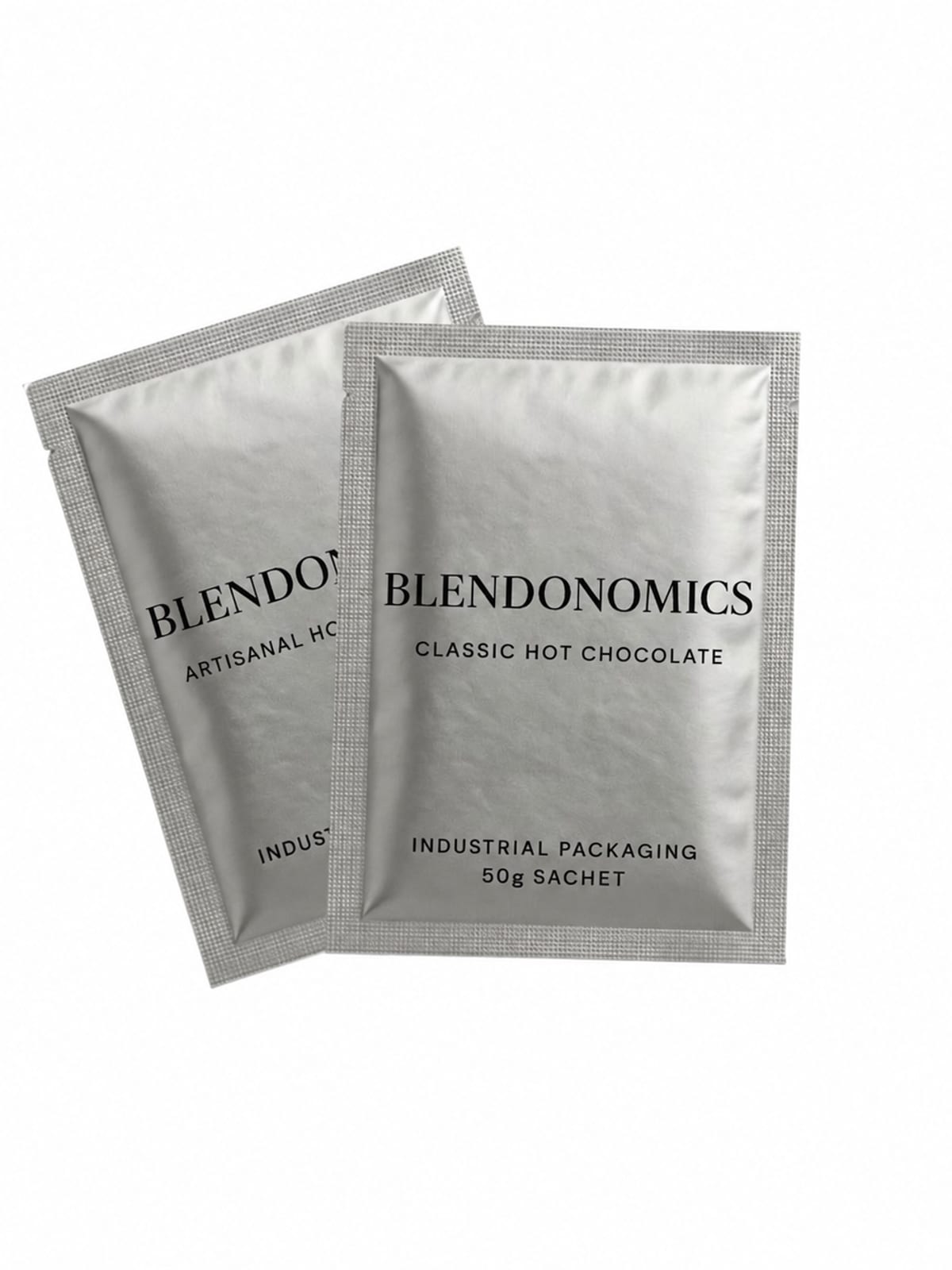 Hot chocolateClassic DarkThe Foundational Gold StandardView product →Sample kitClassic Flavours SamplerClassic Dark / Hazelnut / Irish / Orange / StrawberryView product →
Supplying a cafe? Request a sample kit →
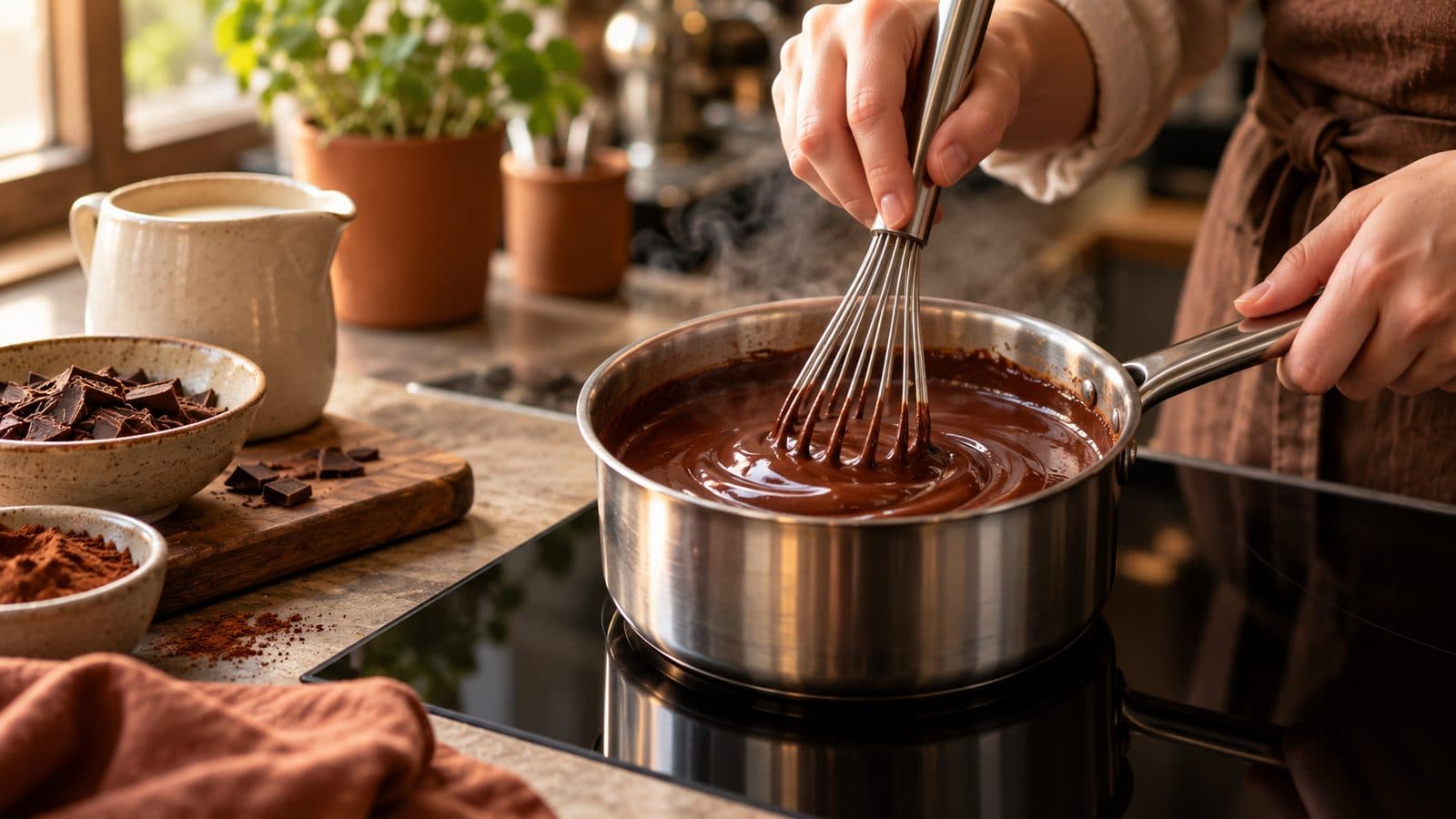
How do cafes make hot chocolate? Four methods and what each does to the cup, plus the pan method we use for a thick cup in up to 2 minutes.
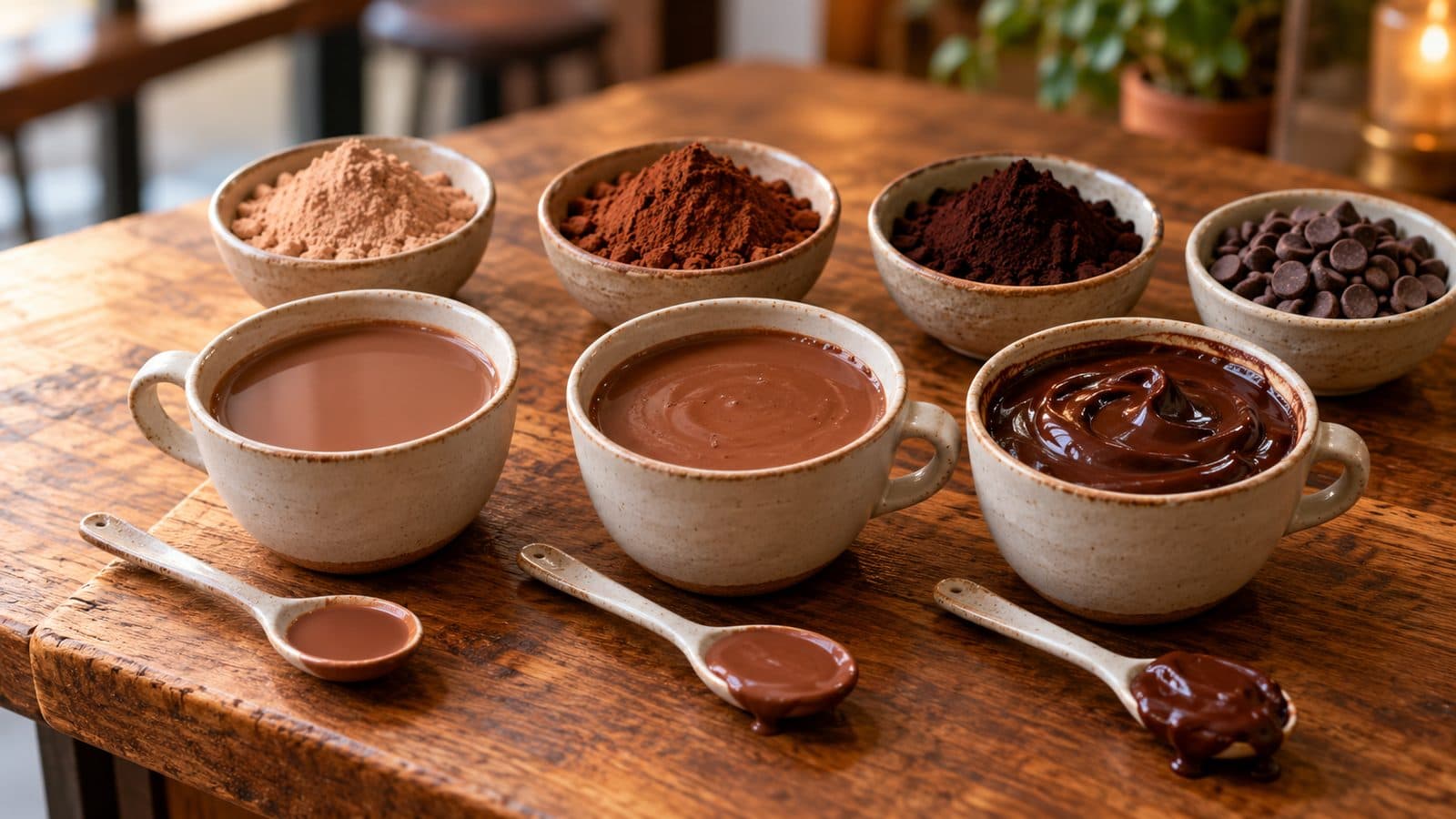
Hot chocolate premix for cafes: eight questions to ask any supplier, and whether you can use premix in a coffee machine. Cost per cup beats price per kilo.
A kiosk costs Rs 3 to 5 lakh. A small cafe costs Rs 8 to 15 lakh. Every guide stops there. Here is the line that keeps costing you after the doors open.